
Bouldering
Bouldering is a form of rock climbing done on shorter walls (and boulders of course) without ropes or harnesses. Climbers solve movement “problems” by navigating a sequence of holds to reach the top of a wall or final hold, usually no more than 10–15 feet high, with padded flooring below.
As the hobby has exploded in popularity, it’s common to see incredible clips of climbers hang from small grips, leaping dramatically between holds, and doing complicated routes with handicaps.
That’s down the road as you advance in bouldering. And it’s fun to remember they’re falling on the padded mats as much as anybody, no matter your level you’ll meet your match of a boulder route.
What Draws People to Bouldering
Many people are drawn in by the visible challenge. Each route is a puzzle that requires you to think, test, and try. You’ll quickly find that your initial ideas don’t work how you imagined, whether the hold is smaller than you think or your body just isn’t able to do what you were planning or everything in between.
Then you add the physical component, it’s a workout unlike what most of us are familiar with. You’re twisting and hoisting yourself against gravity while holding on with a grip you never attempt anywhere else.
Yet, there’s also a satisfying clarity to the process. Either you get past what’s stopping you or not. You reach the final hold, or you don’t. Progress is easy to measure.
And when you’re on the wall, it requires your full attention so everything fades away.
It’s a unique balance of physical and mental challenge with limitless improvement on both sides.
Different Body Types, Different Strengths
It’s easy to assume that certain body types have a built-in advantage in climbing. Taller climbers may seem to reach holds more easily. Shorter climbers may appear to have to work harder for the same move.
In reality, bouldering rewards different strengths in different ways.
Taller climbers sometimes benefit from reach, but they may need to control longer limbs on compact routes. Shorter climbers sometimes benefit on their flexibility but they may need to become stronger to get to further holds.
So much goes into bouldering: flexibility, balance, and coordination can matter just as much as reach. A route that feels straightforward for one person can feel awkward for another — and vice versa.
This range also applies to the mentality coming into bouldering. One person may be more willing to take risks and speeds through routes that require a leap of faith. Another who likes to plan may see a more unique path that others missed.
Climbing gyms set a wide variety of problems specifically because no single body type solves everything the same way. Some routes favor dynamic movement. Others reward static control. Some demand reach. Others reward precision.
Over time, you begin to recognize your own strengths. Instead of comparing yourself to the person next to you, the focus shifts to solving the problem in front of you with the body you have.
That’s part of what makes bouldering sustainable. There isn’t one ideal build. There are just different approaches to the same wall.
Your First Days on the Bouldering Wall
Starting bouldering can feel humbling.
Indoor bouldering is the most common way to begin and is the most accessible. Most cities have at least one bouldering gym these days and they offer day passes so you can try it out.
When you arrive, the wall may look manageable from the ground. Once you’re on it, holds can feel smaller than expected. Your forearms may fatigue quickly (almost definitely, the burn is more than memorable). Movements that looked smooth from below might feel awkward mid-climb.
This is all normal.
Early sessions often focus on learning how to:
Trust your feet
Shift your weight efficiently
Keep your arms straighter than you think
Step deliberately instead of rushing
Learning to fall on the cushy mat
Beginners often rely too much on pulling strength. Brute force attempting to pull yourself up or hanging onto holds as long as you can, trying to stretch to the next hold. For some routes, and if you’re fresh into your session, this may work. Though, over time, you will learn that foot placement and body positioning matter more than brute force.
Learning the Foundations
After you’ve attempted to do a few routes and tried to figure it out, you’ll start to feel the need to learn the fundamentals. Before advanced dynamic moves or difficult overhangs or even tricks, climbers learn:
• How to use their legs effectively
• How to keep hips close to the wall
• How to read a route from the ground
• How to fall safely
These basics reduce strain and prevent injury. They also make climbing feel more controlled instead of a strength task.
A great way to learn is to watch others climb between your attempts. Even better if you see a more experienced climber do a route you’re doing. You’ll likely see them doing something you didn’t even consider. Though, it may be beyond your current skill or strength but when you go for the route again, try their way.
Videos online also teach tips fundamentals and skills that work for specific types of holds.
Ultimately, you have to try and see what works for you.
Tools and Setup
Bouldering requires minimal equipment, especially if you’re indoors.
At a gym, you typically need:
• Climbing shoes
• Chalk (optional for beginners)
Shoes are often available to rent at first, making it easy to try the hobby without committing to gear.
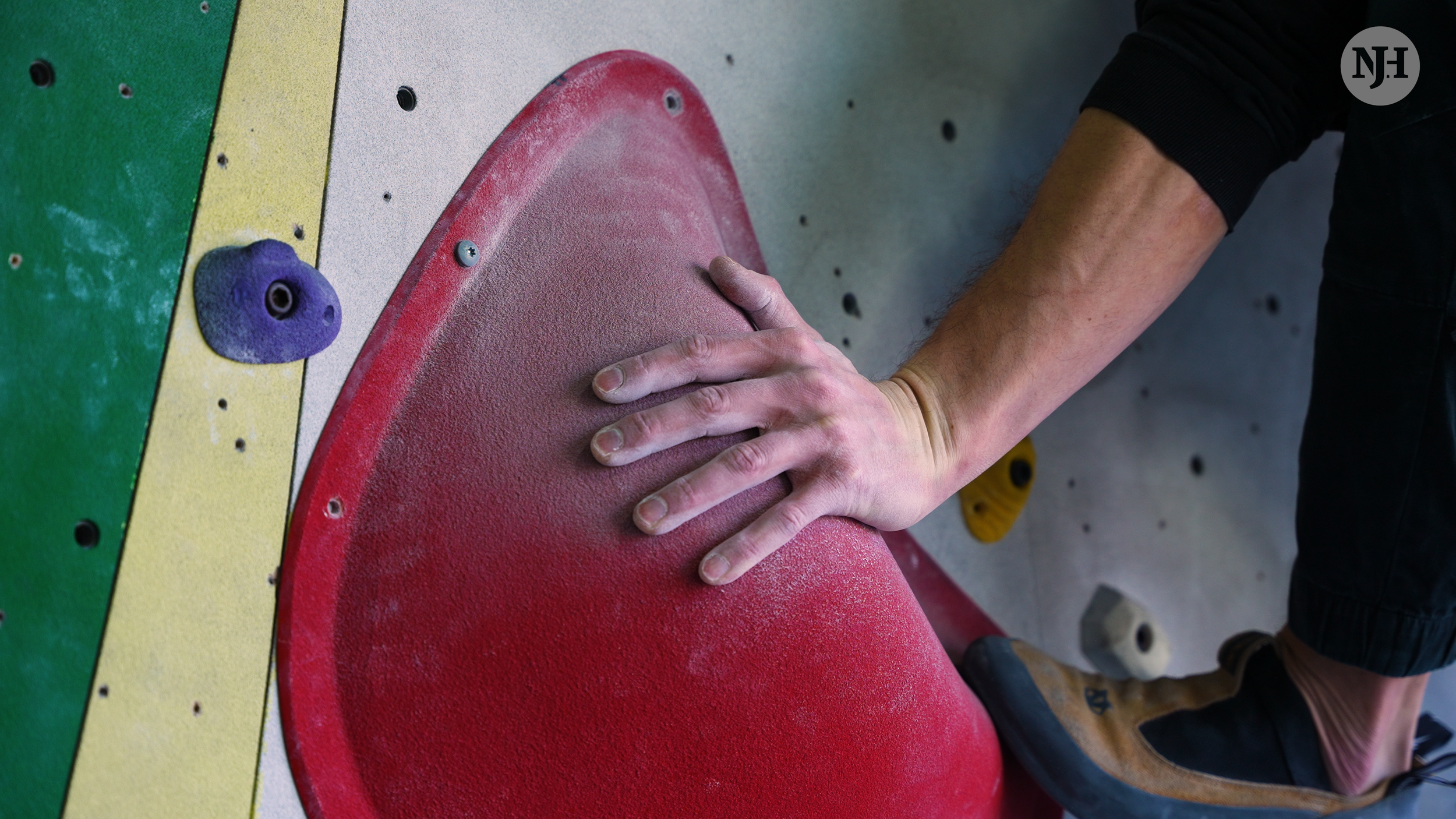
Climbing shoes are crucial as they allow you to use your toes and feet more reliably. While our regular sneakers are designed for comfort and walking, climbing shoes all you to grip on to holds better by pointing your toes more firmly. They’re much tighter in general to help them stay in place and also help you feel the climb better. It will be uncomfortable at first but you’ll quickly see their benefit.
Beyond that, the environment provides the rest — padded flooring, set routes, and structured difficulty levels.
Be sure to clean your gear and wash your hands. It is a gym after all.
Understanding the V Rating System
In bouldering, routes are often labeled using what’s called the “V scale.” You’ll see grades like V0, V2, V5, and so on. In general, the higher the number, the more difficult the problem is intended to be.
For beginners, V0 and V1 routes are usually the starting point. As the number increases, climbs tend to require more strength, balance, coordination, or precise technique.
But it’s important to understand that the V scale is not perfectly standardized.
A V3 at one gym may feel harder or easier than a V3 at another. Even outdoors, the same grade can feel very different depending on the style of the climb. Some problems emphasize reach. Others demand body tension or dynamic movement.
Route setters interpret difficulty slightly differently. Rock type, hold shape, and even wall angle influence how a climb feels.
Because of that, grades are best treated as general guidance, not absolute measures. It’s a great way to have a rough estimation of where you are, for yourself and speaking with other climbers.
At the end of the day, difficulty is personal. A route that feels simple to one climber may feel extremely challenging to another based on body type, strengths, and experience.
Outdoor Bouldering
The name Bouldering comes from climbers that actually climbed real boulders. And there are many climbers that continue this original form of bouldering.
Outdoor bouldering is fundamentally the same but the process is very different.
First, you have to go outside. Sometimes the boulder is a short drive and walk away. Sometimes it’s an hour long hike after a two hour drive.
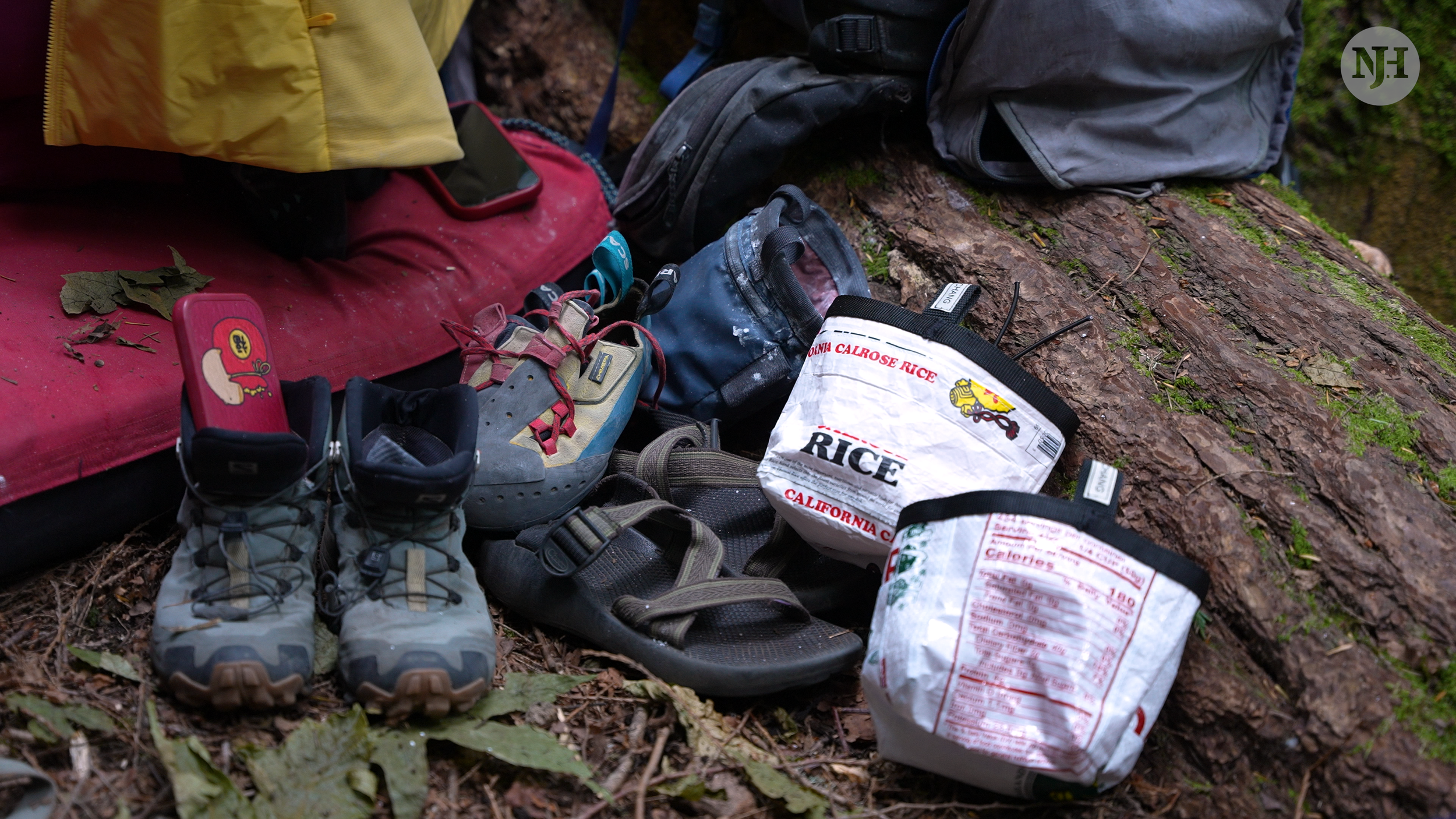
You have to bring in your mats, carrying them on your back to your destination. Bring your hiking shoes, water, snacks, first aid kit, sunscreen, and sometimes bug spray.
Instead of color-coded holds, climbers navigate natural rock formations. The holds are shaped by nature, not by route setters. The texture can vary from smooth to rough. Landings are protected with portable crash pads you brought in rather than permanent flooring.
Outdoor problems often feel less obvious. You may spend more time examining the rock and deciding how to move. The lack of colors make it much more exploratory as you think and converse with fellow climbers. Conditions like temperature, humidity, and friction can change how difficult a route feels.
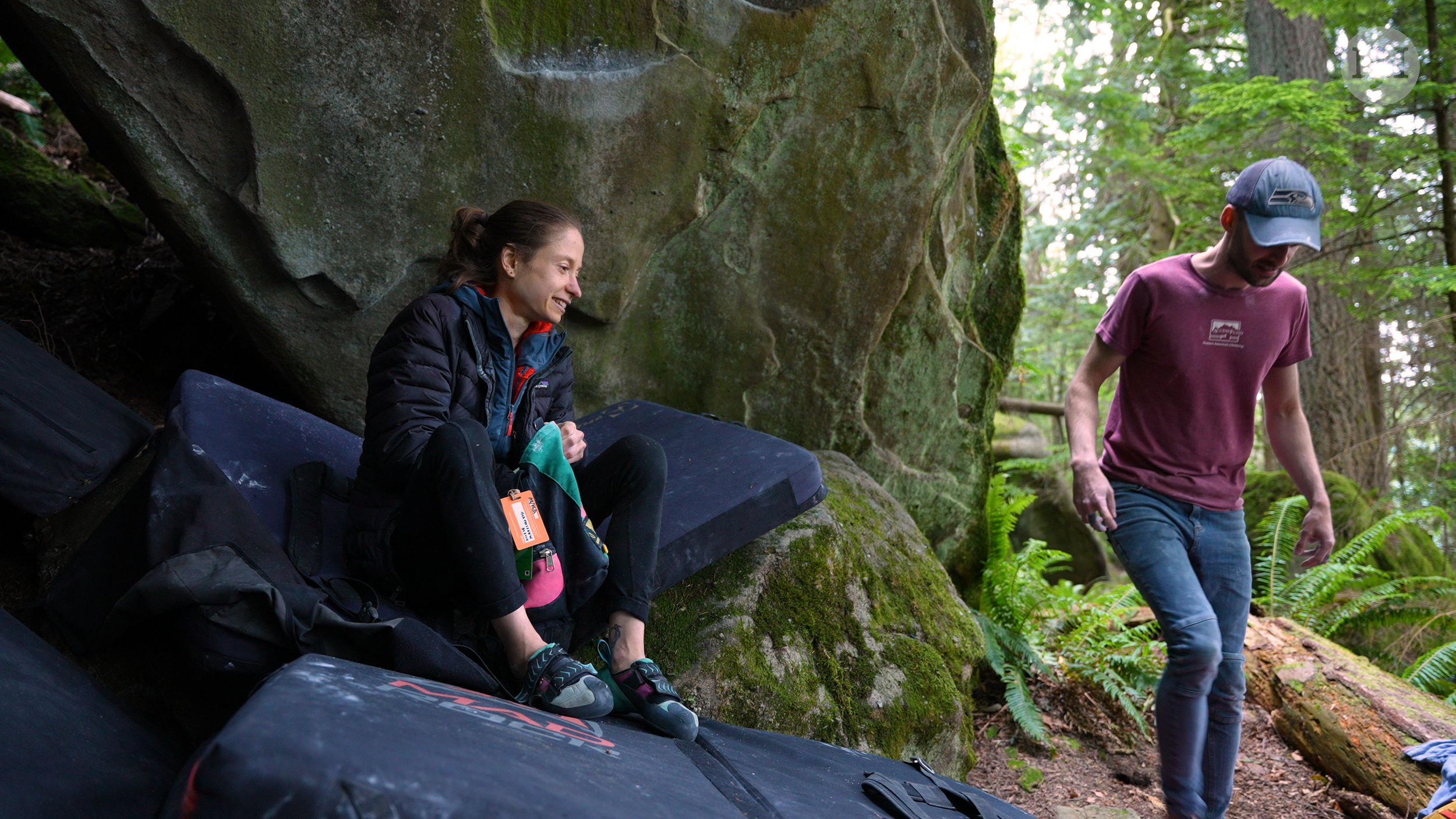
The experience is commonly very communal because of these conditions. You hike out together, climb together, lunch together, and fall together.
It really is bouldering in its purest form.
Though most climbers stay primarily indoors and enjoy the consistency. Maybe the occasional outdoor adventure on a trip. Unless you’re in an area where marked outdoor boulders are available, it can be difficult to find them.
Neither is required to enjoy the hobby. They’re simply different expressions of the same practice.
The Bouldering Community
Bouldering gyms are full of routes, subsequently full of people trying different ones.
You’re naturally very close to others and everybody needs to take breaks between attempts.
Even though climbing is individual on the wall, people often gather below a problem and share ideas. It’s common to see climbers offering suggestions, demonstrating foot placements, or encouraging someone trying a challenging move. Watching others attempt the same problem becomes part of the experience.
There’s a shared understanding that everyone struggles with certain routes. There’s an inherent understanding that any given route could stump anybody.
You don’t have to be highly skilled to feel included. Many gyms foster environments where beginners and experienced climbers train side by side.
As you return to your gym over time, you’ll start seeing the same people and the conversation will flow into the new routes. It’s one of the big draws of bouldering, the community it has and how involved people can be.



A test.
A challenge.
Bouldering is climbing up a boulder.
Whether that’s a set route in an indoor gym or an actual boulder outdoors.
It’s a simple challenge.
But it’s not as easy as it looks.

Shoes and chalk
There’s not much you need to get started, especially if you’re headed to a rock climbing gym.
You can rent shoes and chalk at the gym.
Then, with the day pass you got, you can spend as much time as you’d like trying different routes on the walls.

Getting started
Starting indoors is the most common. If you are near an outdoor bouldering hot spot and would like to start there, we encourage you to find an experienced friend or group to join.
Indoors features “routes” — colored holds where you place your hands and feet — that are the climbing challenges.
These are rated on a scale. V0 is considered the easiest and can go all the way up to V15.
Due note, while the scale is pretty universal, difficulty is subjective.
Once you choose a route to work on, you’re only allowed to touch the related, colored holds and the wall itself. Nothing else.

Safety
Indoor bouldering is fairly safe.
As Nicole mentions, you’re climbing over big fluffy mats that are designed to break any falls. You’re rarely higher than 10 feet off the ground. You can jump down to bail or climb down using any of the available holds — even if they weren’t on your route up.
The holds are also built for hands and feet using them.
An important piece is making sure you’re not walking below others climbing. They may be bailing on a route or swinging their body so be cognizant of your surroundings.
Outdoor bouldering

Outdoor bouldering is a fair bit different than your indoor experience. While the fundamentals are the same, the approach to participating and safety has important differences.
Unique boulder problems
Real life boulders come in all types of shapes and sizes. And you have to deal with an outdoor environment. It really can bring you all over the world as you look to conquer the many boulders out there.


Outdoor safety
Crash pads are crucial when you go outdoors. They mimic the gym pads that protect your falls when you’re indoors. Same deal. The different part is that you have to carry them to the boulder.


Spotting is just as important.
A fellow climber who is there to guide to the crash pads in case you slip or fall.
They aren’t there to catch you. That would be dangerous for the both of you.
More so to push you to the pads or move the pads to protect your fall.
Discover more hobbies.

Pole Dancing
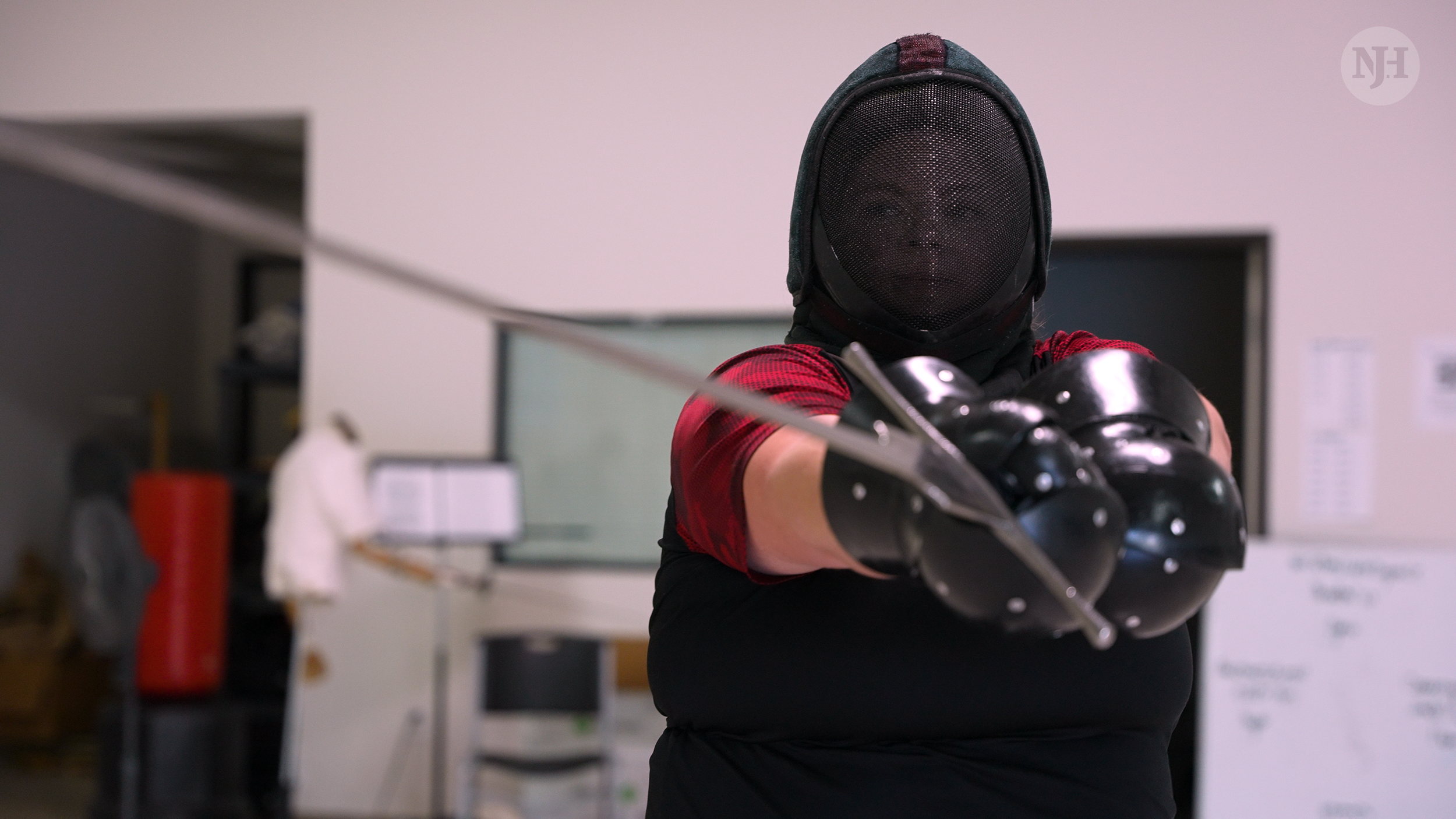
HEMA (Historical European Martial Arts)

Cycling

Looking for our
‘Boulder Bundle’ ?
Head over to our store!
Discover more of Nicole’s bouldering on Instagram @nicolemaksi.