

Let’s find you a community [space].
Your third place awaits.
Community spaces are places outside home and work where people gather around shared interests — classes, games, crafts, fitness, or events — and where you can slowly become a regular.
You don’t need experience. You don’t need expertise. You just need a place to begin.
Why Community Spaces Matter
Community spaces are where hobbies move from something you try by yourself into something you do with others. They’re where you meet the same faces. Where conversations pick up from last week. Where you begin to feel known.
We've created a video series and accompanying resources to help you find your next community space — known as a [space] to us.
What is a [space]?
A community [space] (sometimes called a “third place”) is a public or semi-public place where people gather regularly around shared interests.
The difference is intentionality. These are places built for participation — not just passing through.
[spaces]
“Is this about third places?”
Yes! Third places, community space, [spaces] are discussed on this website and our Youtube channel. What’s important to us, and what has brought us to our definition of [spaces], is starting the conversation with a common interest. We go beyond just talking about places for people to gather but incorporating what happens in each space.
So if you are looking for a third place, you’re in the right spot!
Starter [spaces]
Here are three (3) select [spaces] to start you on your journey.
A unique, original video introduces each one — with additional writing to answer any lingering questions.
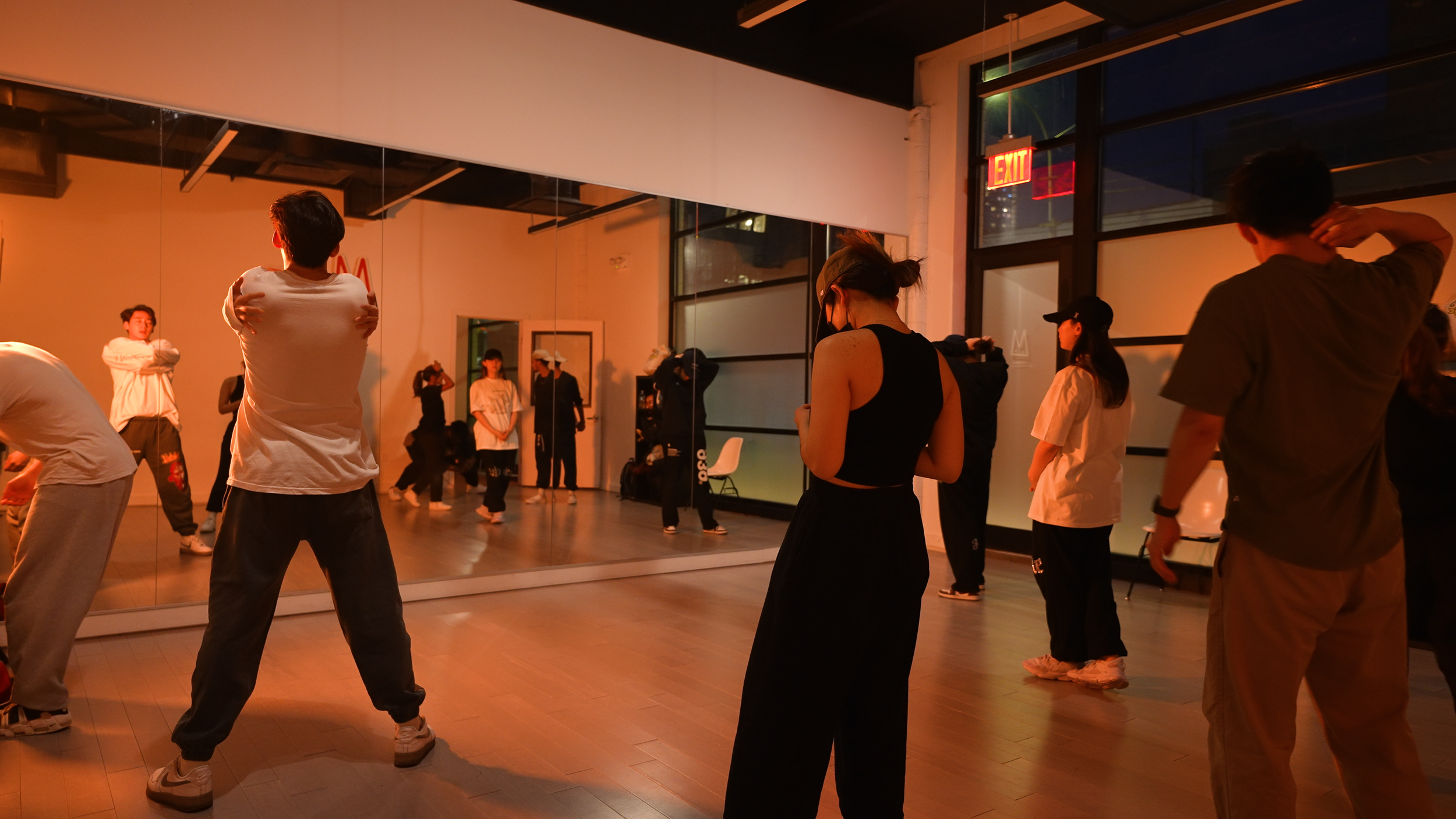
Dance Studios
A vibrant, movement-filled [space] with dedicated beginner classes and community dance events.

Yarn Shops
Arts-and-crafts-based [space] filled with makers of all types. Get your creativity going and pick up new skills.

Independent Arcades
Simple games that anybody can pick up. And an exciting, underground community behind each one.
how to find your [space]
If you haven’t already, we recommend watching our guide “how to find your [space]”. This video walks you through the entire process of finding, trying, and joining a community space.
This guide walks you through:
What is a community [space]?
How to find your community [space]
How to get involved in a community [space]
Communities You’ll Find
How to become a regular
How to help ensure these [spaces] thrive
Guiding questions —
Finding your next [space] begins with looking inwards and answering some questions for yourself. Some are personal taste. Others are logistical realities.

Personal Questions.
Before thinking about a new [space], let’s start with thinking about what you already enjoy. This will ground you as you look for the other piece of the puzzle.
-
In your free time, what gets you excited? How do you like to get active? What interests do you keep coming back to?
-
Is it long conversations in the evenings? Or playing video games together? Or sharing creations with each other? Taking a shared class?
-
Do you have time and energy right after work? Do you do night shifts and are free only during the day time? Are weekends best for you?

Community Questions.
People are what make these [spaces] possible and what will keep you coming back. It’s important to find a community that fits your values.
-
Are you enjoying the conversations? Do their values align with yours? Are you able to learn from them?
Remember to be respectful and kind to the folks you run into. You're all here during off-hours.
-
Identity is important. How a [space] chooses to identify itself means what it is actively working towards. Does fit what you're hoping to be a part of?
-
Being part of a [space] means a two-way street of receiving and giving.
Showing up is enough sometimes. Do you feel like you can support events here? Host your own? Show up for others?

[spaces] Questions.
All [spaces] provide different environments and activities to participate in. Let’s think about what you’re looking for in a [space].
-
Do you want something chill and relaxed? Or physically active and challenging? A team sport or solo creative endeavor? Would you like guidance or freedom to do as like?
-
Do they excite you to go and participate? Are they challenging what you normally encounter? Are they fun?
-
Will you have new, positive experiences here? Is this a place where you will be able to share and connect with?

Explore the full library of [spaces]


Frequently Asked Questions
-
Coined by American sociologist Ray Oldenburg, a “third place” is a place outside your home (first place) and work (second place) where you can spend time regularly and feel part of a community.
This idea has exploded in popularity recently as more people are feeling the effects of urbanization and digitization. We all naturally want community and third place offers a potential solution to finding it.
-
First, we recommend asking yourself what interests you. There are so many potential community hubs you can join but to set you up for success, it’s important to dedicate your time and energy to ones that align with what you enjoy.
Browse the types of community spaces we’ve documented.
Then when you’re ready, search for those specific ones in your area.
In short, start by choosing one or two interests you actually want to do in real life. Then look up those specific space types near you (studios, clubs, shops, gyms, cafés). Pick the easiest one to try first, even if it’s not the “perfect” option — momentum matters more than optimization.
-
Look for signs like beginner classes, intro nights, clear staff guidance, or language online that welcomes first-timers. If it’s not obvious, visit once and ask directly — good spaces will answer that question easily and kindly. Their online presence also signals the type of community and support they have for beginners as well.
-
Treat your first visit as a “vibe check,” not a commitment. Take your time, observe what people are doing, and ask one staff member or regular what a beginner usually does first. It might not feel perfect right away — most places take a few visits to feel familiar — but if you leave thinking “I could come back,” that’s a strong sign.
It is important to also realize that it won’t likely be a perfect match when you first arrive. It takes time to get to know a space and get comfortable with it so give it time.
-
It is awkward to walk into a new place alone. Most people remember that feeling, even if they don’t show it. The easiest move is to be direct: tell the staff you’re new and ask how beginners get started. If you talk to regulars, do the same — people usually enjoy helping a newcomer.
A simple opener works: “Hi, I’m ___, I’m new here. How do I get started?”
-
To visit as a first timer, almost always no. Just poking your head in and getting a vibe check is often encouraged by all spaces before committing any money. It’s also important to them that you feel like you belong.
Some spaces are class or membership based. This is because they offer tools and storage and also, they simply need to pay rent for the building. The great part is that they are often run by passionate community builders and are more focused on bringing that aspect to life than anything else.
There are also plenty of free, low cost spaces like Art Cafes or Independent Bookstores. You can check out some of them on our community spaces catalog.