
Lock Picking
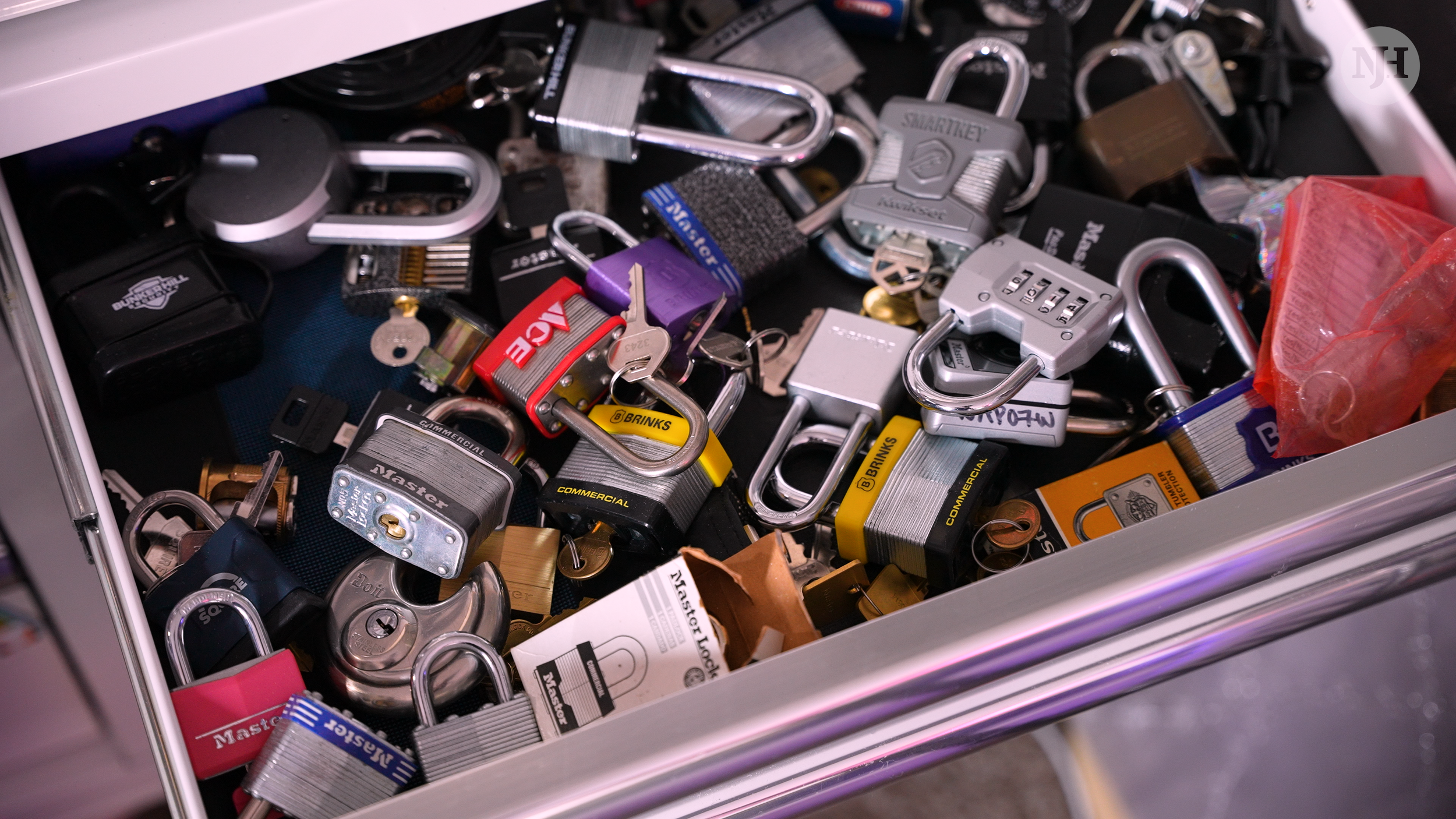
Lock picking — also known as locksport — is the hobby of opening close locks without using the accompanying key. This includes using a lock pick but also rake tools, zip ties, paper clips. Anything goes.
It’s not about “breaking in” and more about solving a tiny mechanical puzzle you can hold in your hand.
What surprises most people is how quiet the hobby is. You’re not often not forcing anything. You’re paying attention, making small adjustments, and slowly learning what a lock feels like when it’s ready to open.
It’s a skilled hobby where you’ll need to trust your patience.
Ethics and Safety
Lock picking has a few key boundaries that keeps the hobby healthy:
Only practice on locks you own.
Use locks you have explicit permission to open.
Do not lock pick anything that facilitates illegal activity.
That’s it. No gray area, no “just to see if I can.” If it isn’t yours (or you don’t have clear permission), it’s not part of the hobby.
When people talk about locksport as a community, this is a big part of what they mean. The fun is in learning and improving — without turning it into something it’s not intended to be.
Tools and Setup
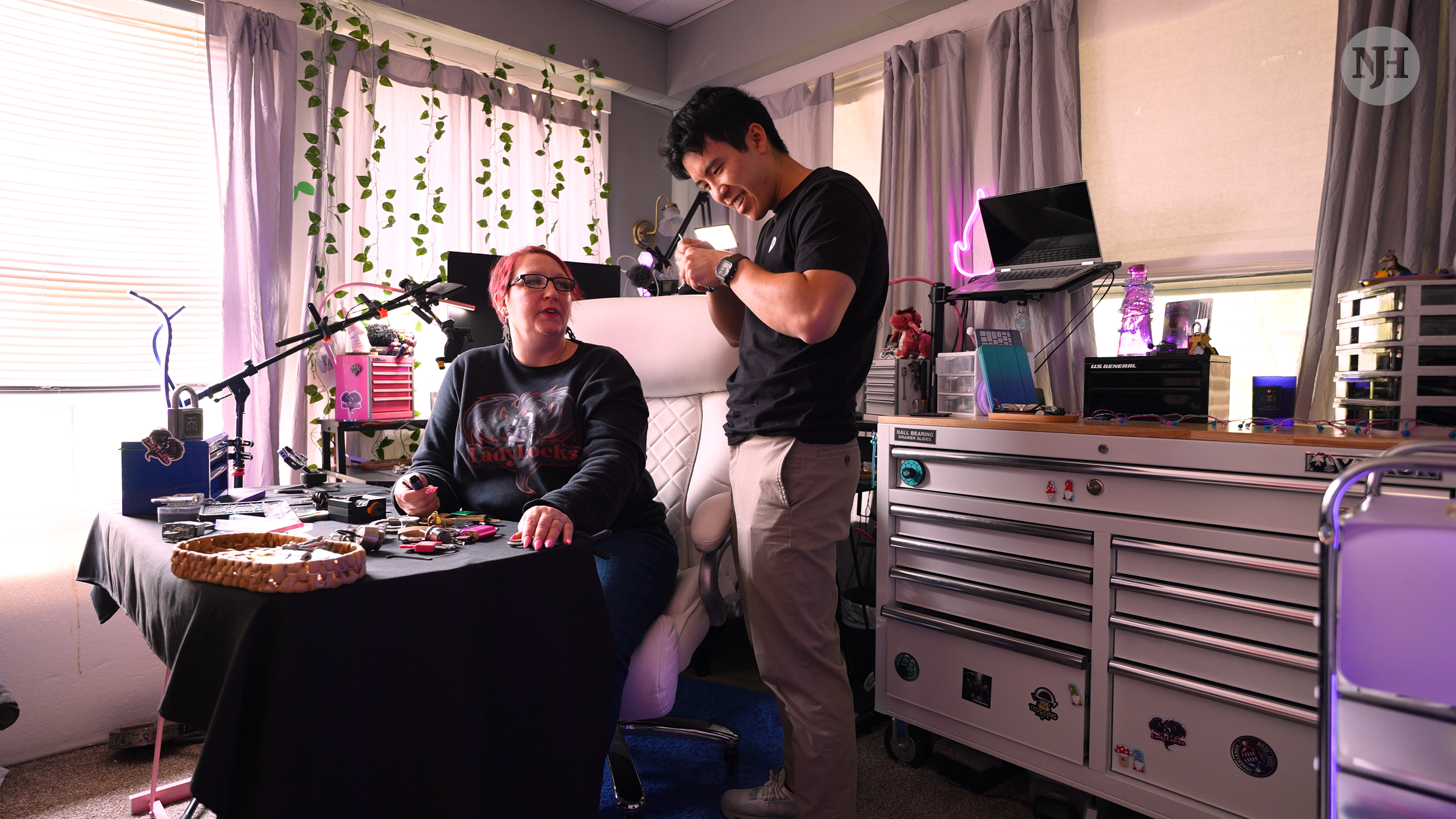
Lock picking is relatively minimal, but it’s also a hobby where it’s easy to overbuy early.
At the start, you mainly need:
• a practice lock you own
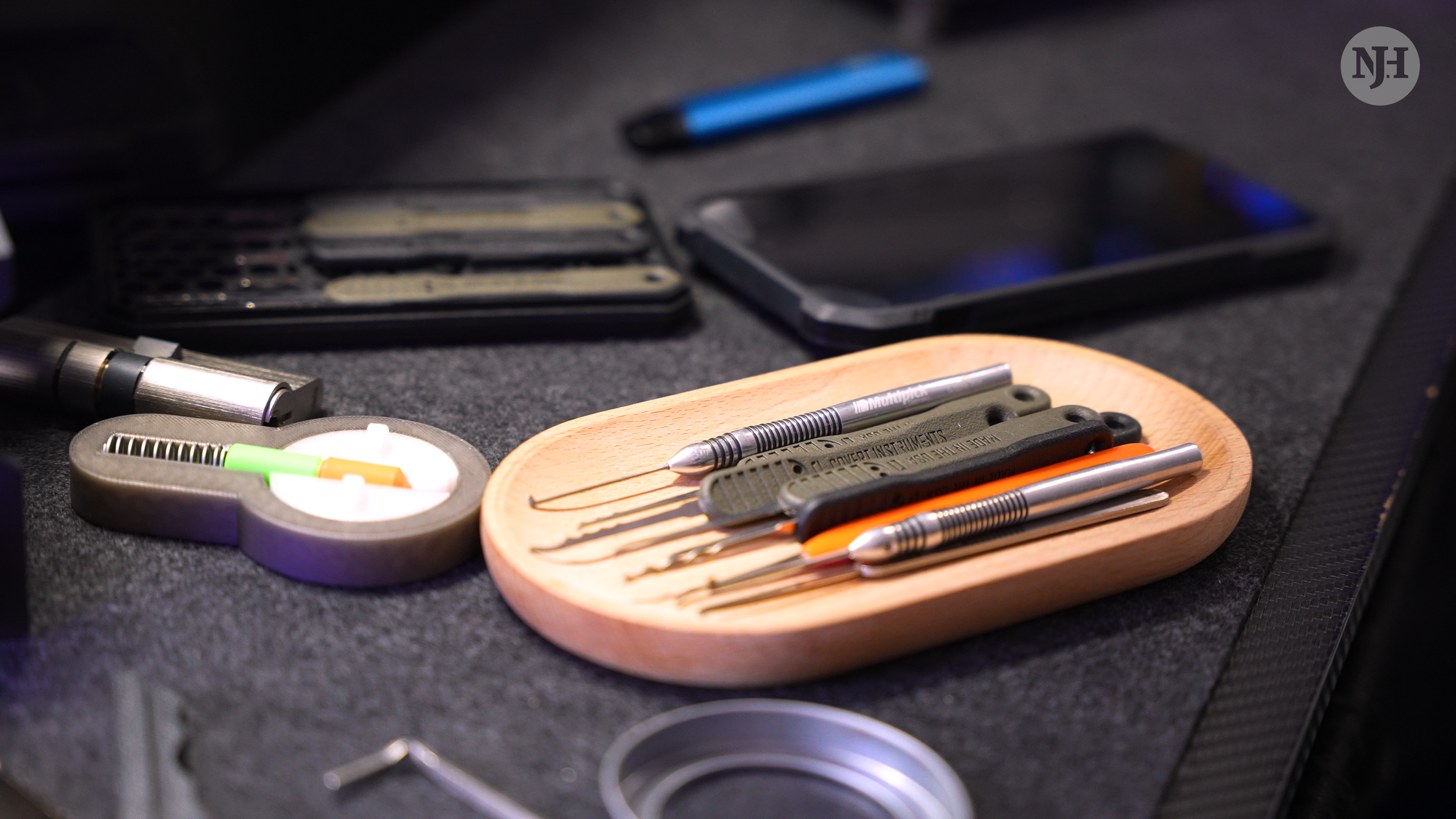
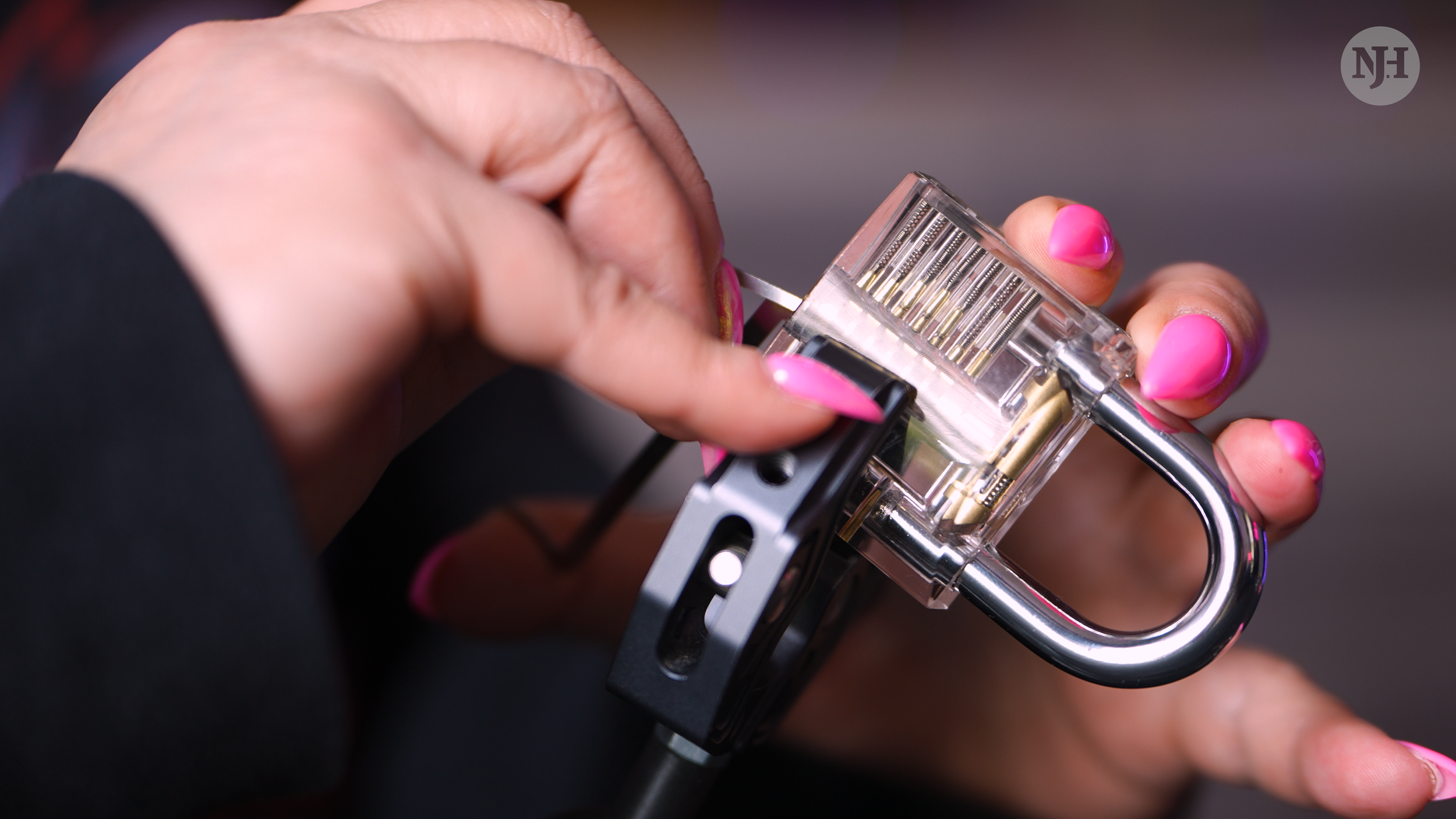
• basic lock picking tools intended for training
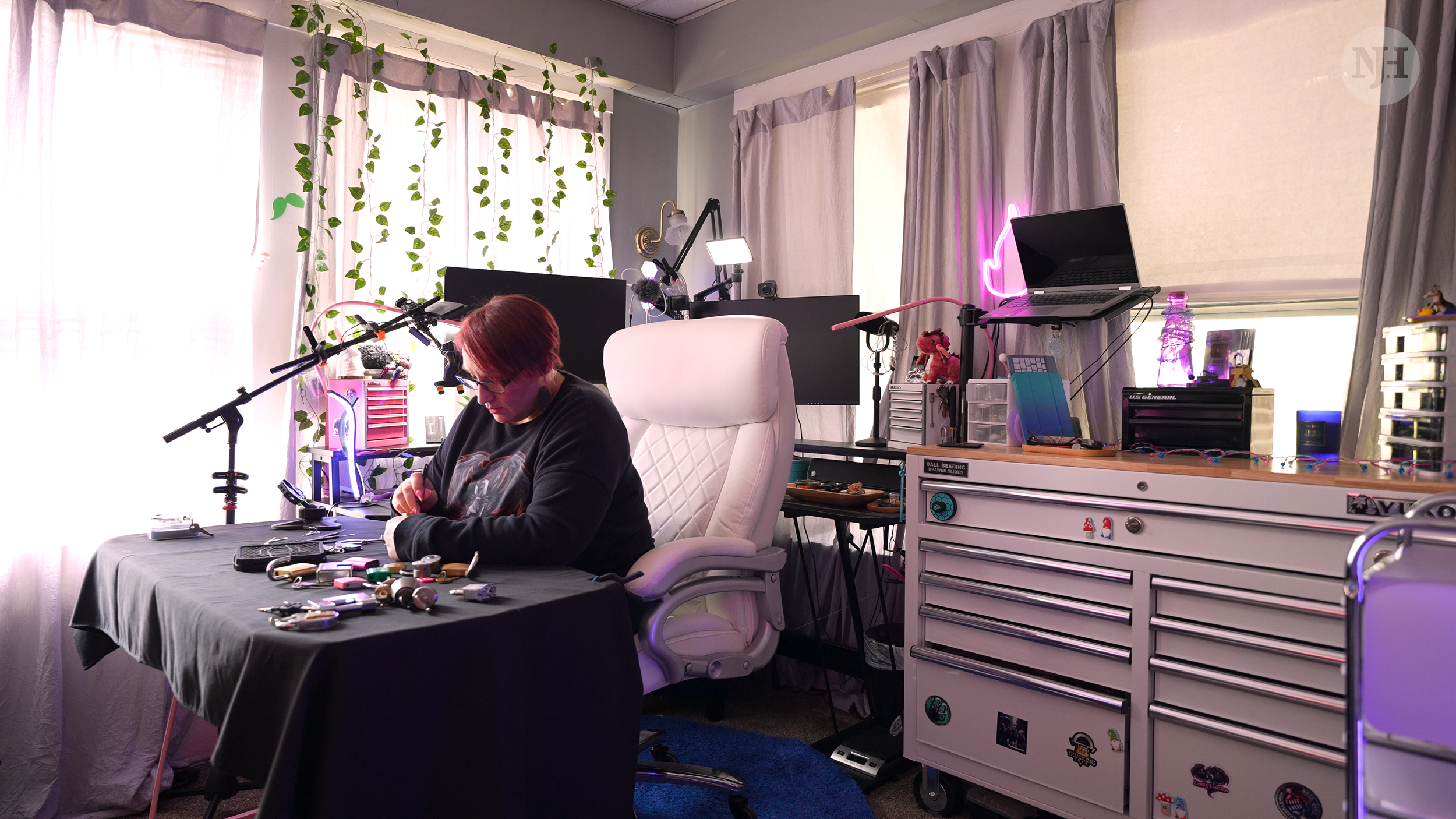
• a quiet place to focus
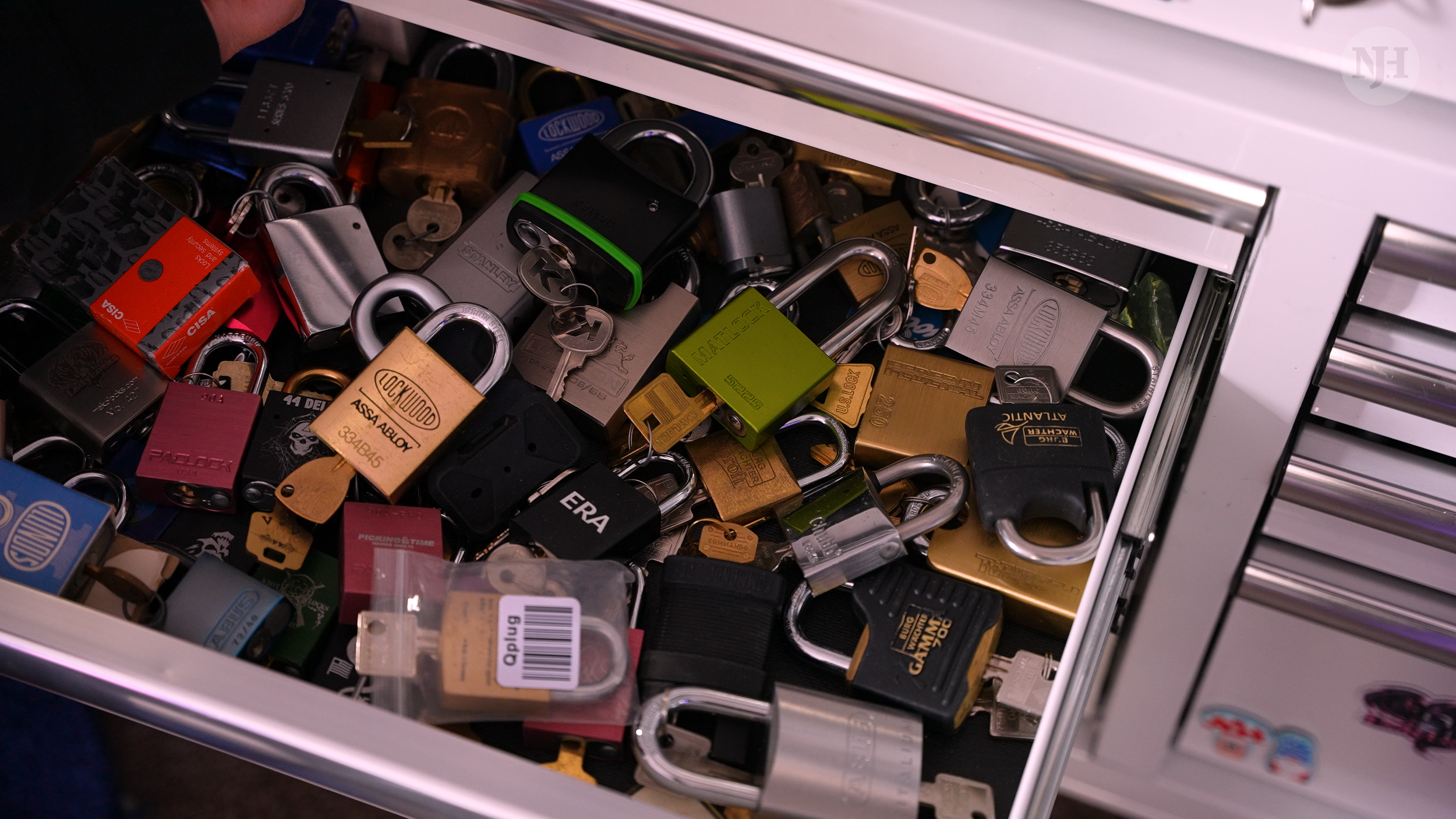
We recommend using any old locks you may have lying around and don’t mind not needing again. You can also ask friends or shops if they have any old locks they don’t mind letting go, but be aware that locks can be very difficult to pick even for experienced lock pickers. There are lists online for recommended beginner locks.
Your first lock picks and tension tools will impact your first attempts. There are plenty of brands dedicated to creating lock picking tools and recommend you start there. Getting something from a mass online retailer often leads to lackluster tools.
How a Lock Works
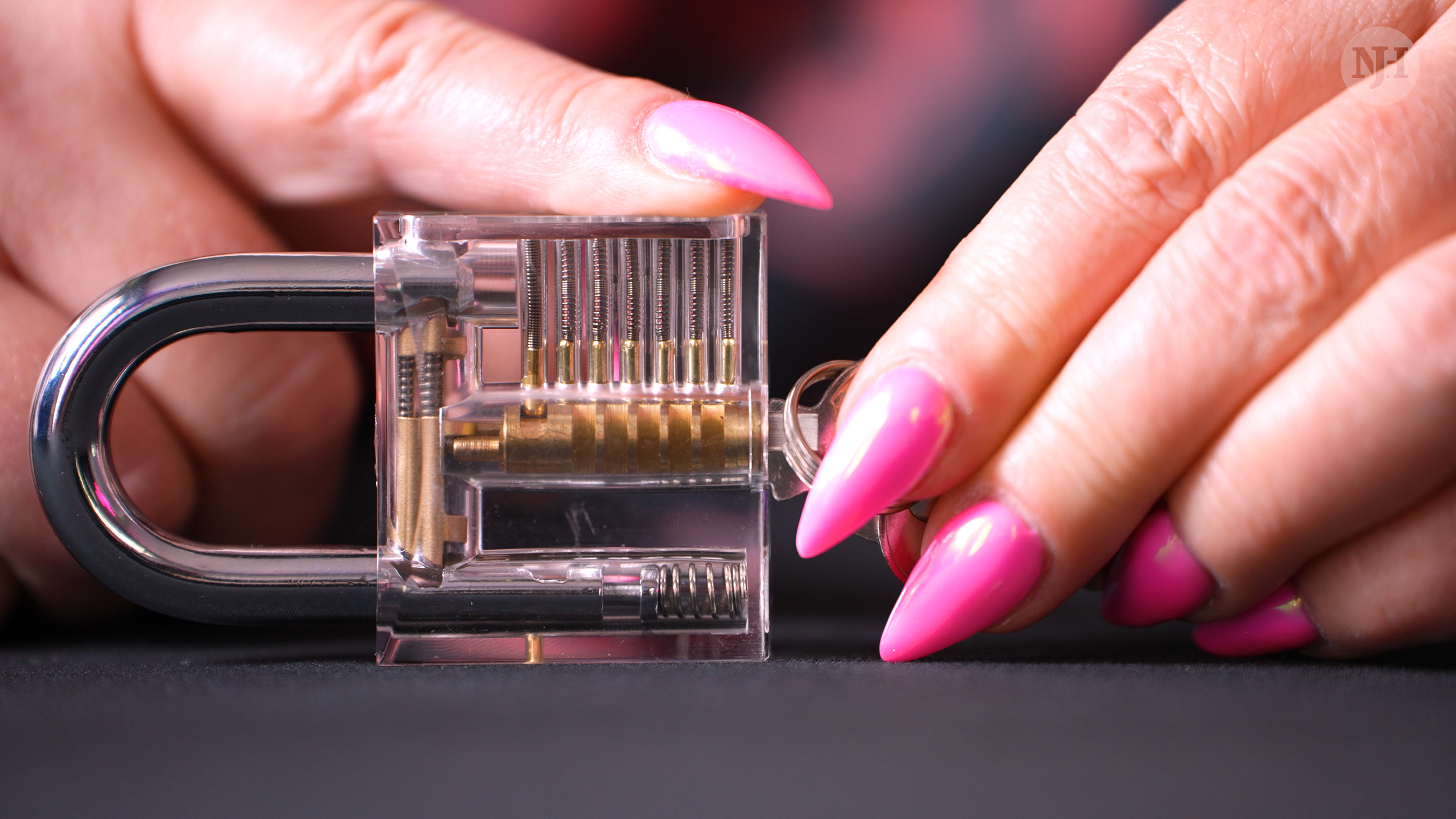
Most everyday door locks (the kind you use with a house key) are pin-tumbler locks. Here’s a simple breakdown:
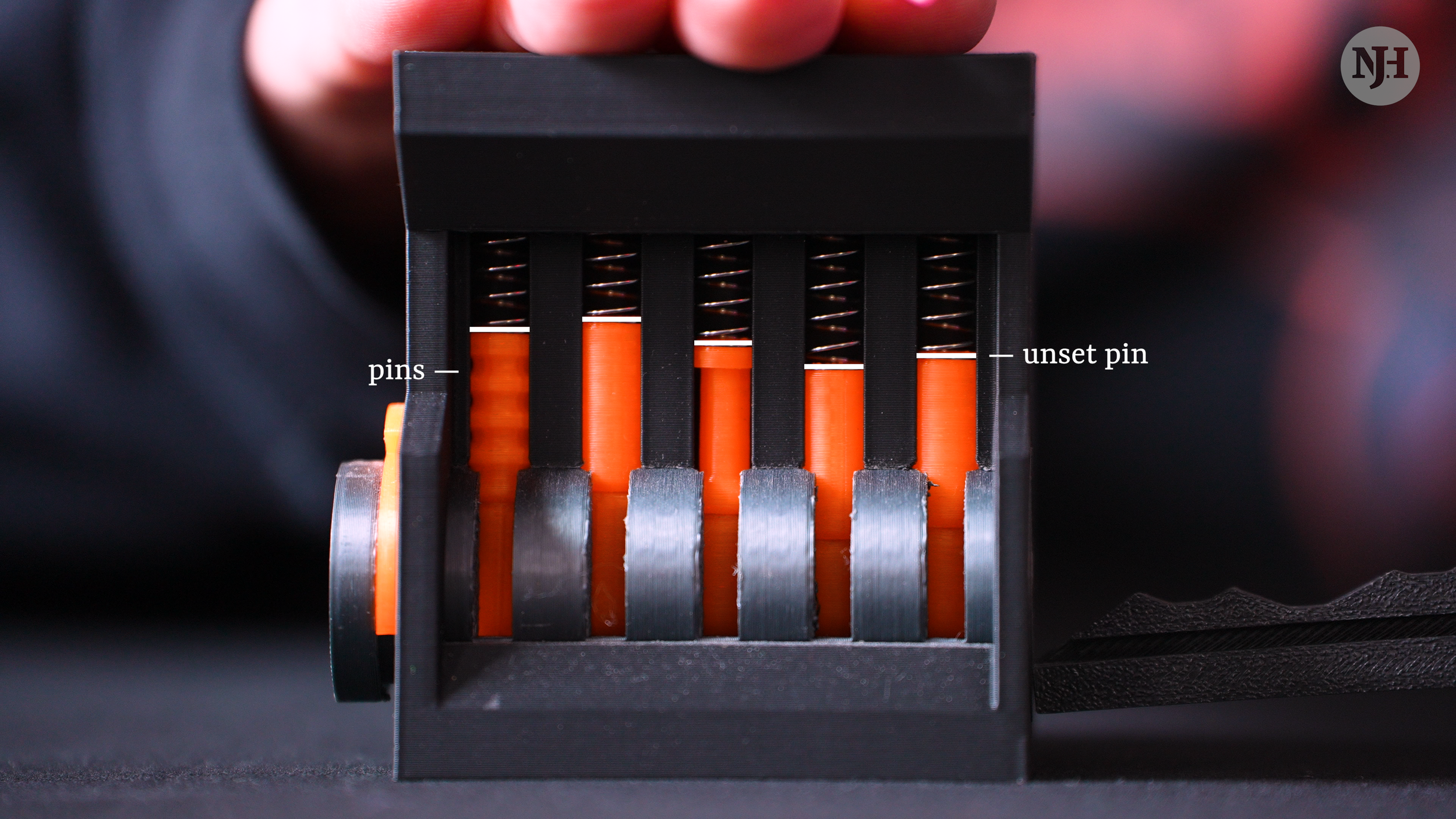
1. There’s a core inside the lock that needs to turn. Your key slides into a cylinder called the plug, which can rotate inside the lock.
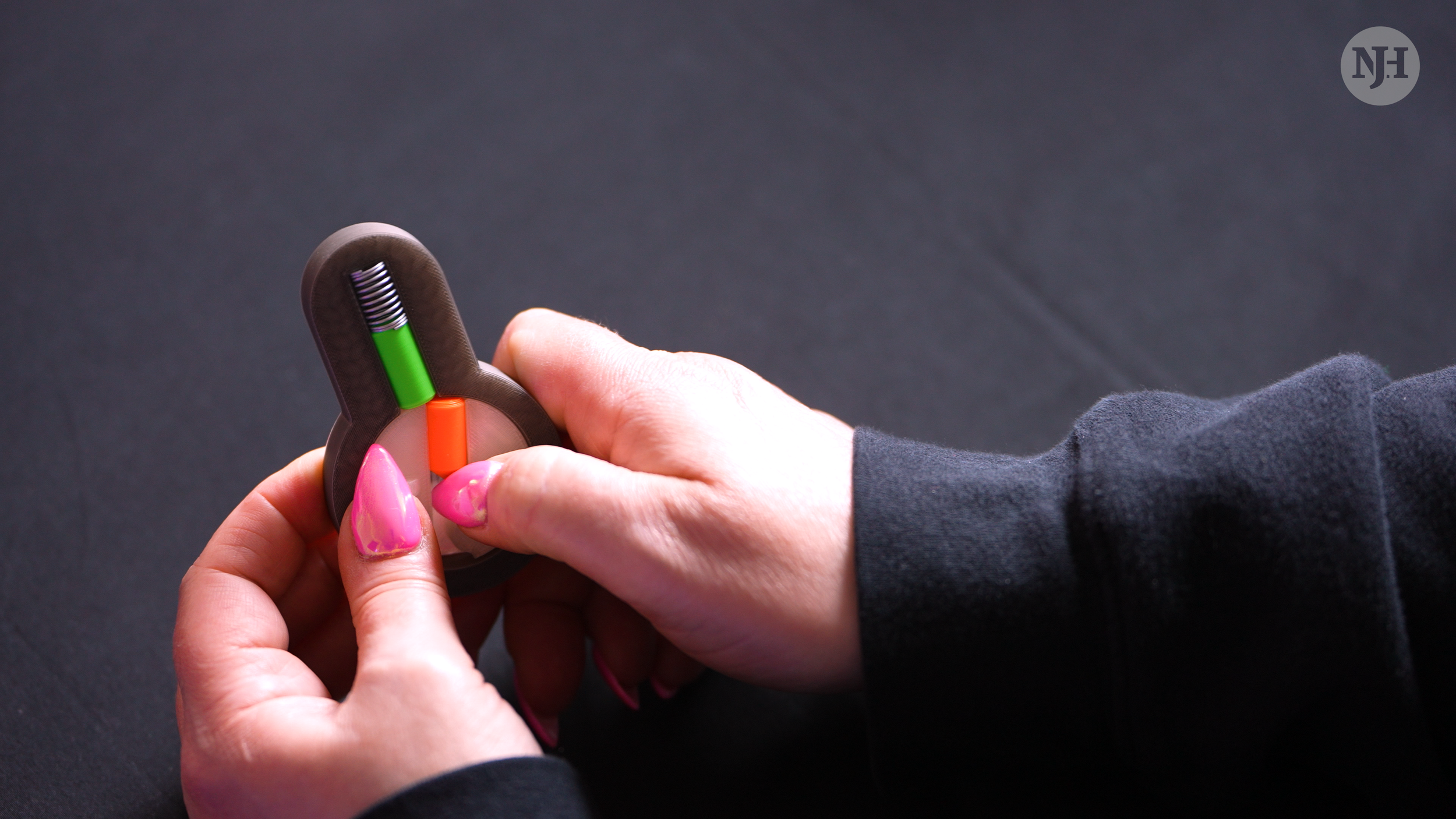
2. Pins stop that core from turning. Inside the lock are small, spring-loaded pins that sit partly in the plug and partly in the outer housing. When the pins are in the wrong place, they “jam” the plug so it can’t rotate.
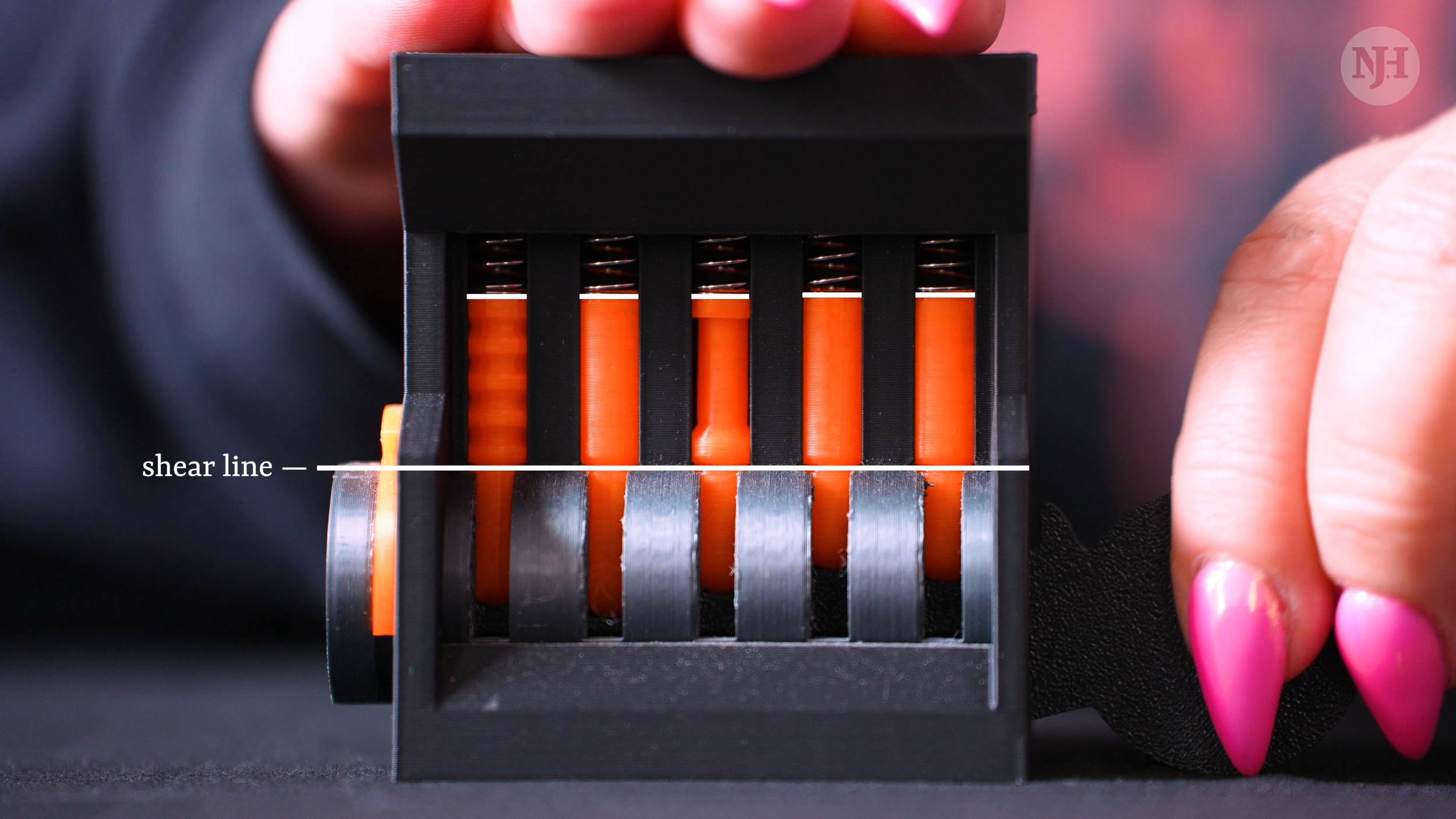
3. The key lines the pins up at the shear line. The shear line is the seam between the plug and the outer housing. The cuts on your key lift the pins so the split between them lines up right at that seam.
4. Once the pins are lined up, the plug turns and the lock opens. With the pins no longer blocking the shear line, the plug can rotate freely.
That’s why locksport feels like a tiny mechanical puzzle: it’s built around getting small parts aligned, not forcing anything open.
Getting Started With Locksport
Lock picking is one of those hobbies you just have to try to grasp the feel of it. Once you have your tools and lock, maybe even watch a couple videos, try using your tool. You’ll quickly feel how different it is actually lock picking and mechanics you’re actually touching.
Start small. Don’t try to “speedrun” progress. Most people learn faster by sticking with one practice lock long enough to understand it, rather than jumping between many.
What helps tremendously is:
• Taking small breaks between attempts
• Intentionally trying a different action. Start lower or higher.
• Just feeling out the lock. You don’t have to go for the unlock every time, getting to know how it feels is just as valuable.
The Locksport Community
Lock sport has a quite the community with online forums and conventions. Many people share progress, participate in skill challenges, and learn together through meetups or online groups. Sharing locks with each other is common too.
The tone is often supportive because everyone remembers the early stage — when you can’t tell what’s happening and the lock feels like a brick wall.
If you want social motivation, this hobby has it. If you prefer to keep it private, it works perfectly as a solo practice too.
Discover more hobbies.
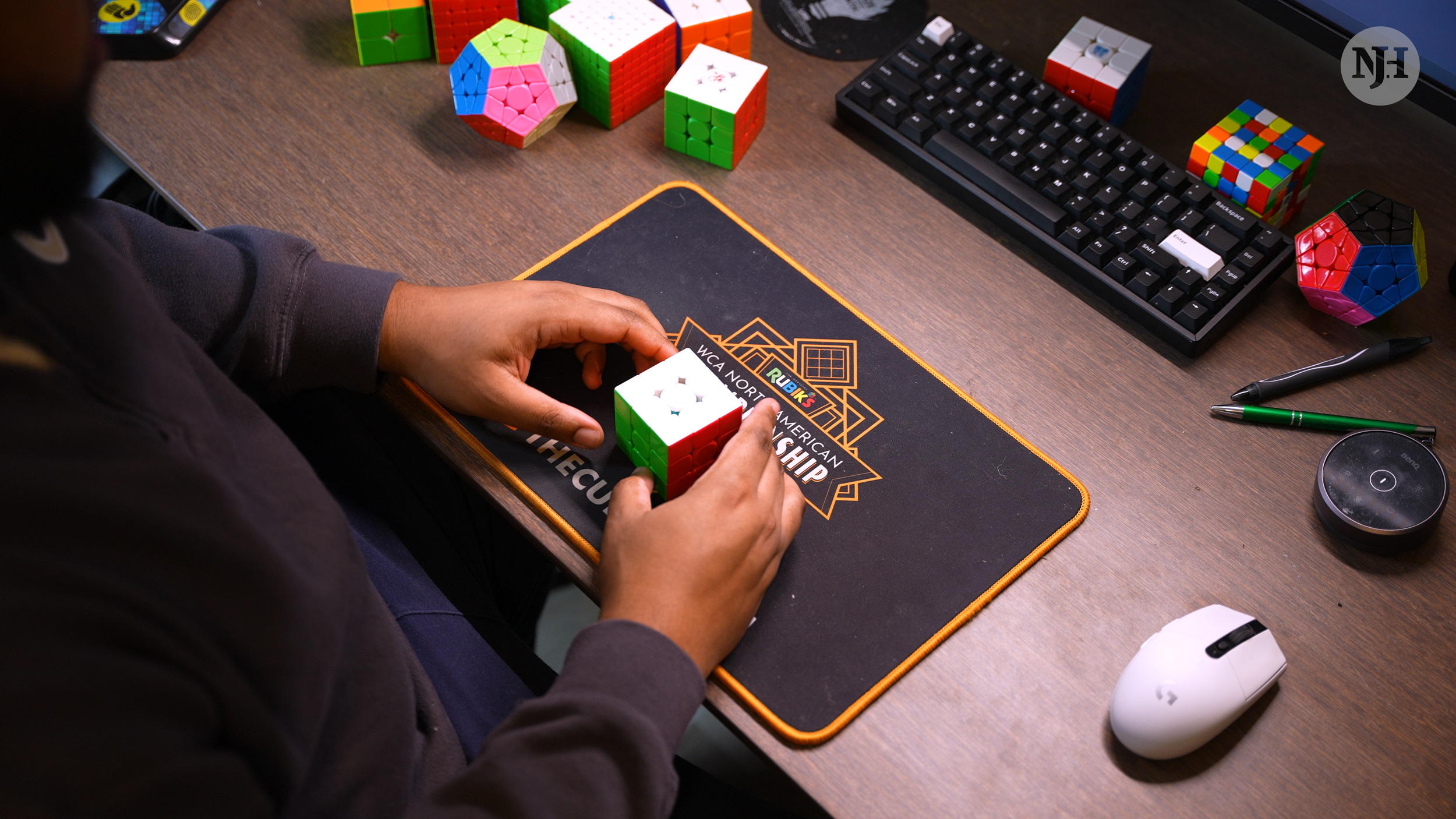
Cubing

Speed Puzzling
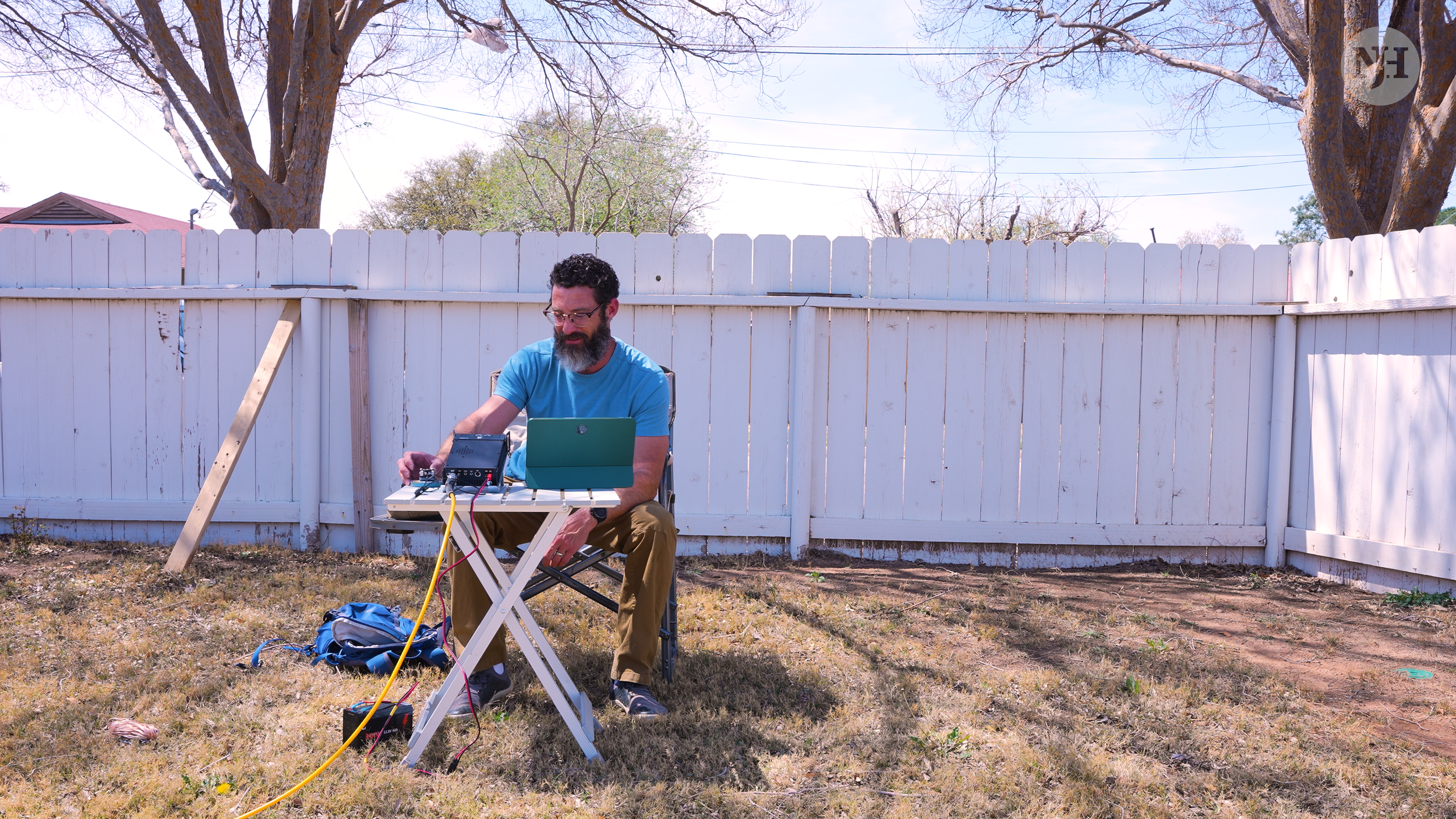
Ham Radio
Discover more of LadyLock’s lock picking on Instagram @ladylocks1.