
Breaking
Most people think breakdancing (also known as breaking) is all about big moves. Windmills. Freezes. Power moves that make crowds go crazy.
That’s just a small part of breaking. And as a hobby, it’s not the part that keeps most dancers around.
Breakdancing, once you’re actually doing it, feels more like learning a new way to express yourself through your body. You’re not always following choreography. You’re not always hitting marks. You’re responding to music, to the floor, to how your body feels that day, to the crowd...
Some days it looks good. Most days it doesn’t. It’s all part of the rhythm of learning how to breakdance.
In a more concrete description, breakdancing is a form of movement built around rhythm, balance, and learning how your body works close to the floor. Breakdancers move between standing footwork and floor-based movement, repeating patterns and gradually connecting them into longer sequences with moments of emphasis. It’s this free flow style and opportunities for dramatic physical showmanship that often draws people to choose breaking as their choice of dance.
Preparing Your Body for Breakdancing
Stretching matters, especially early on. Flexible hips, shoulders, and ankles make it easier to move between positions without feeling stuck or strained. Stretching doesn’t need to be intense or complicated.
Strength training plays a role too and that doesn’t mean bodybuilding. Breakdancing relies more on control than raw power. Building basic strength in your core, arms, and legs helps you support your weight and maintain balance as movements become more dynamic. And you will naturally grow stronger the more you practice breaking. But taking the time to do light strength training or even simple bodyweight-focused training (calisthenics) goes a long way.
Just as important as training is rest. Like all sports, giving your body time to recover is crucial and may actually be the difference between landing the move the next time you take the floor. Progress comes from consistency over time, not from pushing through fatigue every session.
Clothing and Gear
Breakdancers have style, there’s no denying that. We absolutely encourage you to bring your flair to your outfits, in terms of actual function, here are some pieces to consider as you start:
Loose, flexible clothing helps you move without restriction. Pants that bend easily and shirts that stay in place when you’re upside down or rotating reduce distractions while practicing. Comfort is more important than how things look, especially in the beginning. Another bonus is that loose clothing often accentuates your movements, think of how baggy shirts flow with your movements, and can benefit your performance vision.
Shoes are mostly a personal choice and often depends on the surface you’re practicing on. Some people prefer footwear for grip and protection, while others like the feel of moving closer to the floor. The key is stability. You want to feel secure when stepping, turning, and shifting weight.
As for other gear, very little else is required. For a location, a flat, clean surface, enough space to move safely is usually enough. Ideally, you have mirrors to watch yourself but many dancers use reflective windows found in and around buildings. Many also just dancers simply record themselves.
Style Comes From Skills and Constraints
Everyone starts with different constraints. Body type, flexibility, strength, injuries, and even the space you practice in all shape how you move. Instead of holding you back, these limitations are more of about what you uniquely bring to breakdancing.
No two dancers are the same. After you grasped the fundamentals, when something doesn’t work, feel free to safely modify it. When something feels good, repeat it. What starts as adaptation eventually becomes personal style.
So rather than chasing someone else’s movement or comparing yourself too early, it helps to pay attention to what feels controlled and sustainable in your own dancing.
Taking Your First Steps
Starting breakdancing doesn’t require a big plan. What matters most is getting comfortable with showing up and moving regularly.
In the beginning, your goal isn’t to learn everything. It’s to build familiarity with how your body feels on the floor, how music influences your movement, and how long you can practice before fatigue sets in. Short, consistent sessions tend to work better than long, exhausting ones.
It also helps to give yourself permission to move without knowing what you’re doing yet. Early practice is often messy and unstructured, and that’s normal. You’ll spend time repeating simple movements, experimenting, and figuring out what feels natural. Progress comes from exploration as much as repetition.
If you have access to other dancers, observing and practicing around them can be helpful, even if you don’t interact much at first. If not, solo practice works just fine. Many people build a strong foundation on their own before ever stepping into a shared space.
And if you don’t, visit your local dance studio and see if they have classes available!
Most importantly, pace yourself. Breakdancing is physically demanding, and improvement happens gradually. The people who stick with it are usually the ones who focus on consistency rather than speed. If you keep showing up and listening to your body, the rest will follow.


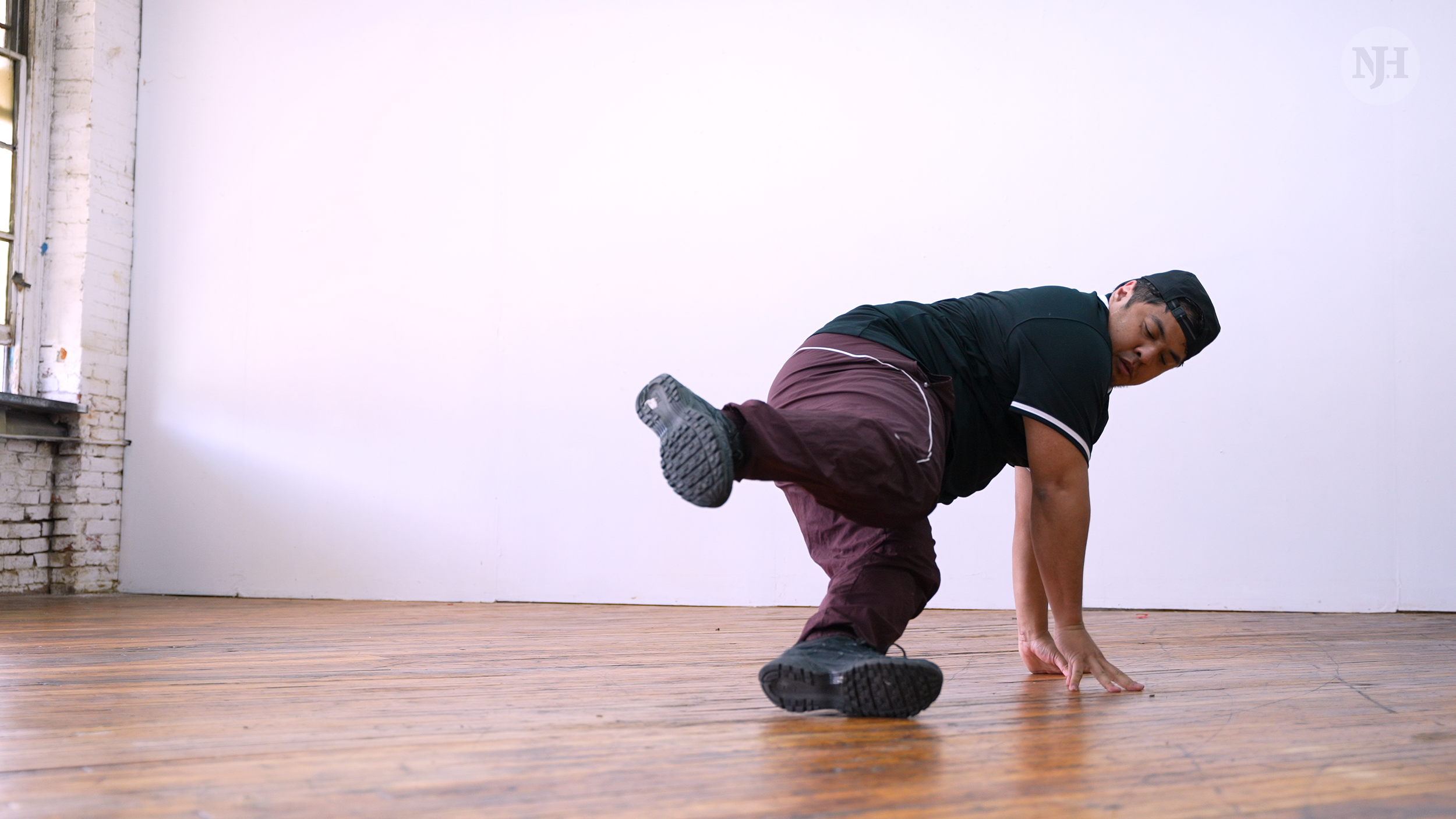
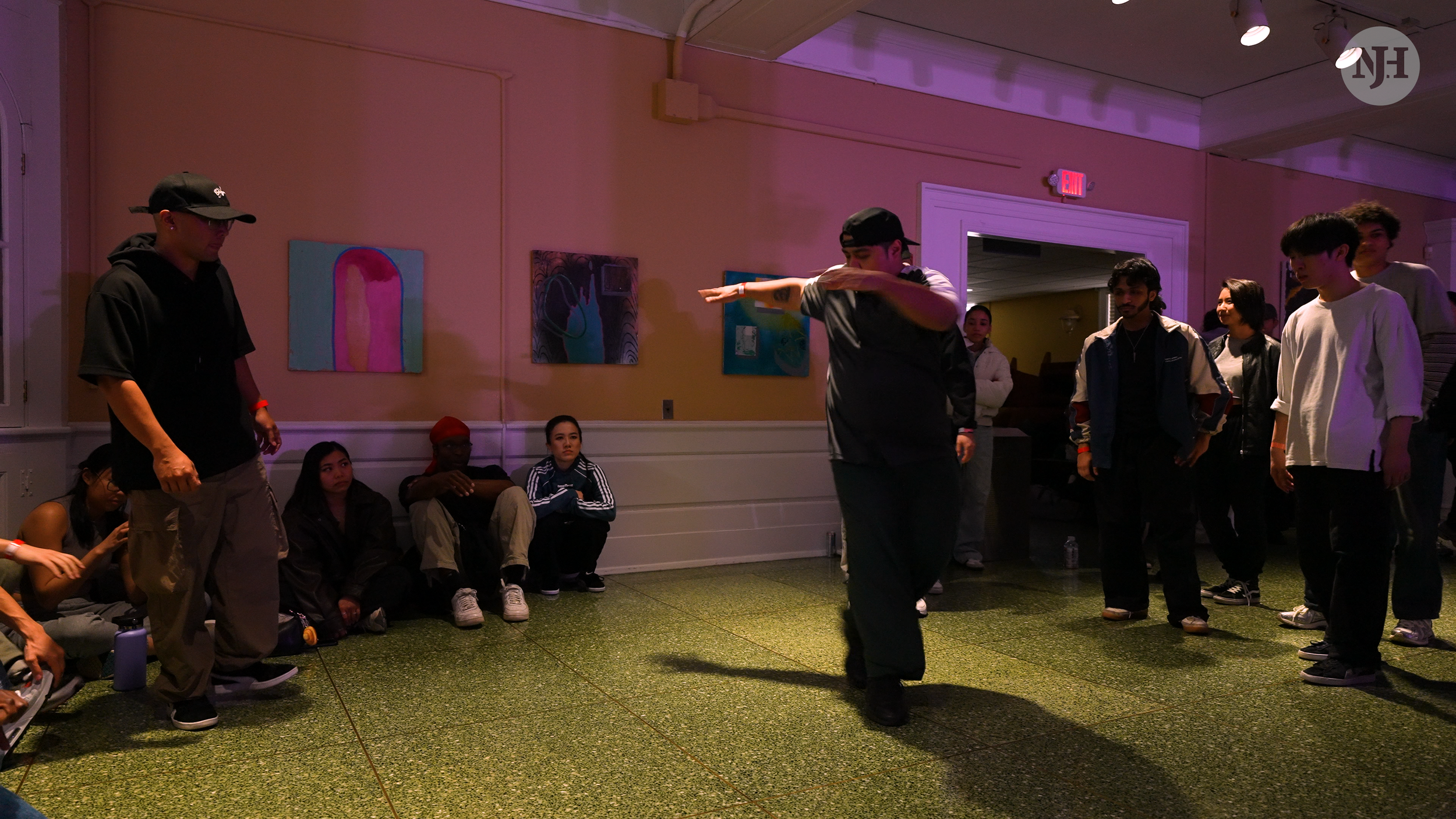

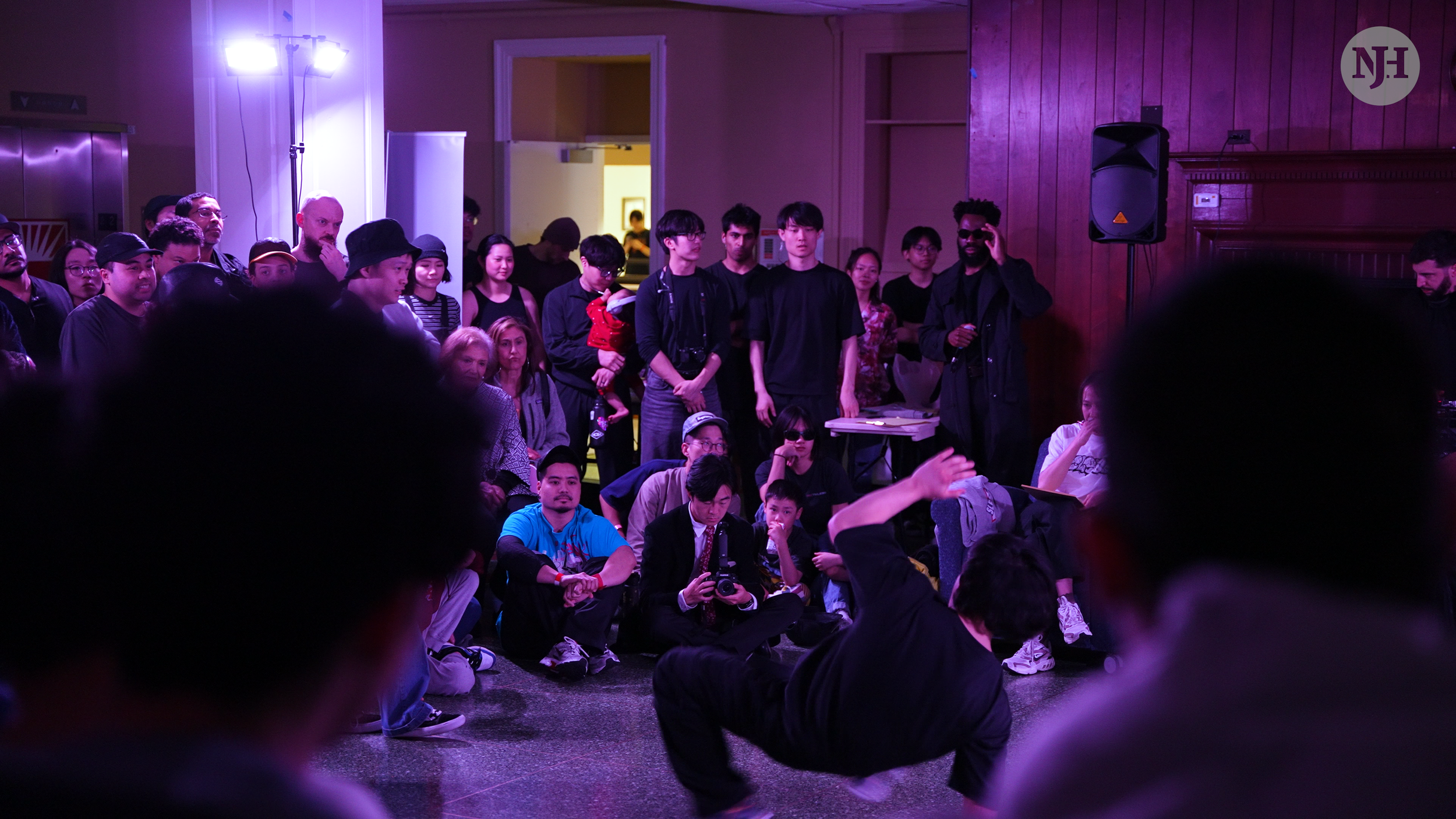
Footwork to
head spins
Breakdancing is something we’ve all seen and been amazed by.
And it’s a very real hobby for many.
It’s easy to get roped into how fantastical it all is and how daunting it all looks. But everybody was once a beginner and it has taken those folks many years to master their moves.
Start with the fundamentals. And like Jey says, power moves is a small part of breaking.
Discover more hobbies.

Modern Dance
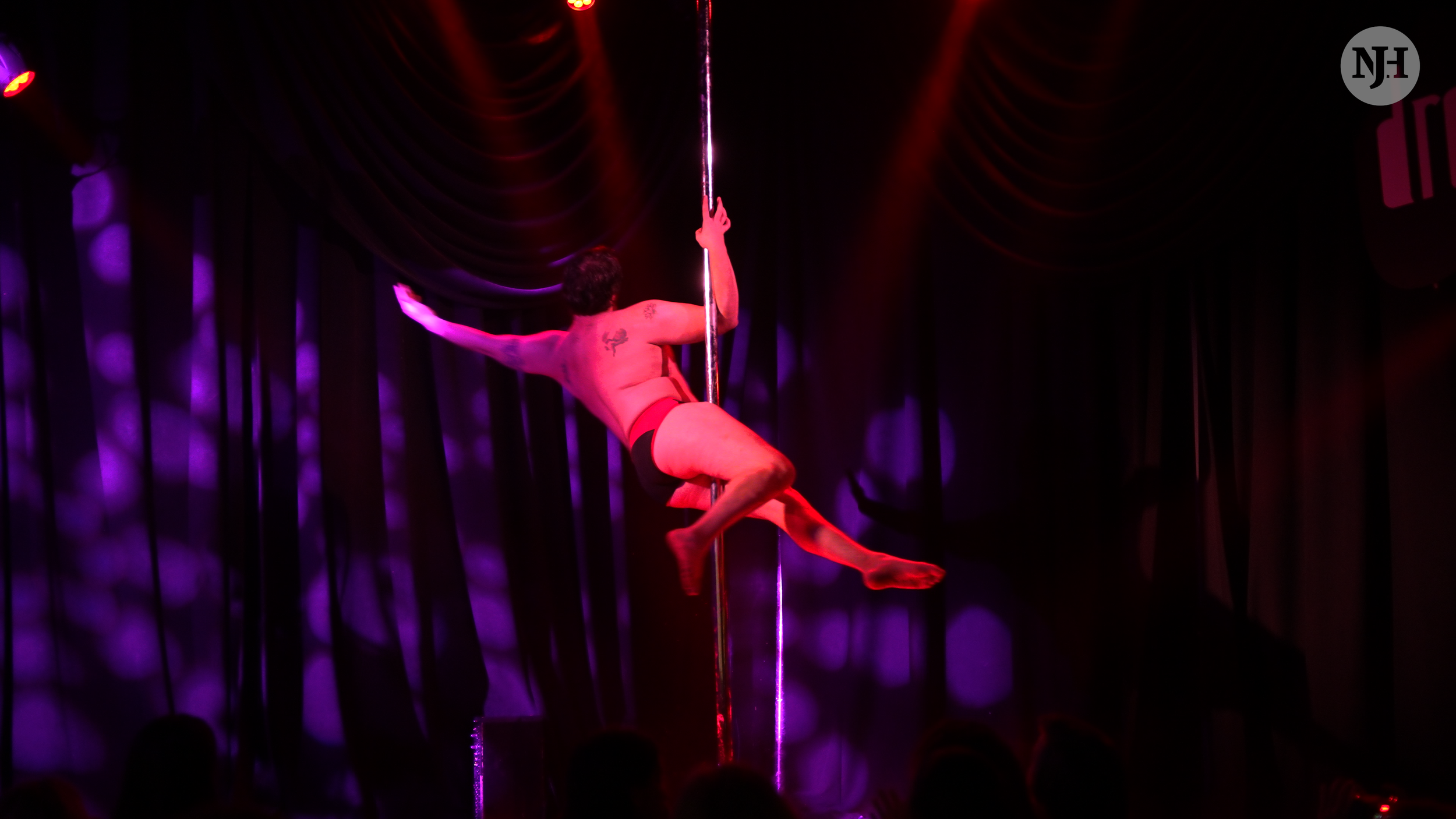
Pole Dancing

Roller Skating
Discover more of Jey’s breaking on Instagram @jeyprime87.