
Miniatures
blurb by Caitlin Belley
I've always really loved fantasy. I'd stay up late at night reading Harry Potter by flash light and watching the Lord of the Rings movies on repeat. Art has also been an important part of my life for as long as I can remember. Miniature painting is the perfect blend of these passions for me.
Being a bit neurospicy, my brain is a pretty busy and chaotic place. When I'm miniature painting, my brain is quiet. I'm not impacted by the stress of everyday life, I'm just focused on these tiny little details.

I think miniature painting has managed to hold my attention because there is so much freedom and creativity in the hobby. It's not just about painting, there's scene building and the ability to try working with so many different types of materials. Texture pastes, LEDs, resins, all fair game!
Some of my favorite miniature dioramas that I've built were made from stuff I've found in my yard. A fallen tree, some cool vines, rocks. It is always a bit funny to paint a rock to look like a rock.

One thing that's really surprised me about miniature painting was how supportive the community is. I live in a small town and I have two small children so all my painting is done at home. I'm not really able to join a group at a local games store at this point. There is a very active community on social media and I've met some really lovely people who have helped me to grow as a hobbyist. One time I was stuck on a piece that had gems stones. I just couldn't visualize how the light would interact with them and someone actually made a video for me to walk me through that step.
Getting started in miniature painting isn't complicated. I'd recommend starting by finding some miniatures you like the look of. They're pretty easy to find online or in a local game store and come in a wide variety of price range. Different companies also sell starter paint sets or just grab colors you enjoy. I didn't initially start out with a wet pallette. That took me some time to discover.
At first I used pallette paper from a craft store. I still don't use fancy brushes. You can get pretty far with a cheap set if you clean them. There are so many content creators who have step by step tutorials and product reviews. I have learned so much from just having painting videos playing in the background while I paint.
I have really found this hobby to be immensely satisfying. You can progress quickly as a painter if you take the time to practice. I'll never strip the paint off my first miniatures because its awesome to have that reminder of how far youve come. If you do take the hobby plunge, reach out! I always love helping a new painter.
—
Welcome to Miniature Painting
Miniature painting is a creative hobby centered around painting small-scale figures and scenes. These miniatures are often inspired by fantasy worlds, tabletop games, historical settings, or entirely original ideas. Even so, people make miniatures of real life room, buildings, or cities.
At its core, miniature painting is about control and detail. You’re working on a much smaller canvas than traditional painting, something that is also three dimensional, which means every brushstroke feels important and deliberate. At the same time, that also means less to paint overall!
The Tools and Figurines
Miniature painting looks equipment-heavy from the outside. Most images and clips you see are painters who have accumulated their collection of paints and brushes over years. To start, you don’t need much to begin.
A few acrylic paints
One or two small brushes
A surface to protect your table
A small cup of water and something to dry your brush
Over time, you may hear about additional tools like wet palettes, specialty brushes, lighting setups, magnifiers, texture pastes, or sculpting materials. These can be helpful, but they are not required to get started.
Then there’s actually choosing your figurines.
For beginners, it’s helpful to choose a figure with clear shapes and defined details. Strong edges and distinct features make it easier to understand where shadows and highlights naturally fall. Intricate, highly detailed figures can look impressive online, but they aren’t necessary for learning control and layering.
You don’t have to limit yourself to pre-made figures, either. Some hobbyists eventually modify miniatures by swapping parts, adjusting poses, or adding small sculpted details. Others build entire scenes from found materials — twigs, stones, bits of wire, scraps of foam — transforming everyday objects into tiny environments.
What matters most is that the figure or scene feels interesting to you. When you care about the subject, you’re more likely to slow down, experiment, and finish. Over time, the process of choosing, customizing, or building miniatures becomes part of the creative satisfaction itself.
Your First Tiny Strokes
It’s undeniably intimidating to make that first brush stroke. Online, you’ll see beautifully finished figures with smooth blends and dramatic lighting. It’s easy to assume you need years of artistic experience before even trying. And that a simple mistake derails any path to that perfection.
In reality, the first few miniatures are about learning how paint behaves at a small scale. You’ll likely use too much paint at first. Lines won’t be as precise as you imagined. Small details might blur together. That’s completely normal.
With each figure, your brush control improves. Whether you’ve decided to follow a tutorial for a figurine or going completely free hand, you begin to thin paint instinctively. You notice how layering creates depth. Progress is visible, and that visibility keeps many people engaged.
And something many miniature painters like is that a mistake is often easily fixed as covering it is a brush stroke away. In some cases, you can start entirely over unlike larger cousin forms of painting.
The Natural Growth
As you continue, miniature painting becomes less about copying tutorials and more about developing your own style. Color, texture, size are all variables you can tweak to your liking.
Some hobbyists move into larger dioramas. Others refine their precision on individual figures.
What tends to remain constant is the rhythm: sit down, focus in, improve slightly, repeat.
Miniature painting stays engaging because the learning curve never fully disappears. There’s always another technique to try, another small detail to refine, another creative idea to test at a tiny scale. And limitless amounts of figurines to try out.
Why People Stick With Miniature Painting
One of the strongest draws of miniature painting is focus. Because the scale is small, your attention narrows. The outside world quiets. You’re thinking about where the next highlight should go or how to bring contrast to a cloak.
There’s also a clear sense of progression. Your early figures might look simple, even rough. A few months later, you’ll notice smoother transitions, cleaner lines, and more confidence in color choices. Keeping those early miniatures becomes a reminder of growth. Caitlin herself found her improving rapidly in the beginning the more she kept trying to paint.
It’s also a way to bring the stories you love to life. Fantasy or table top games are great examples of experiences that have found themselves with extensions in the miniature hobby world.
No matter what keeps you painting, there’s always more to explore when you’re ready.
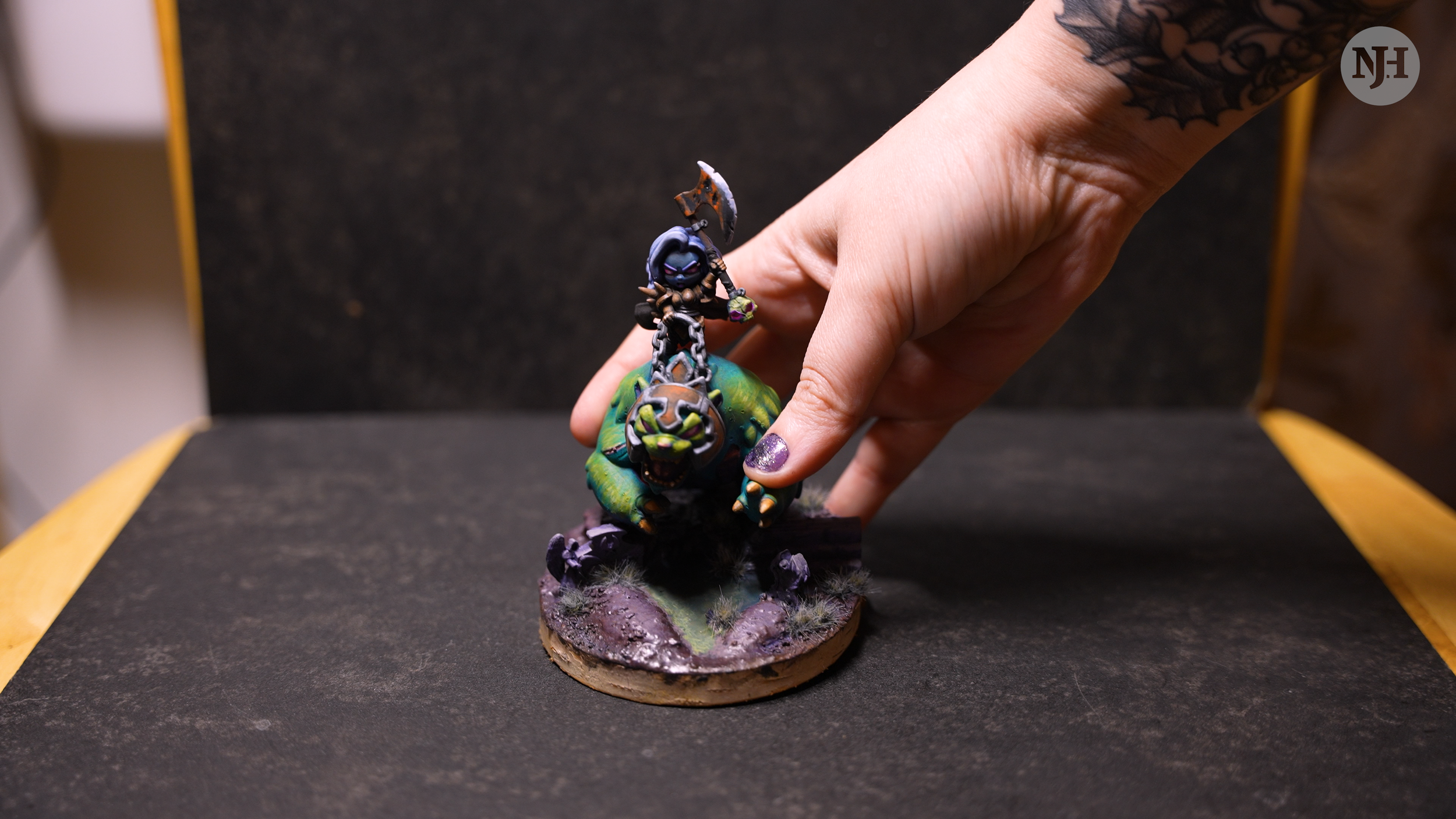


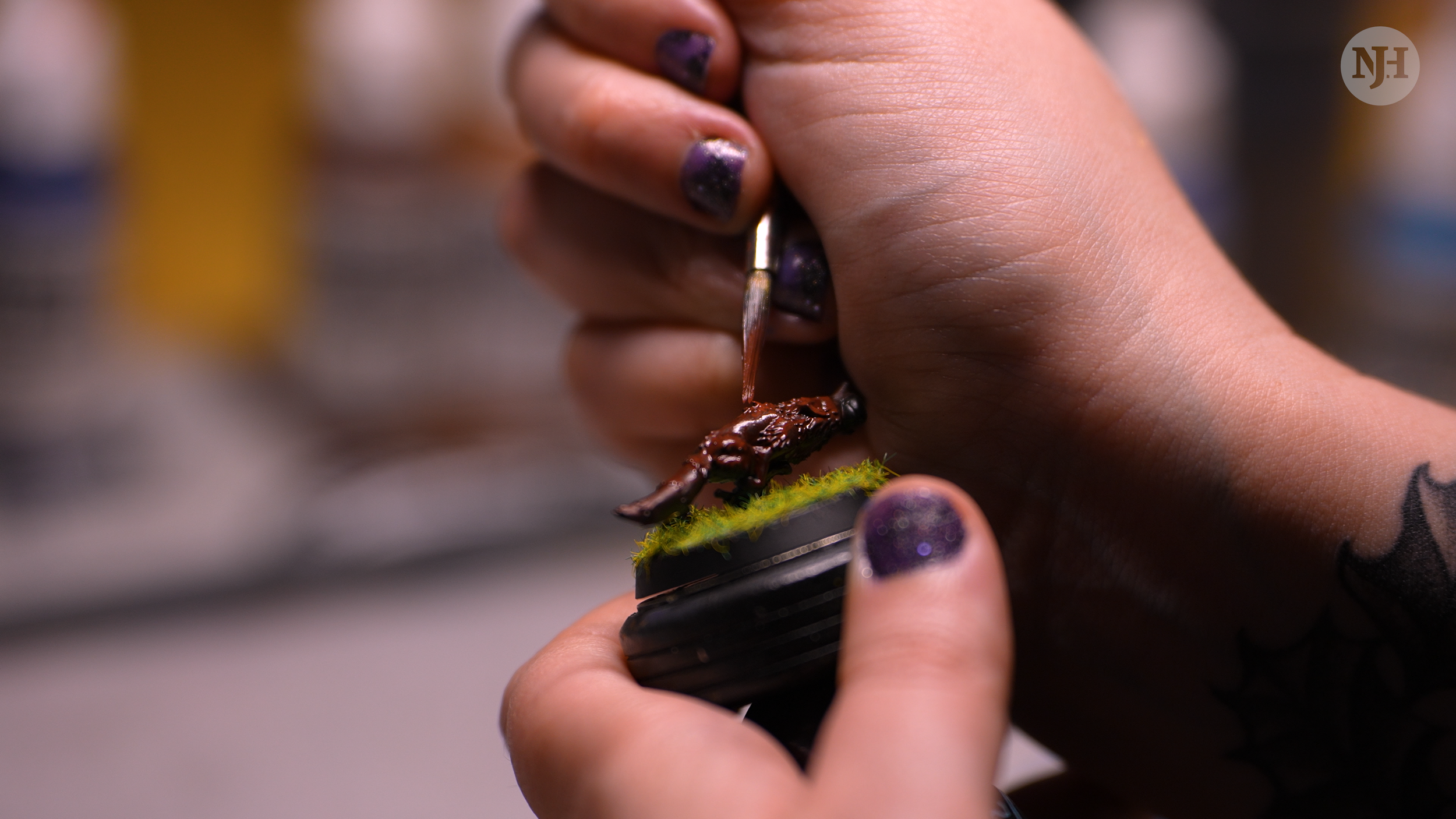


Your imagination
in miniature form
Miniature is a wide range of small sizes. So part of the journey is finding the size that feels best for you.
And unlike larger, traditional paintings, you’ll need less tools.
Because it’s all mini.
Discover more hobbies.
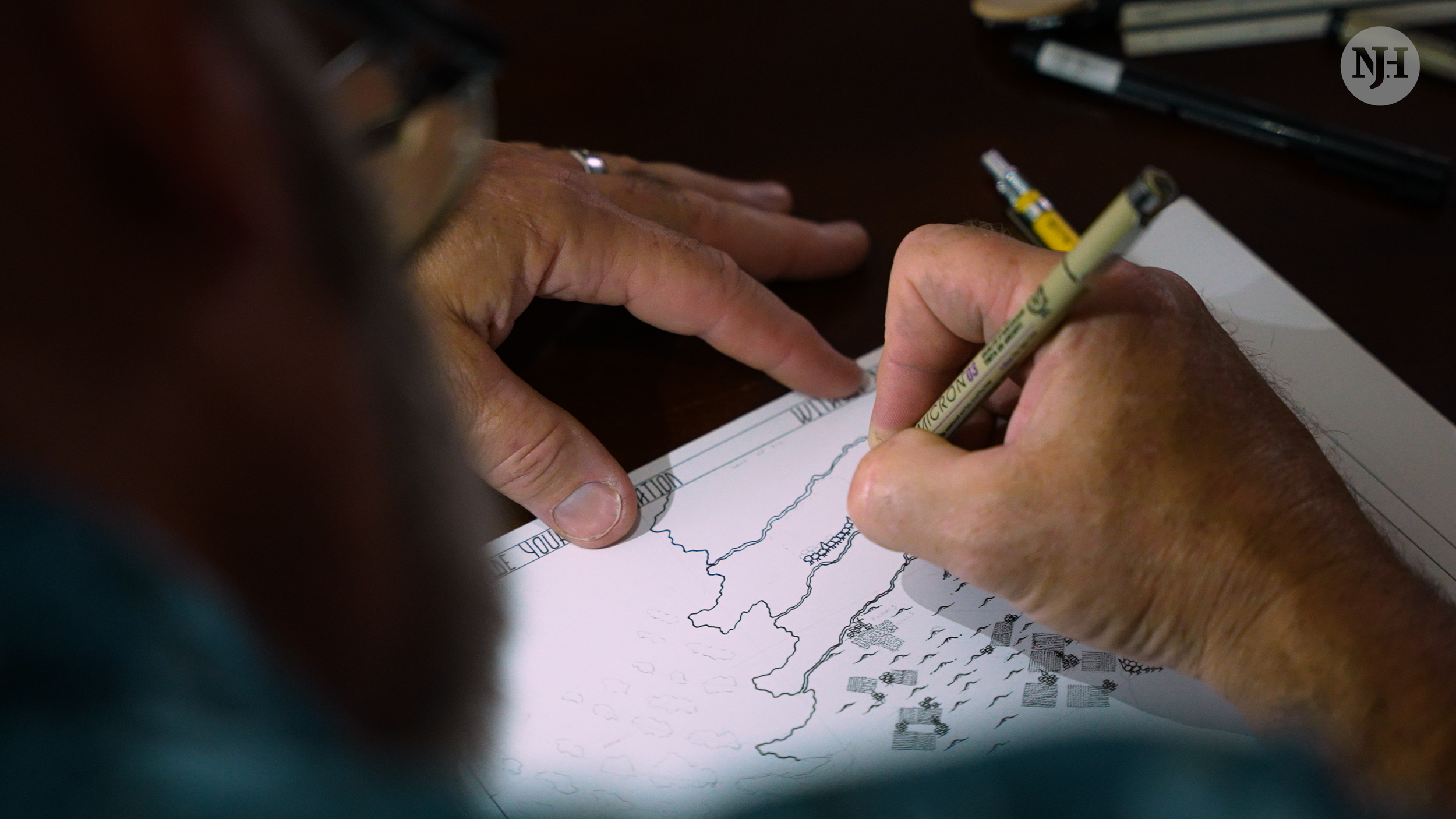
Fantasy Maps
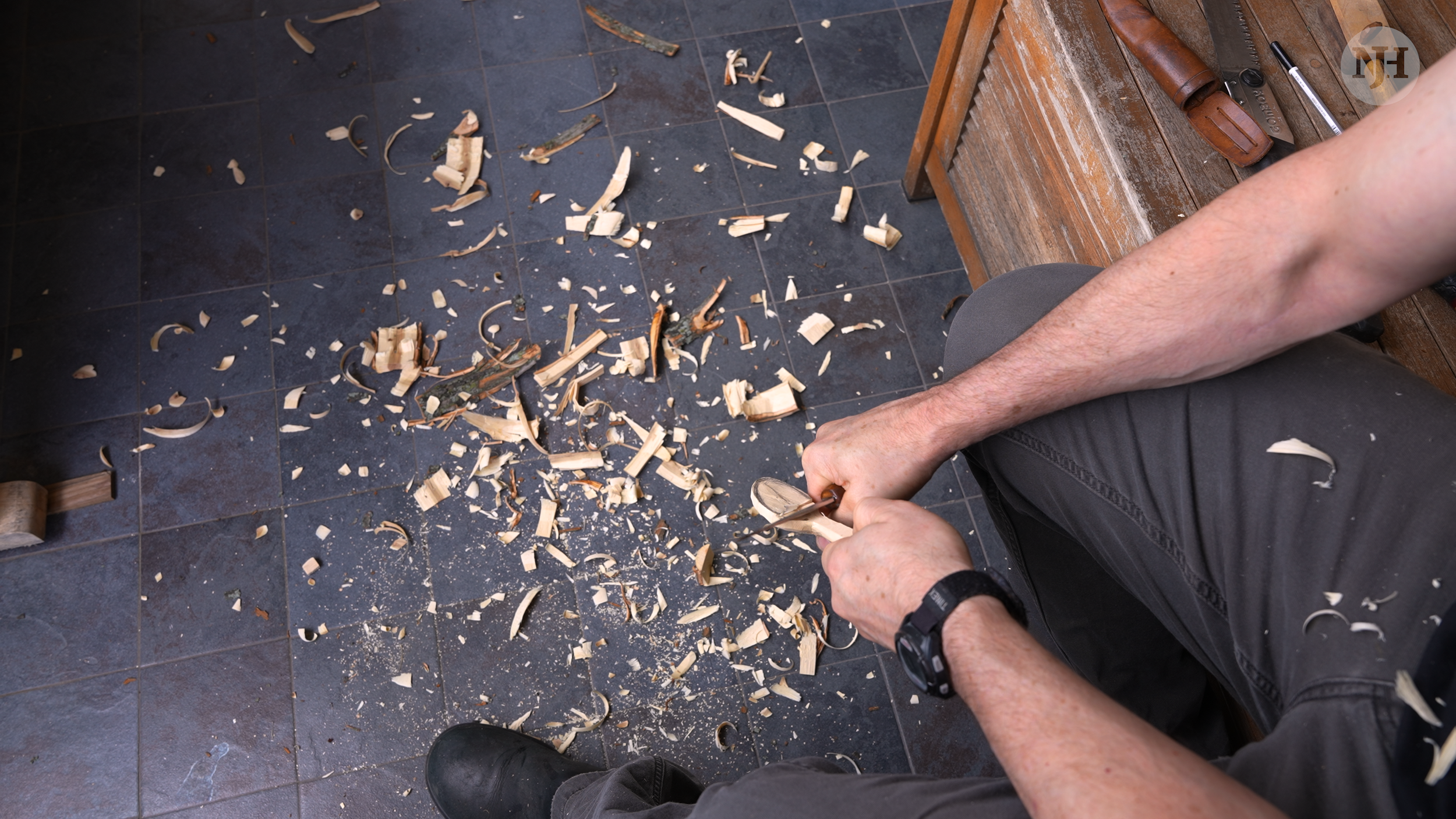
Woodcarving

Cosplay
Discover more of Caitlin’s Miniatures on Instagram @caits.mini.cache.