
Pole Dancing
Pole dancing is a strength-based movement dance hobby built around using a vertical pole to climb, spin, and transition between positions. It a unique art form that combines dance, bodyweight training, and controlled movement. It’s a performance as much as it is a work out.
From the outside, it can look intimidating. Advanced routines involve inversions, fluid transitions, and dramatic holds. But at its core, pole dancing begins with learning how to grip, stabilize, and move around the pole safely.
Doing the dramatic spins or hanging in the air all come later with practice.
Getting Started With Pole Dancing
You don’t need prior dance experience. You don’t need exceptional flexibility.
There’s also the stereotype of pole dancing being a sensual dance for people who consider themselves sensual. Pole dancing is for everyone and is an athletic art form that requires skin to be visible to make contact with the pole. You can approach it as a physical work out or a way to creatively express yourself.
Most beginners start in a studio with an instructor. This not only allows you to learn proper technique and build strength safely but it would be very surprising if you had a pole in your home. Studios often structure classes progressively, introducing new movements only when foundational strength is present. And to the point of poles, they are securely attached to the floor and ceiling. DIY poles in homes can be risky, especially for a beginner.
If a studio isn’t accessible, you’ll likely have to learn just floor work for now.
An important piece to mention here is to listen to your body. If something doesn’t feel right, you should stop and evaluate why it feels that way. You can learn at your own pace and while the class may continue, you can take a breather.
Tools and Gear
Comfortable athletic clothing that allows skin contact with the pole is typically recommended, as grip often relies on skin friction rather than fabric. As Yaki mentions, skin contact is practically mandatory. If you’re not quite ready to wear clothing that allows that in class, you can see if you can grab some solo time with the pole to get used to it. Advice here is that a vast majority of pole dancer use skin contact to do moves, it’s very much the norm.
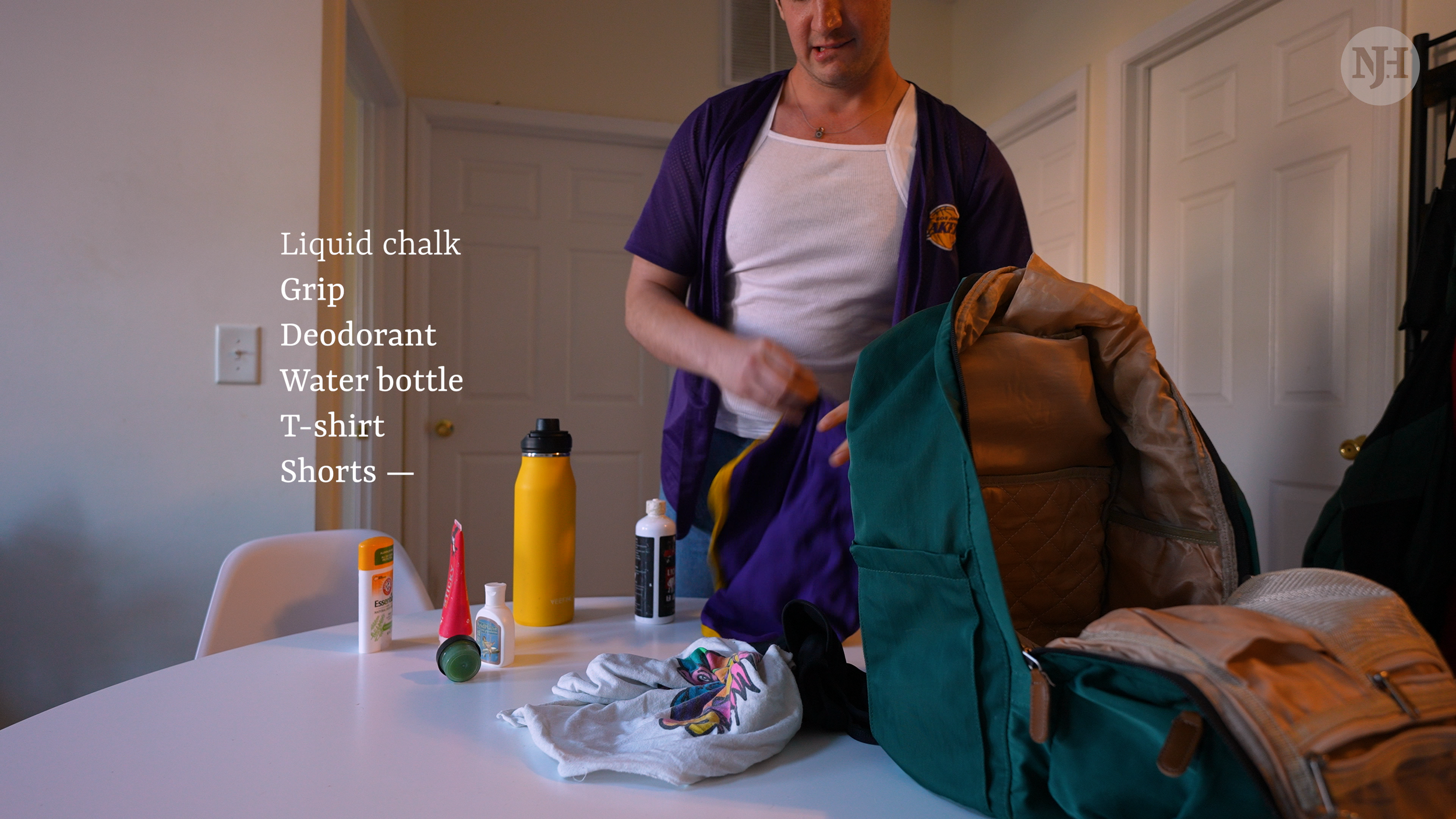
Additional accessories like liquid chalk and grip can help with certain contact with the pole.
Learning the Foundations
Foundations in pole dancing not only set you up success with advanced moves but is also critical for safety. While it’s inevitable that you’ll eventually fall and get right back up, minimizing that occurrence and having it occur safely is where mastering the foundations helps.
Before inversions and advanced tricks, you learn:
Proper hand placement
Shoulder engagement
Core activation
Controlled climbs
Basic spins
It will take time to confidently have these elements ingrained in your technique. However, once you feel ready, introducing elevated moves will come more naturally.
Floor Work
What’s less visible from the outside is the amount of movement that happens on the floor.
Floor work refers to transitions, shapes, and controlled movements performed at ground level. This can include kneeling transitions, low spins, shoulder rolls, leg extensions, and slow weight shifts that connect movements together.
For beginners, floor work is often one of the most approachable entry points. It allows you to focus on coordination, balance, and control without needing to lift your full body weight. You begin learning how to move intentionally and how to transition smoothly between positions.
Many pole dancing routines incorporate floor work and it’s a celebrated part to showcase your creativity. Floor work is very much a deep part of pole dancing, although the name of the hobby implies otherwise. It’s not only about height or strength. It’s also about fluidity and how movements connect.
Showcases and the Community
Many pole studios host occasional showcases where students can perform routines for friends, family, or other members of the studio. They are often structured to be a celebratory moment to show your growth in pole dancing and challenge yourself to design an entire routine with music.
Participation is optional but highly encouraged. There’s no award or competition, just an opportunity and self set goal.
What stands out in most pole communities is the encouragement. Students remember what it felt like to struggle with their first climb or first inversion. Your class and teachers will likely show up to support and it’s amazing to be in a room where everybody here has worked hard to improve.
It combines the classic joy of the journey and an actual end product you can say you completed.
Then there’s the next showcase to work towards!
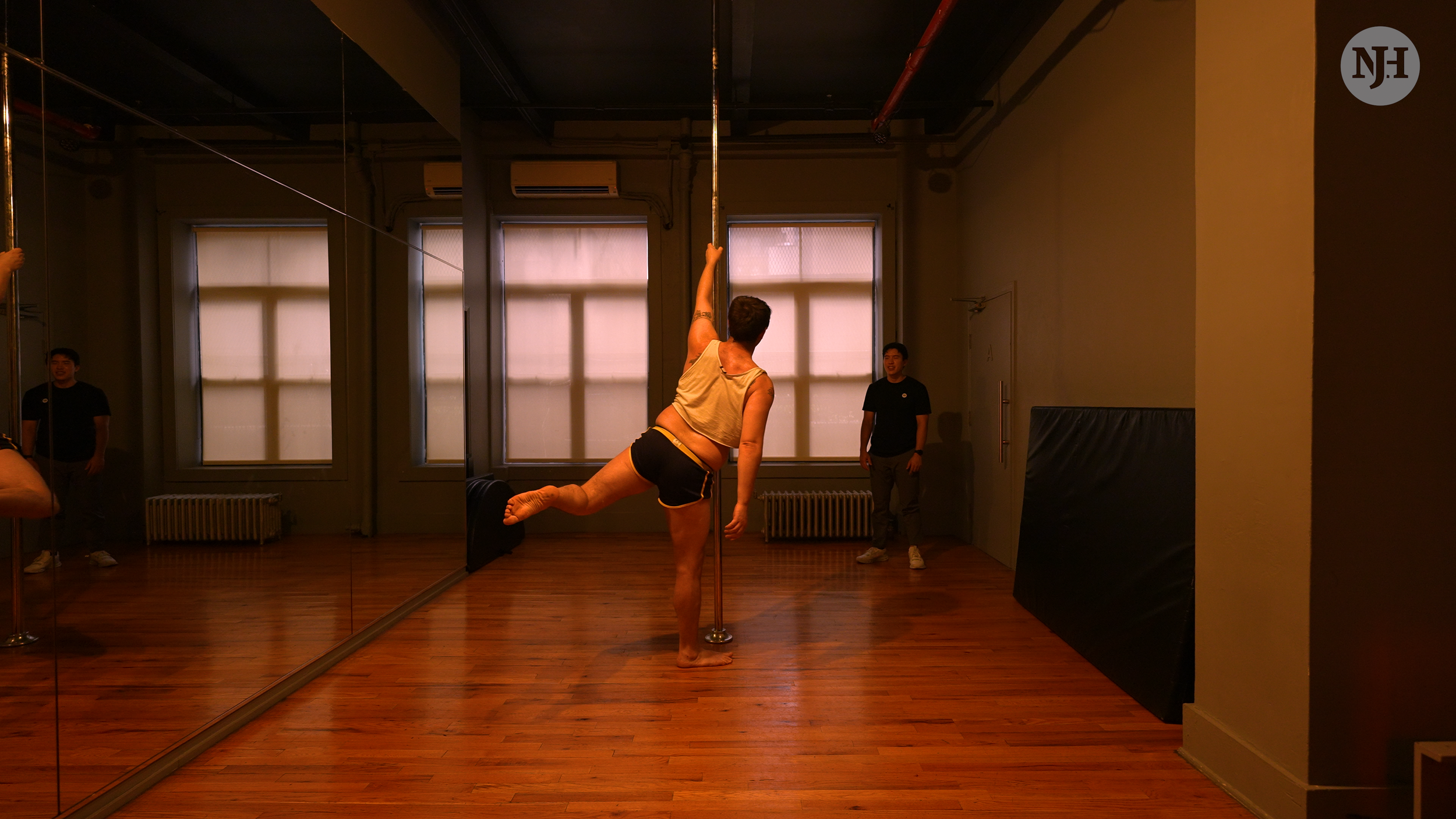
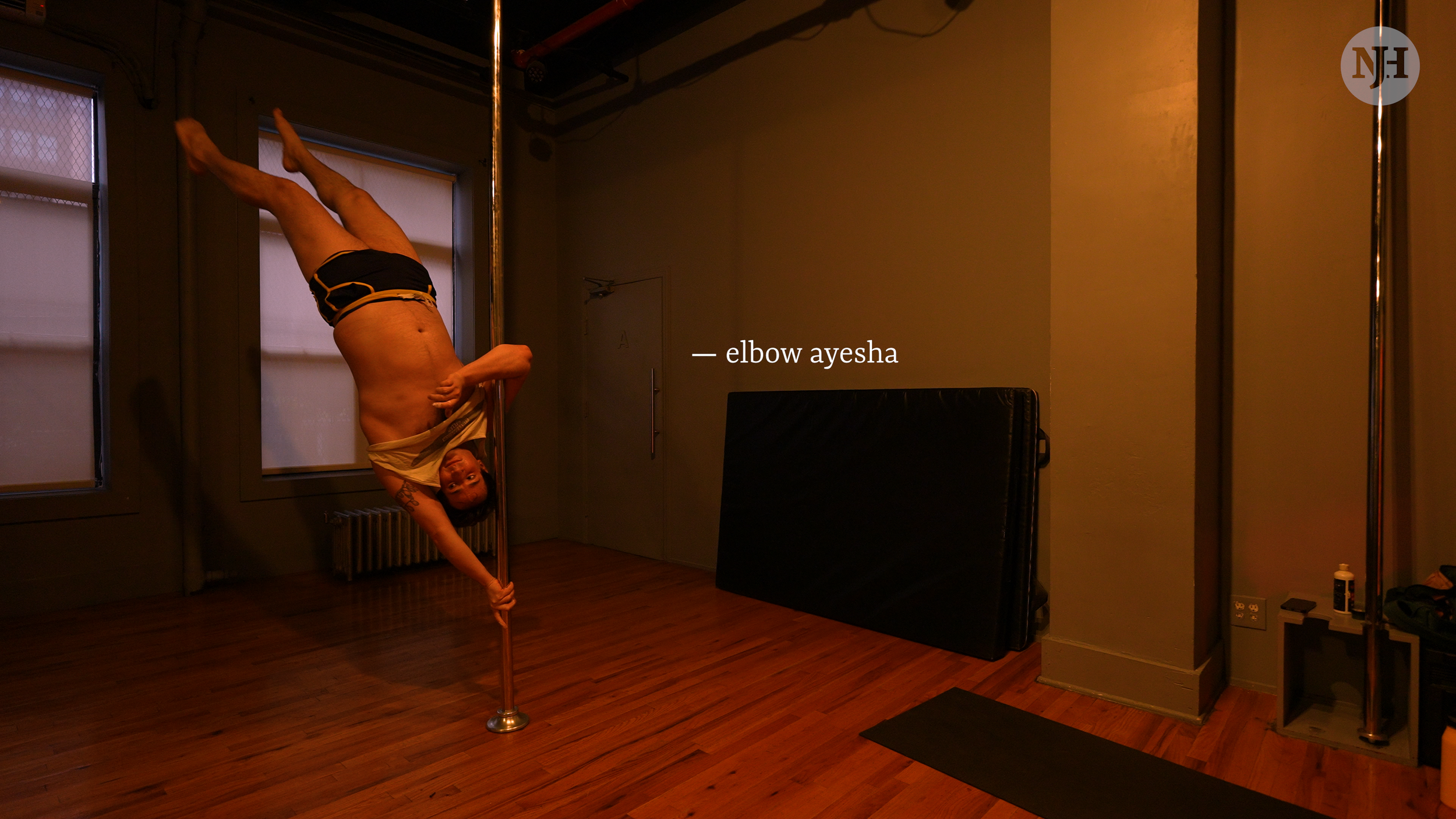
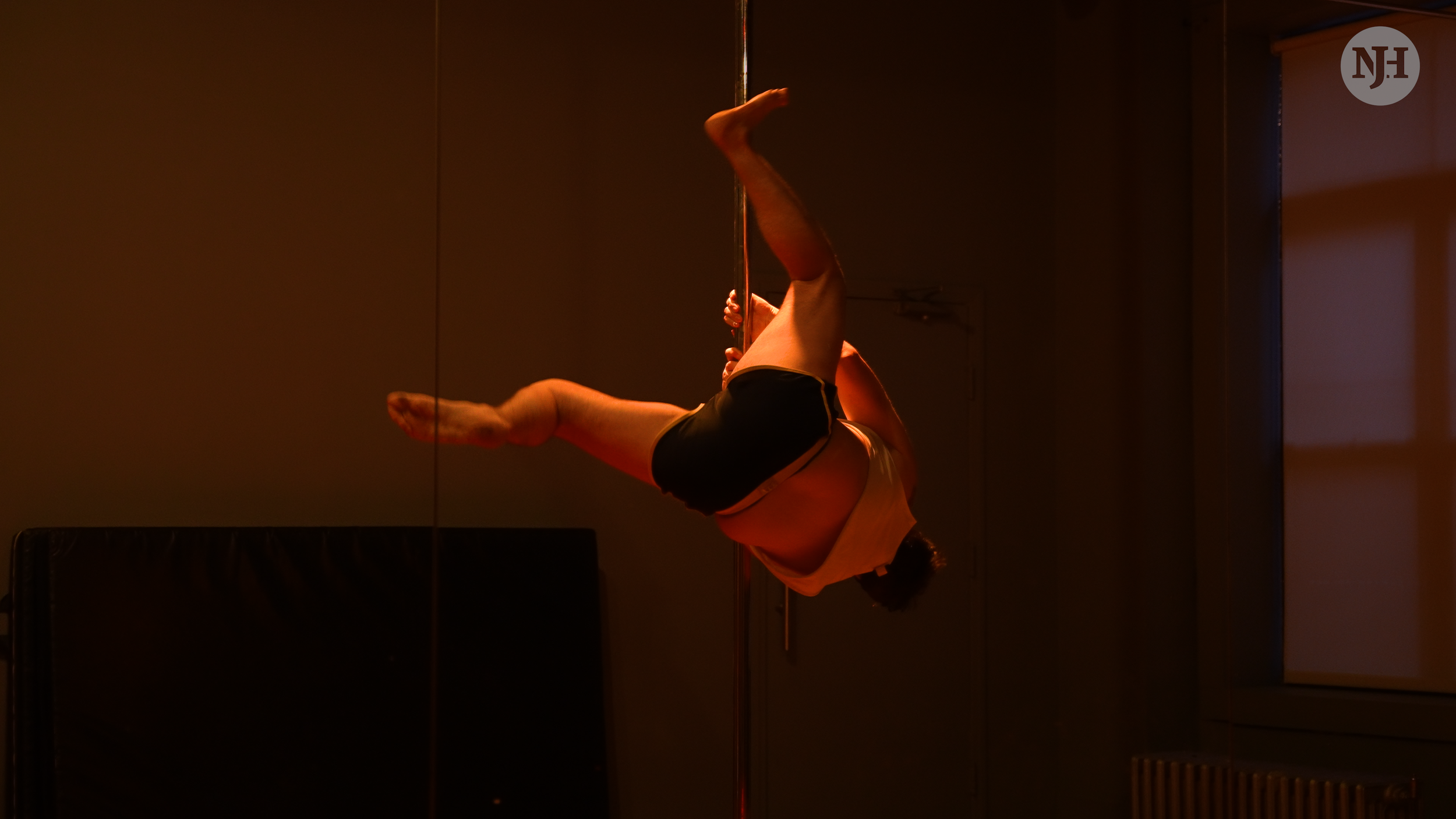
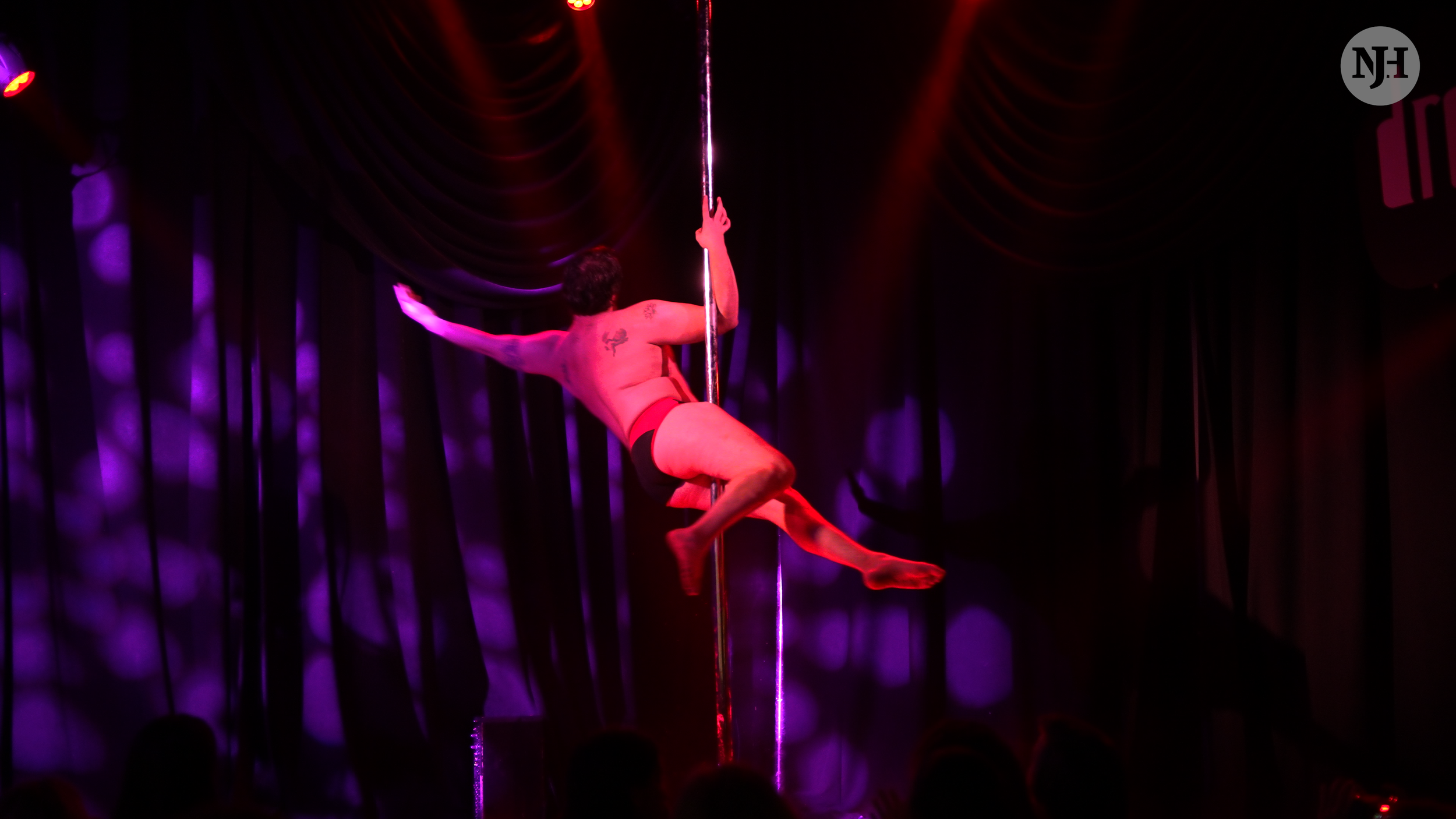
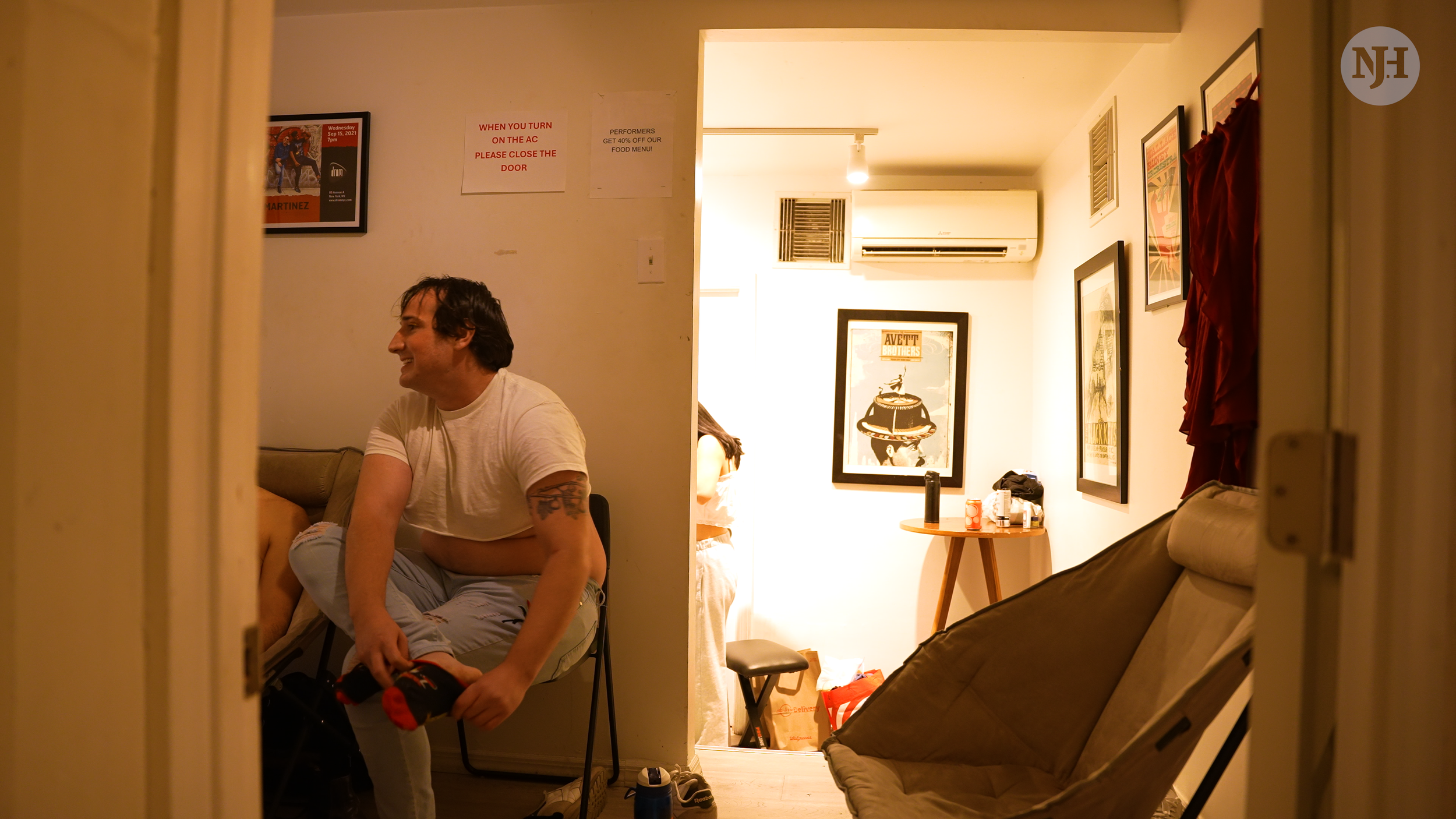
Up in the air,
in your element.
There’s the pole, then there’s you.
Pole dancing is an aerial art that is all about doing what you didn’t know you could and performing in a way that feels authentic to you.
It’s challenging but so rewarding. At the same time, incredible cool.
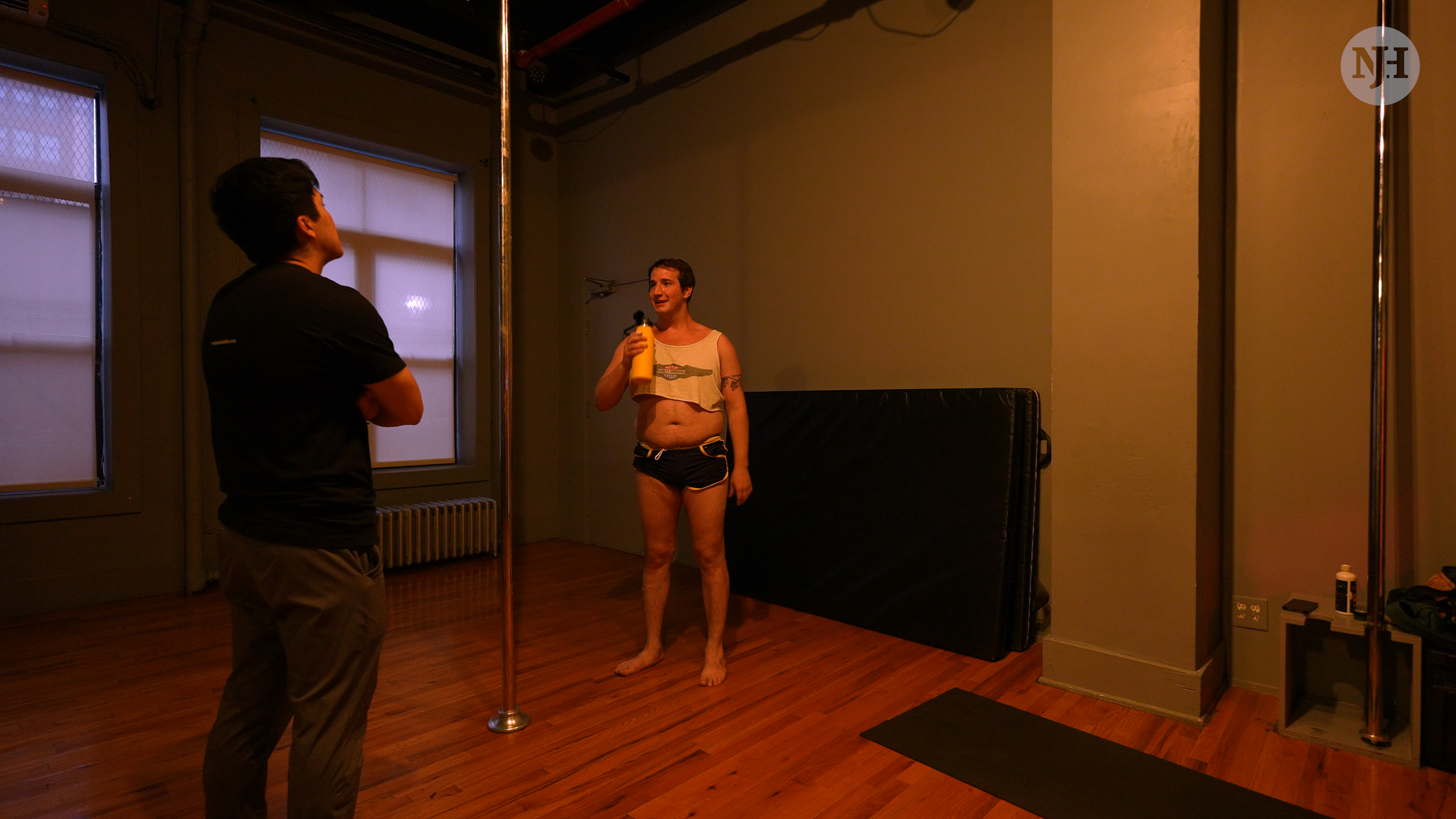
It’s hard at first
There’s no denying it.
You’ll be moving your body in ways you most likely haven’t before and using a tool, the pole, in a completely new way.
It’s this challenge that makes pole dancing stand out, you truly are learning an entirely new skill and doing what seems unbelievable at first.

Start with classes
Every pole dancer starts their journey with classes.
In these classes, they start from the very beginning and teach you how to properly get familiar with the pole and do the dance moves safely.
The instructor is there to answer any questions and give you hands on guidance.
Even the most experienced pole dancers continue to take classes as way to learn and try new things.
Performing Your Own Expression
If you want to journey further in doing pole dancing, you can put together a set for a performance.
Some studios do student showcases, an opportunity for you to put together all that you learn and perform it on stage.

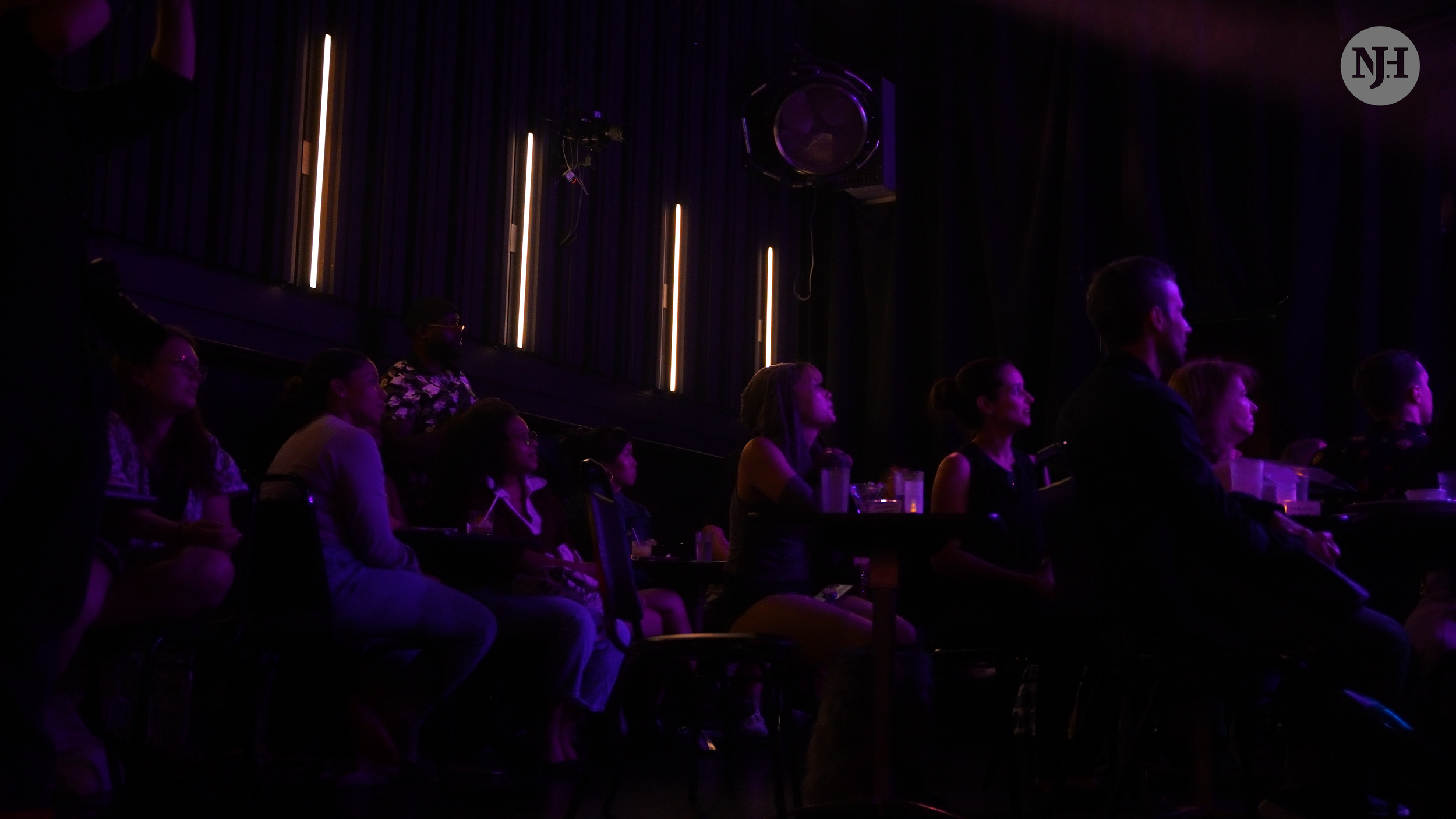
A thriving community
Learning pole dancing is a unique experience that builds a tight knit community.
It’s warm, inviting, and waiting for you.
Discover more hobbies.
Modern Dance

Breakdancing
Bouldering