
Archery
Archery is one of humanity’s oldest skills, but today it has become a modern hobby enjoyed by millions of people around the world. Whether your goal is recreational target shooting, hunting, Olympic competition, or simply finding a relaxing way to spend an afternoon outdoors, archery offers something for nearly everyone. Unlike many sports that require intense physical contact or expensive facilities, archery is all about patience, consistency, concentration, and personal improvement. Every shot is a new opportunity to refine your technique and challenge yourself.
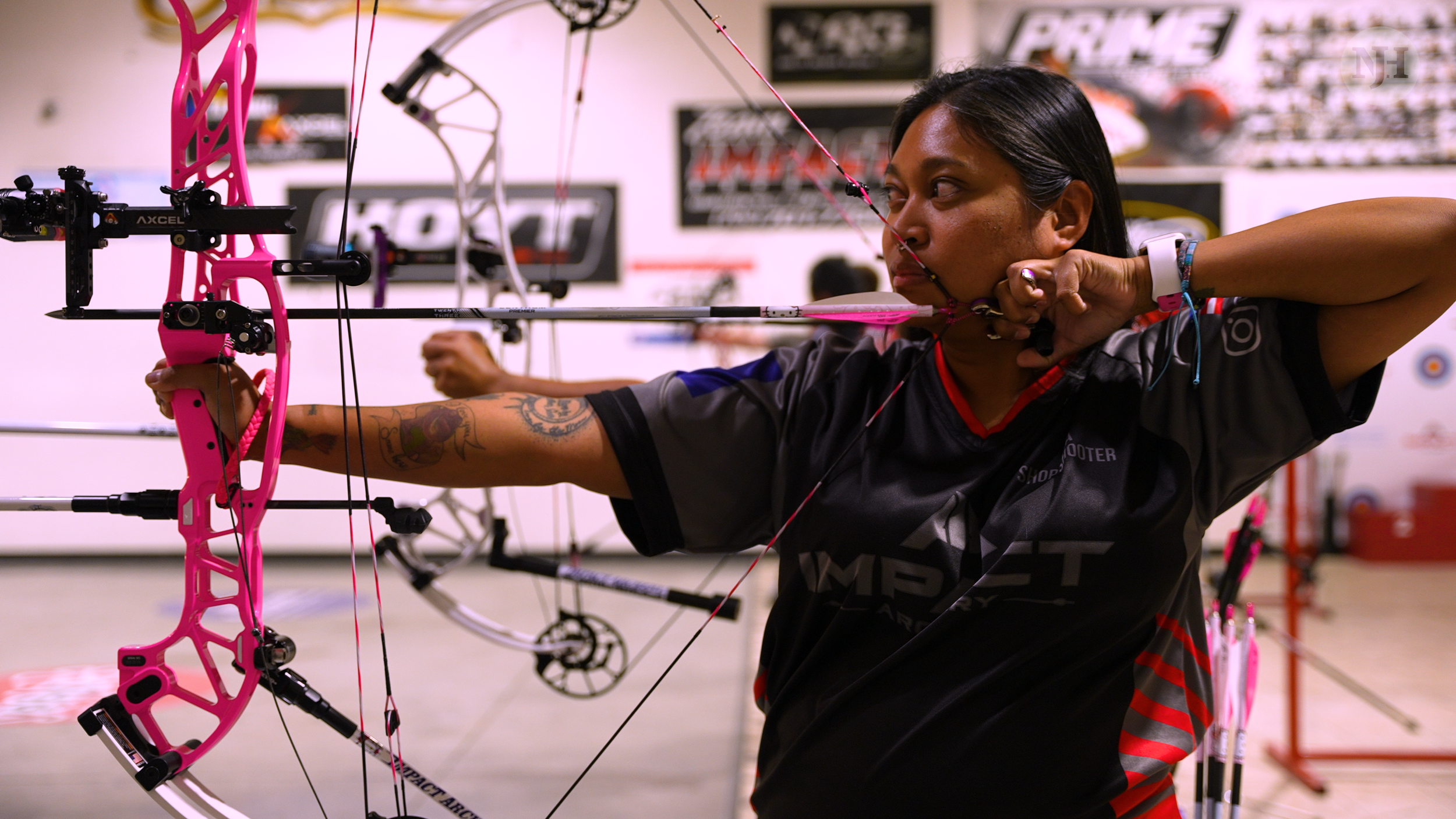
One of archery's greatest strengths is its accessibility. As highlighted in the accompanying video, people of virtually any age or physical ability can participate. Modern adaptive equipment has made the sport welcoming to individuals with disabilities, and Paralympic archers consistently demonstrate just how high the level of competition can be. Whether you are eight years old or eighty, shooting for fun or pursuing medals, there is a place for you in the archery community.

A Brief History of Archery
Before archery became a recreational pastime, it was an essential survival skill. Archaeological discoveries suggest bows and arrows have been used for at least 10,000 years, allowing early civilizations to hunt game and defend themselves. Throughout history, cultures across Europe, Asia, Africa, and the Americas developed their own distinctive bow designs, each adapted to local materials and hunting styles.
Military archery eventually became one of the world's most influential forms of warfare. English longbowmen famously dominated medieval battlefields, while horse archers from the Mongol Empire changed the course of history with their incredible mobility and precision. Even after firearms gradually replaced bows in combat, archery survived as both a traditional practice and a competitive sport.
The modern revival of archery began in the late 19th century, eventually leading to organized competitions, national governing bodies, and Olympic inclusion. Today the sport continues to grow through recreational clubs, youth organizations, professional tournaments, and pop culture, with movies and television introducing new generations to the excitement of shooting a bow. Beyond target shooting, bowhunting is also an important part of the sport in many regions. Modern hunters use specialized equipment and are generally expected to follow strict licensing requirements, seasonal regulations, and ethical harvesting practices that focus on responsible wildlife management and conservation.
Types of Bows
One of the first decisions new archers face is choosing a bow. Fortunately, there is not one "best" option. Each style offers a different shooting experience, and beginners get to choose which one suits their archery style best.
Recurve Bow
For many people, the recurve bow feels like a very "traditional" style of archery. The recurve is that classic image of an archer relying on skill, technique, and a relatively simple bow rather than modern mechanics. Its curved limb tips store more energy than a traditional straight bow, allowing arrows to travel faster while having a relatively simple design.
Recurve bows are highly versatile and excellent for beginners because they use the shooting fundamentals. Many introductory classes use recurve equipment, making it easy to find instruction and replacement parts.
Longbow
The longbow is the most iconic traditional bow. With its tall, simple design and lack of modern accessories, shooting a longbow is about instinctive technique and historical tradition rather than technology.
Many traditional archers appreciate the simplicity of the longbow. There are no sights, stabilizers, or release aids. There is just the archer, the bow, and the target.
Compound Bow
Invented in the late 1960s, compound bows use cables and cams to dramatically reduce the amount of weight held at full draw. This "let-off" allows archers to aim steadily while maintaining their power.
Compound bows dominate many target competitions and are especially popular among hunters. Because they incorporate mechanical systems, they require periodic tuning and maintenance, but they reward shooters with exceptional accuracy once properly adjusted.
Traditional and Horse Bows
Many cultures developed shorter, highly efficient bows for horseback use. These traditional bows are still popular today among enthusiasts who enjoy historical archery or instinctive shooting styles.
Traditional archery is about the experience as much as the score. Many shooters enjoy the craftsmanship of wooden bows, handcrafted arrows, and historical shooting styles that connect them with centuries of archery tradition.
Essential Archery Equipment
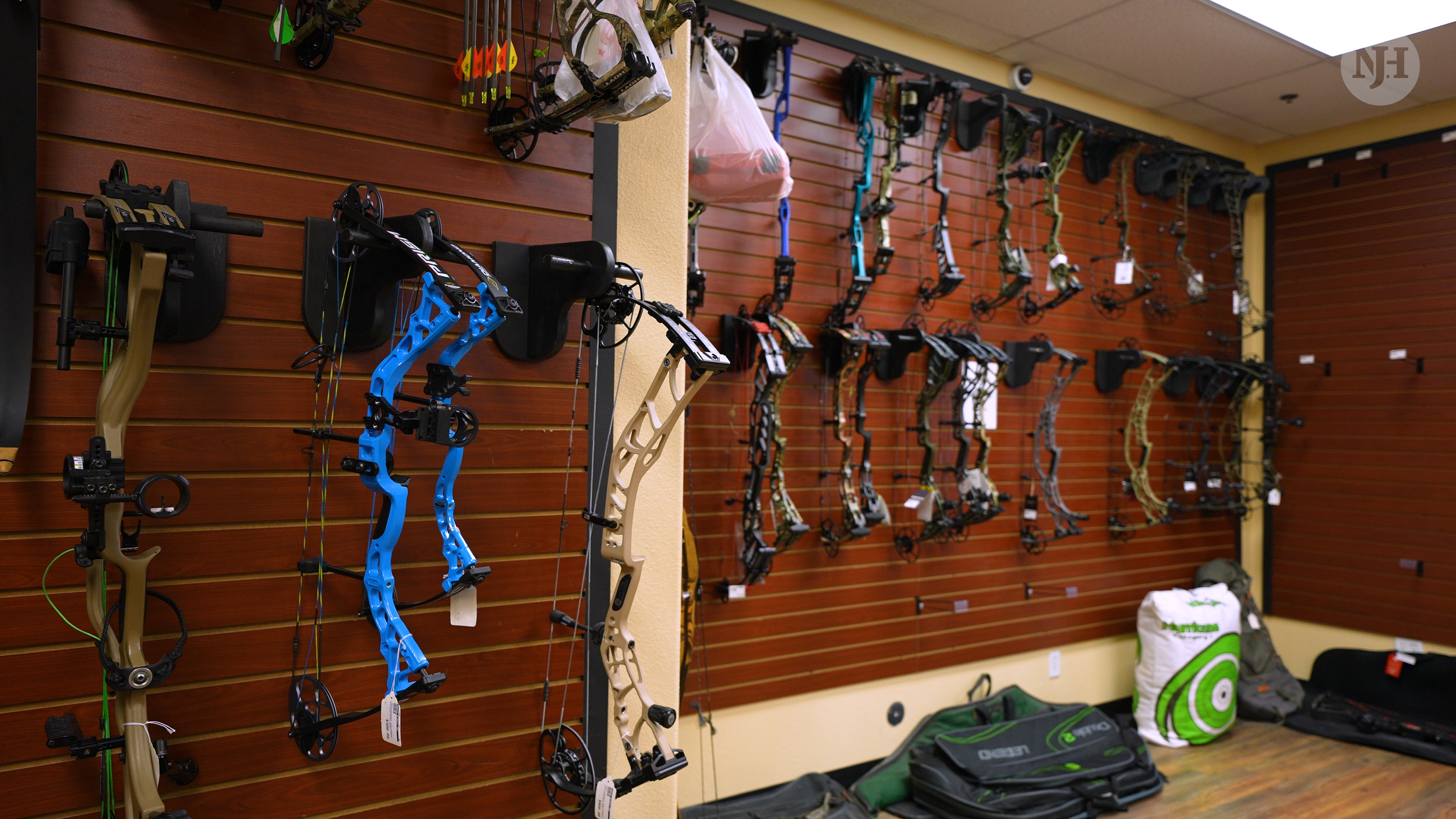
Unlike many sports, archery beginners do not need to purchase everything immediately. Most ranges and pro shops rent equipment or provide starter packages that allow newcomers to try archery before making a larger investment.
A basic beginner setup typically includes:
Bow
Arrows matched to the bow's draw weight
Arm guard
Finger tab or shooting glove
Quiver
Target points
Bow stringer (for traditional and recurve bows)
As skills improve, many archers add accessories such as sights, stabilizers, release aids, rangefinders (for hunting), bow cases, and specialized targets.
One of the biggest mistakes beginners make is purchasing equipment without guidance. Visiting a local pro shop allows experienced staff to measure draw length, recommend appropriate draw weight, and ensure equipment fits comfortably. As mentioned in the accompanying video, choosing equipment that matches your body, goals, and budget creates a much more enjoyable introduction to the sport.
Archery Safety
Safety is the foundation of every successful archery range. While bows are sporting equipment, they launch projectiles at high speeds and must always be treated with respect.
Common range rules include:
Never point a bow at another person.
Only nock an arrow while standing on the shooting line.
Never draw a bow without an arrow unless specifically instructed.
Wait until everyone has finished shooting before retrieving arrows.
Listen carefully to range commands.
Always inspect equipment for damage before shooting.
Archers also learn proper arrow removal techniques to avoid injury and prevent damage to equipment. Most clubs spend considerable time teaching safety before allowing new shooters to participate independently.
Fortunately, organized archery has an excellent safety record because these procedures become routine. Everyone on the range shares responsibility for maintaining a safe environment.
Indoor vs. Outdoor Archery
Both indoor and outdoor archery offer rewarding experiences, but they have very different challenges.
Indoor Archery
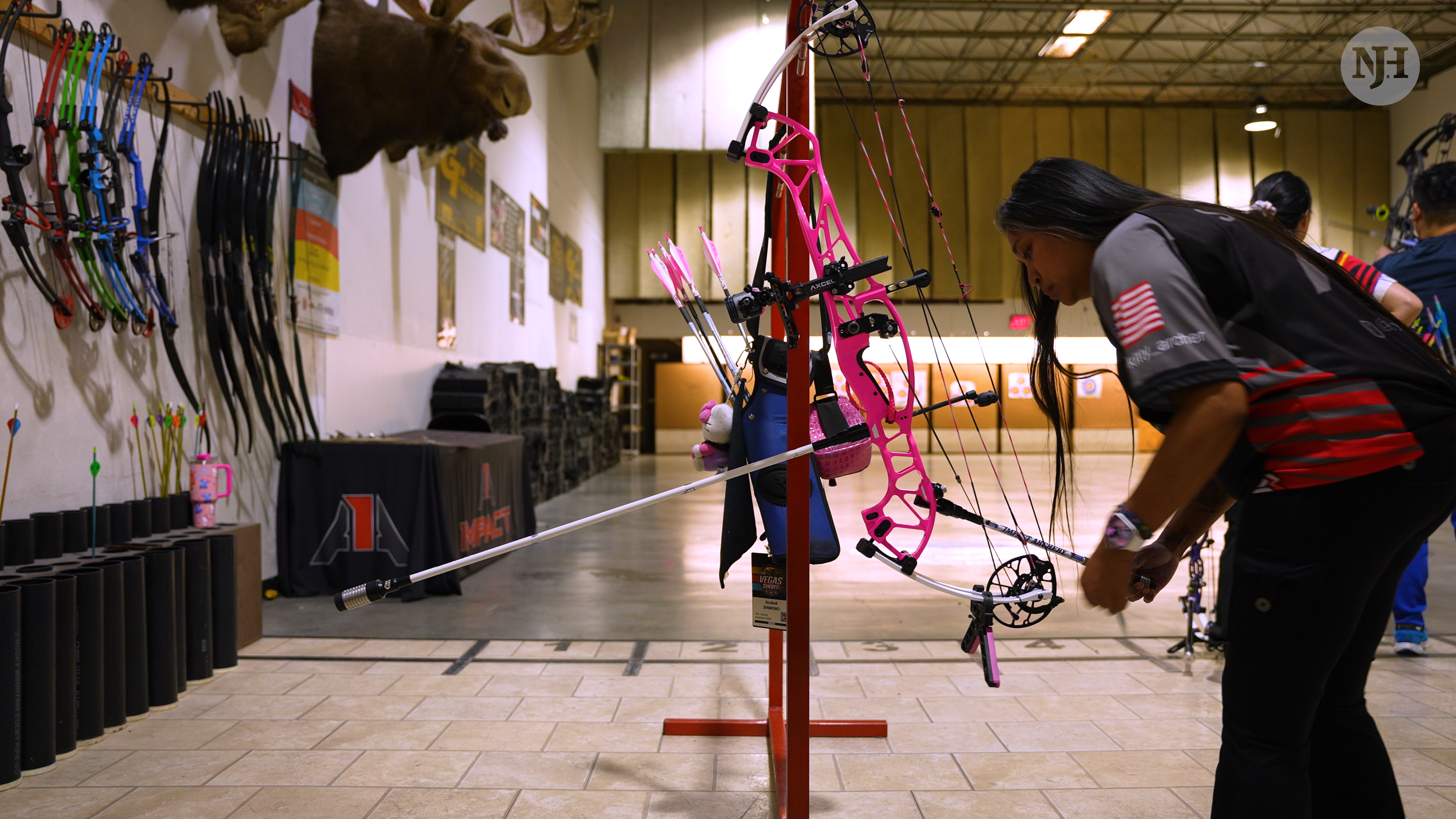
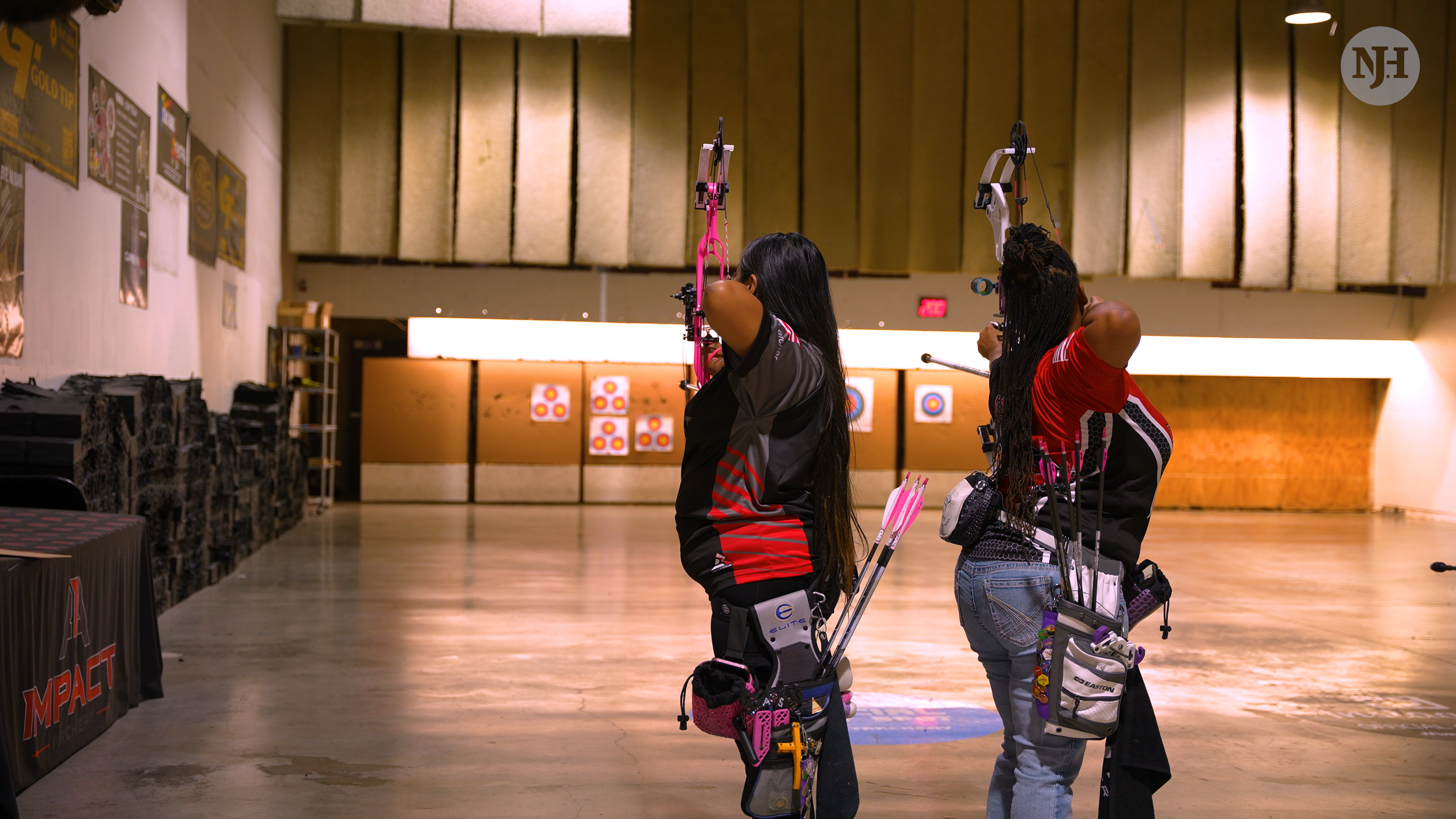
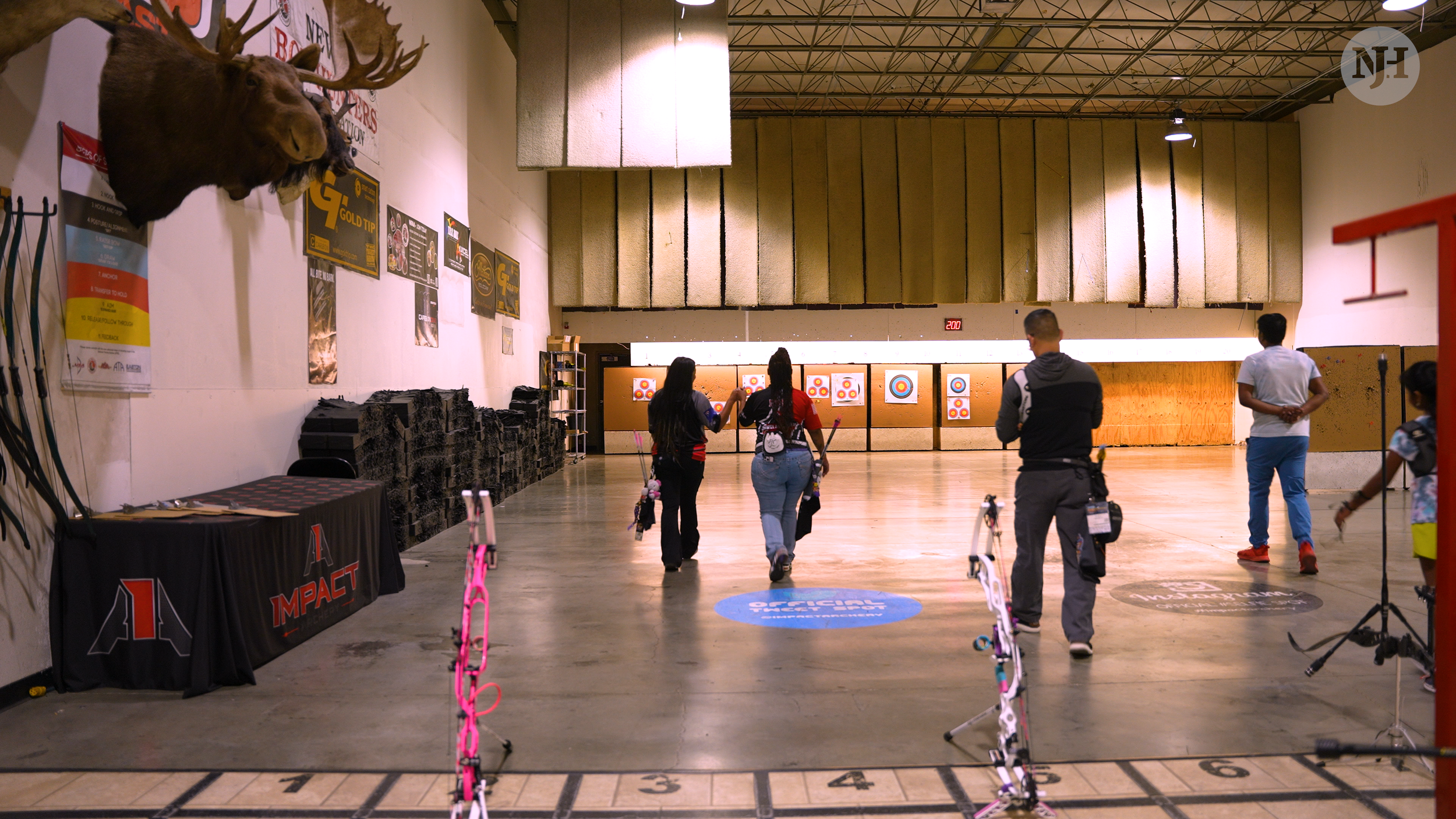
Indoor ranges typically have shorter distances, often 18 meters (approximately 20 yards), and controlled environments free from wind, rain, or changing lighting conditions.
Because conditions are consistent, indoor shooting places greater focus on refining technique. Tiny improvements in form become much more noticeable, making indoor practice ideal for beginners learning proper mechanics.
Indoor ranges also make archery a year-round hobby regardless of climate.
Outdoor Archery
Outdoor ranges introduce environmental variables that require additional skill. Wind, uneven terrain, sunlight, temperature, and longer shooting distances all affect arrow flight.
Many outdoor target competitions have distances ranging from 30 to 70 meters, while field archery incorporates varying elevations and natural landscapes that simulate real-world conditions.
For many archers, outdoor shooting offers a relaxing connection with nature that enhances the experience beyond simply hitting the center of the target.
Archery Disciplines
Archery includes a lot more than Olympic target shooting.
Target Archery focuses on accuracy using standardized distances and circular targets.
Field Archery takes place along woodland courses with targets positioned at varying distances and elevations.
3D Archery uses lifelike foam animal targets to simulate hunting scenarios without involving live animals.
Traditional Archery is all about instinctive shooting using longbows, horse bows, or traditional recurves with minimal accessories.
Bowhunting combines archery skills with wildlife management and hunting regulations. Hunters must practice extensively because ethical harvesting requires exceptional shot placement.
Trying different disciplines is one of the best ways to discover which style of archery is most enjoyable for you.
Joining an Archery Club
If you are new to archery, it's best to begin at a local club or range where experienced instructors can teach proper technique and safety. As you become more comfortable with the sport, you may choose to practice on your own at appropriate, safe locations.
Clubs provide structured instruction, safe practice facilities, organized leagues, equipment advice, and experienced coaches who can quickly correct small mistakes before they become bad habits. Many also maintain loaner equipment, reducing the cost of getting started.
Even more importantly, clubs create community.
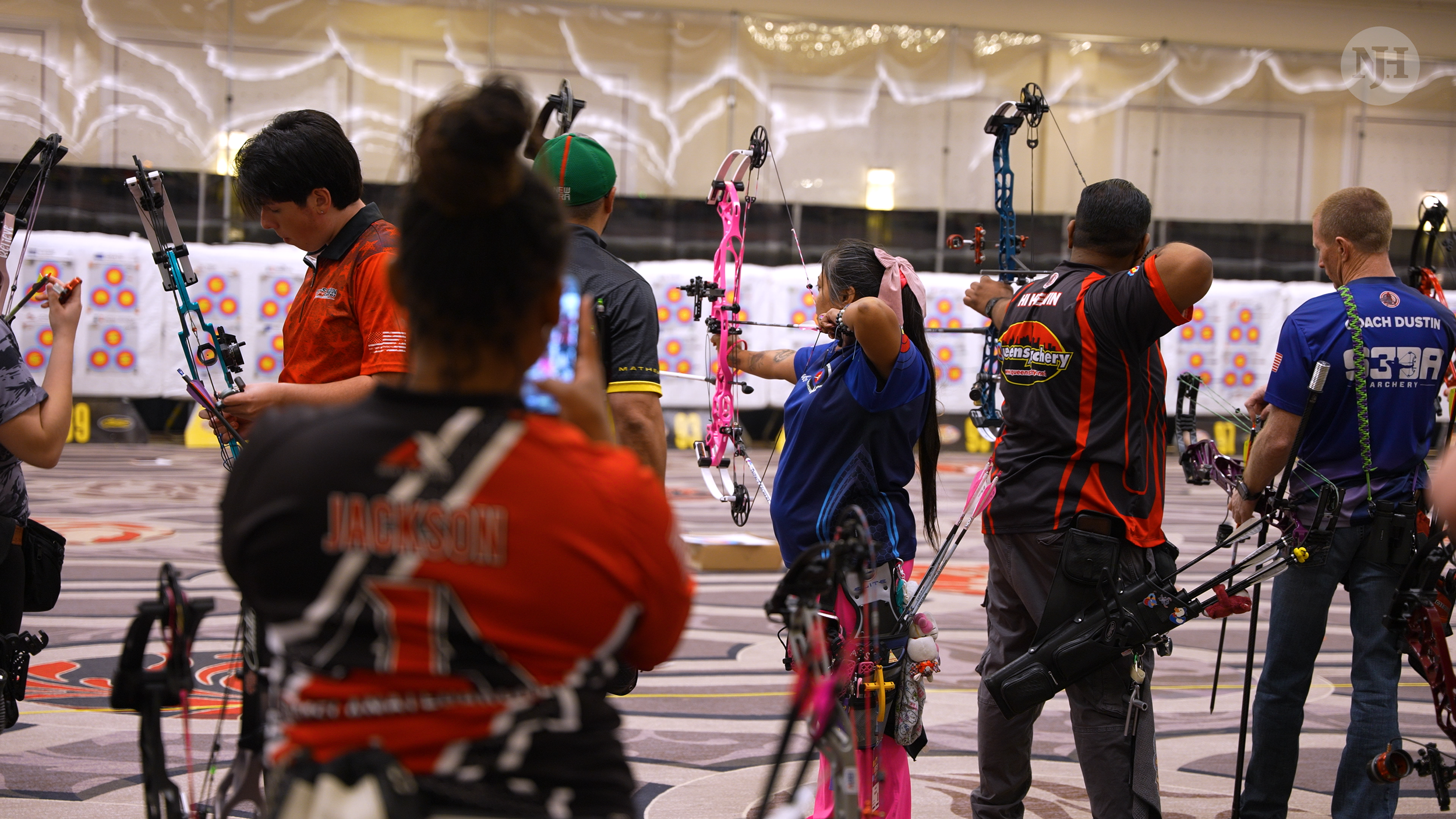
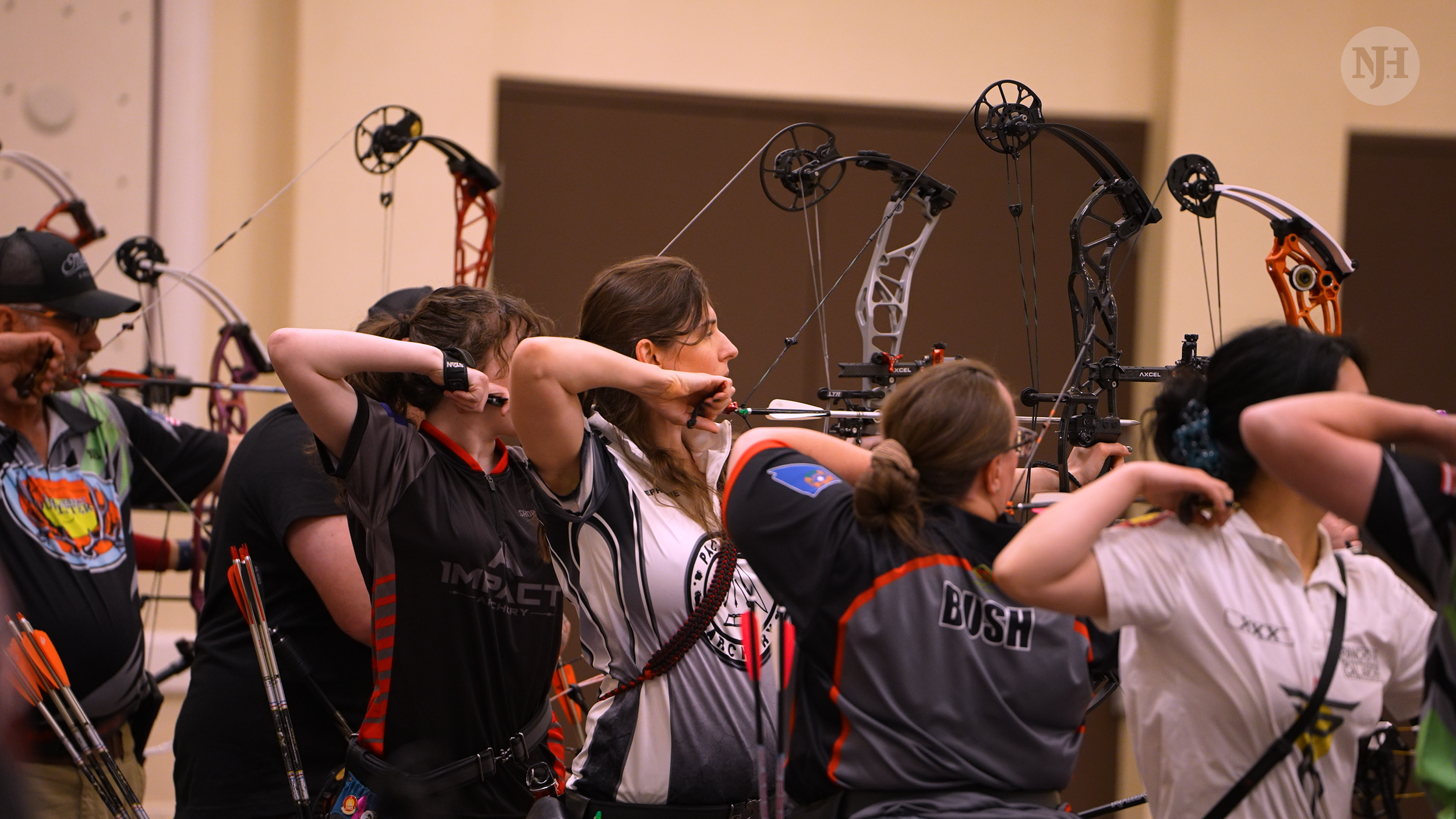
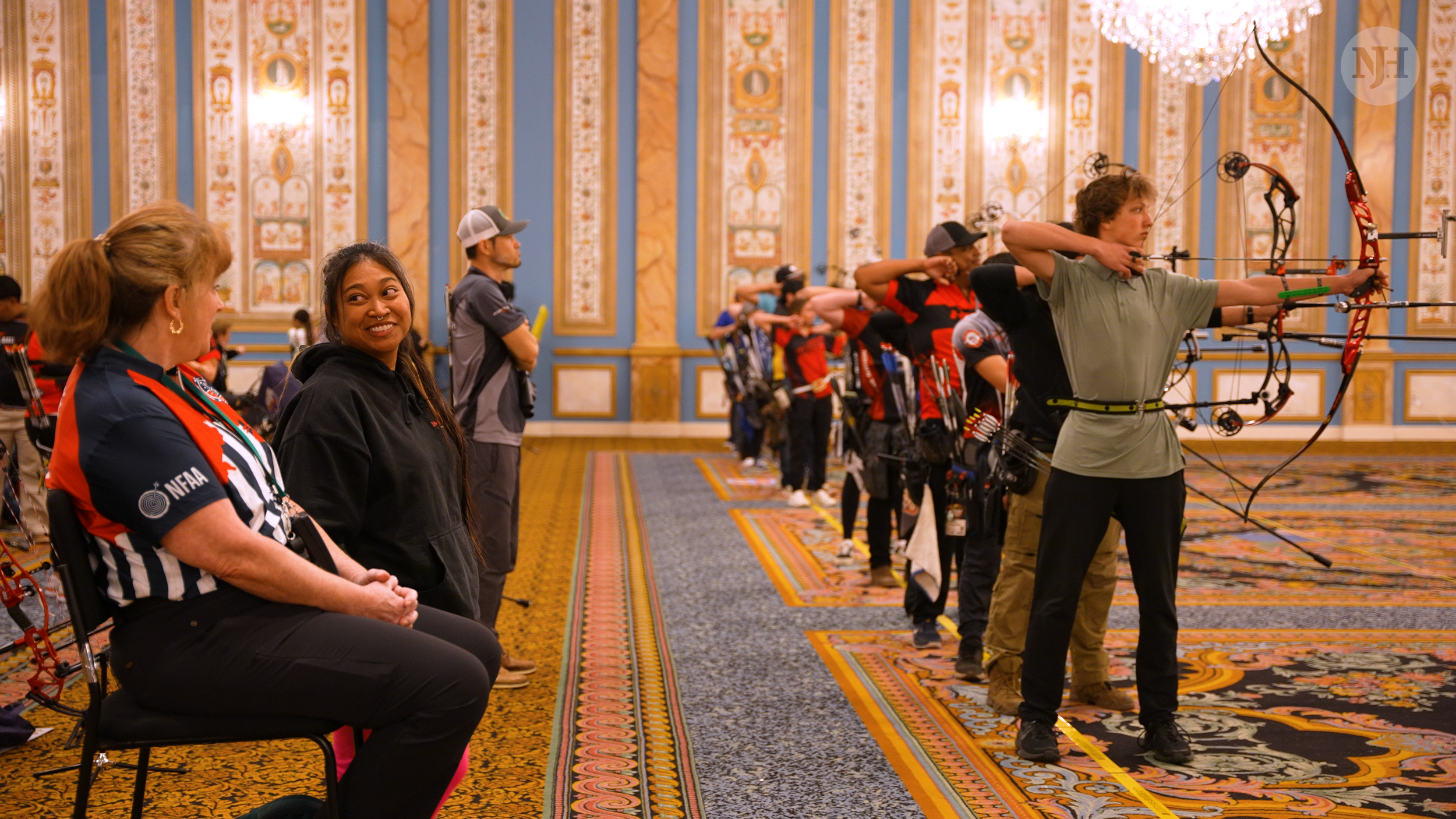
The accompanying video shows one of the most commonly repeated experiences among longtime archers: the friendships. Whether attending weekly league nights, volunteering at tournaments, or simply spending time on the practice range, archers often describe the community as one of the hobby's greatest strengths. Experienced members are typically eager to help newcomers improve, answer questions, and celebrate personal milestones, regardless of score.
Many clubs also host beginner classes where participants can safely try different bows before deciding what equipment best suits them. Some great places to start looking for an archery club are Legendary Archery, USA Archery, and the NFAA (National Field Archery Association.)
Archery Competitions
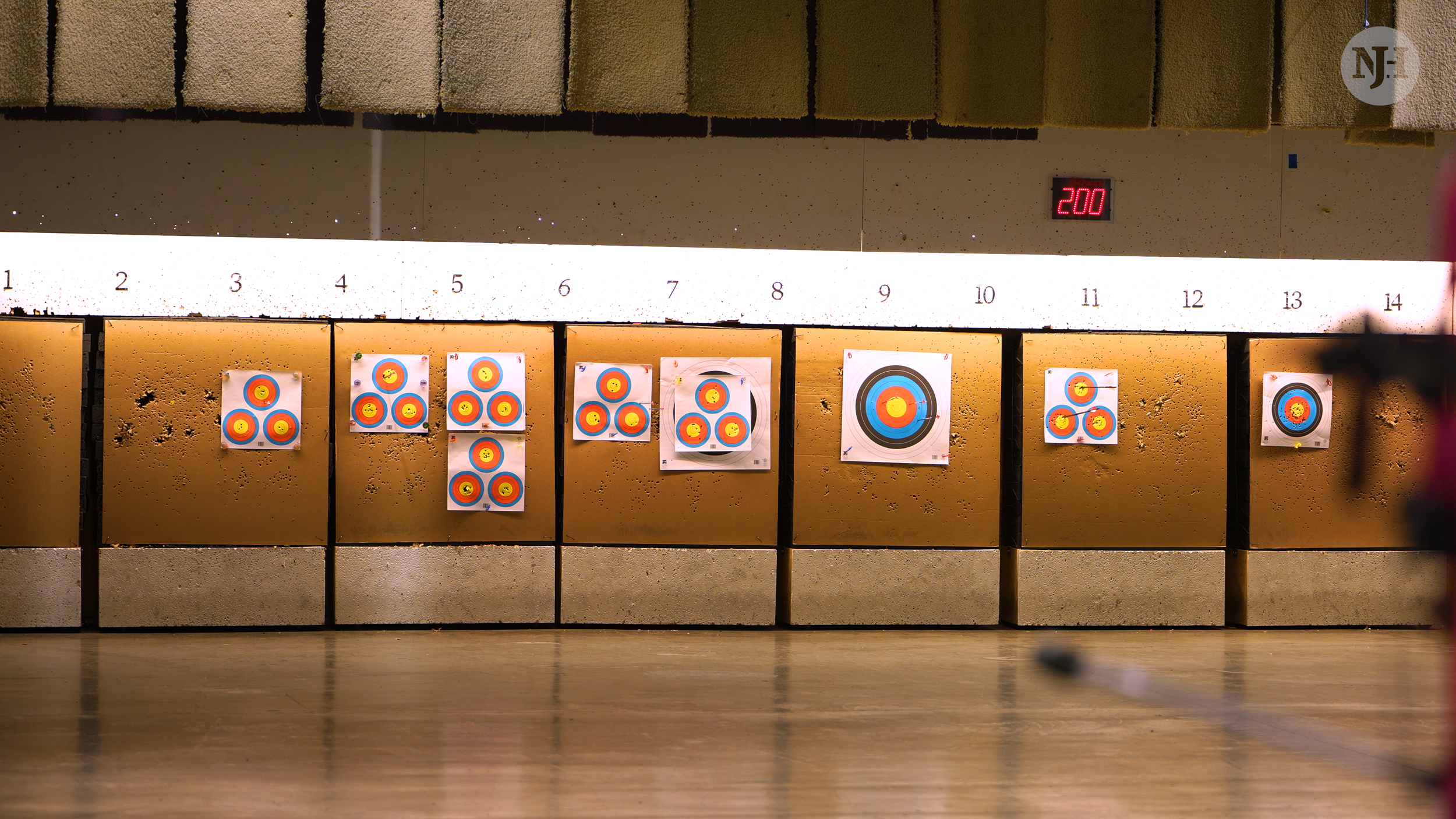
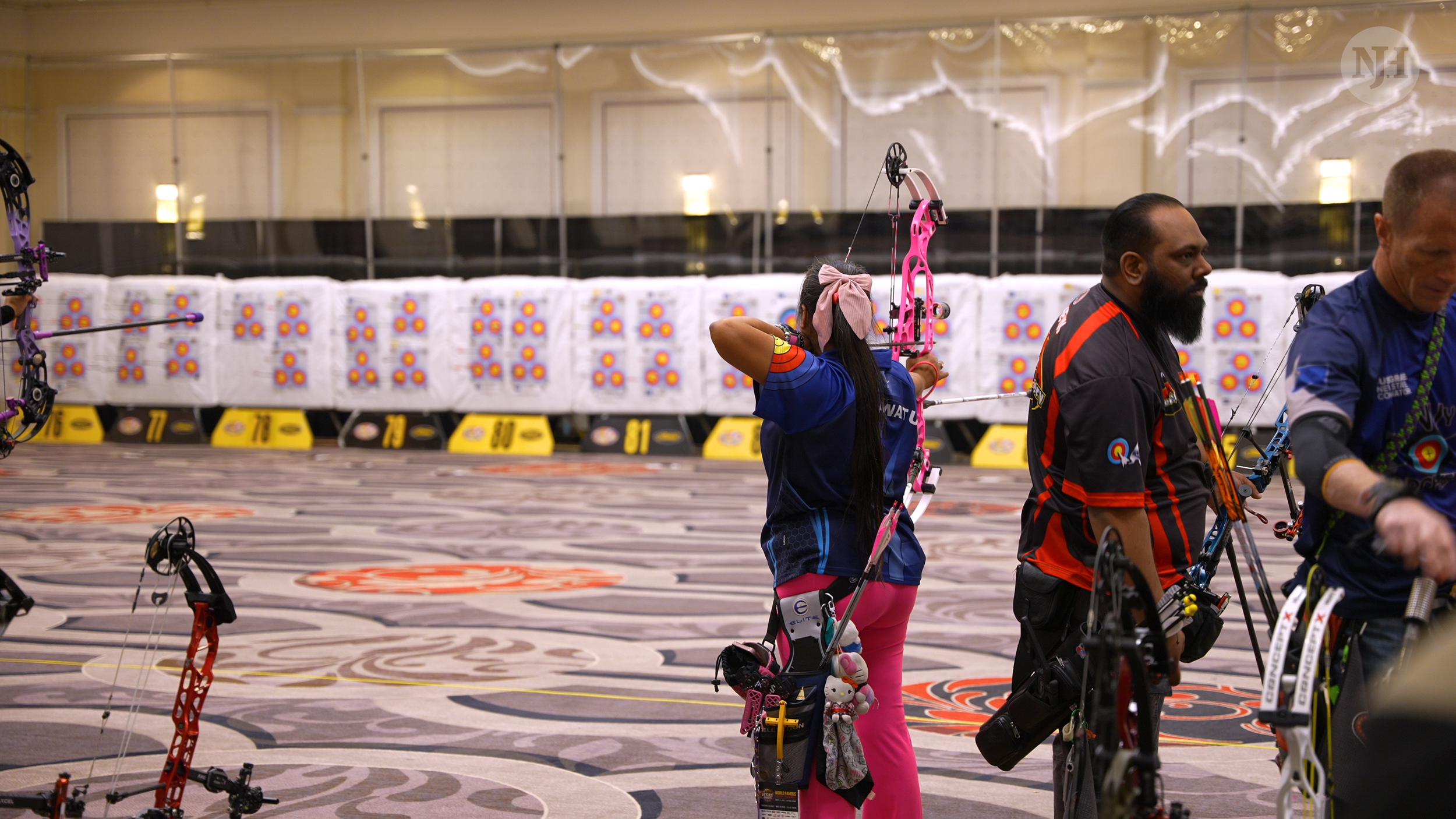
Competition exists at every level of archery, from relaxed club leagues to the Olympic Games.
Local tournaments typically welcome first-time competitors, placing beginners alongside others with similar experience. Most events prioritize sportsmanship and personal improvement over winning, creating a supportive atmosphere that encourages continued participation.
As archers gain experience, opportunities expand to state championships, national events, collegiate competitions, professional circuits, and international tournaments.
Even if competition is not your goal, attending tournaments offers an opportunity to learn from skilled shooters, discover new equipment, and become part of the broader archery community.
Some places to start looking for archery competitions are USA Archery, World Archery, Total Archery Challenge, and Between Ends.
The Physical and Mental Benefits of Archery
Although archery seems calm from the outside, it provides surprising physical benefits. Drawing a bow strengthens the back, shoulders, core, and arms while improving posture and balance. Repeating proper shooting form develops muscular endurance and body awareness.
Many participants, however, find the mental benefits even more valuable.
Successful shooting requires concentration on breathing, body alignment, and a consistent shot process. Outside distractions quickly fade as attention shifts toward executing one controlled shot at a time. Many archers describe practice sessions as deeply relaxing, providing a welcome break from work, school, and daily stress.
For many people, the range becomes a place to decompress, socialize, and reset after difficult days. The combination of physical activity, measurable improvement, and supportive friendships often keeps people involved for decades.
The Realities of Getting Started with Archery
Archery has a relatively gentle learning curve, but improvement still requires patience. Beginners should not expect perfect groups immediately, and that is part of what makes archery worth it. Every practice session provides measurable progress, whether improving consistency, tightening arrow groups, or simply becoming more comfortable handling equipment.
Rather than buying expensive gear right away, consider visiting a local pro shop or club that offers introductory lessons and rental equipment. This allows you to experience different bow styles while receiving personalized instruction before making any major purchases. As discussed in the accompanying video, knowledgeable staff can help match equipment to your goals, body type, and budget, making the experience safer and far more enjoyable.
Most importantly, remember that archery is not reserved for elite athletes. Whether you are interested in casual target shooting, historical archery, hunting, competition, or simply spending time with supportive people, there is an entry point for everyone. Like many lifelong hobbies, the arrows may initially draw you in, but the welcoming community could become a great reason you stay.
Useful Archery Resources
Getting Started
Finding a Club
World Archery Member Associations
Local archery pro shops and indoor ranges
Learning Resources
NUSensei (YouTube)
Jake Kaminski (YouTube)
Lancaster Archery Supply (Videos and Articles)
Communities
r/Archery (Reddit)
Local club leagues and beginner classes
Discover more hobbies.
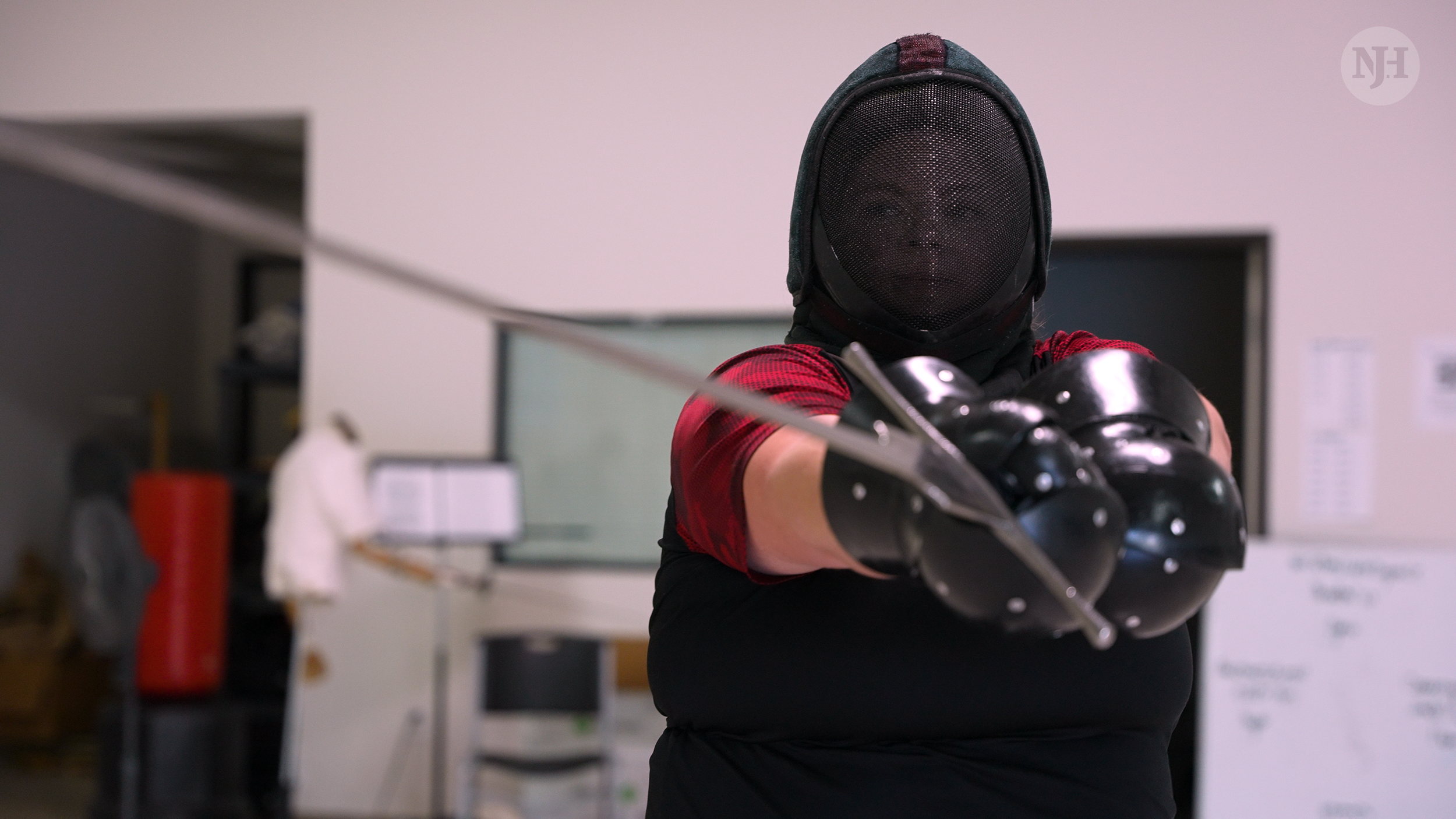
HEMA (Historical European Martial Arts)

Bouldering
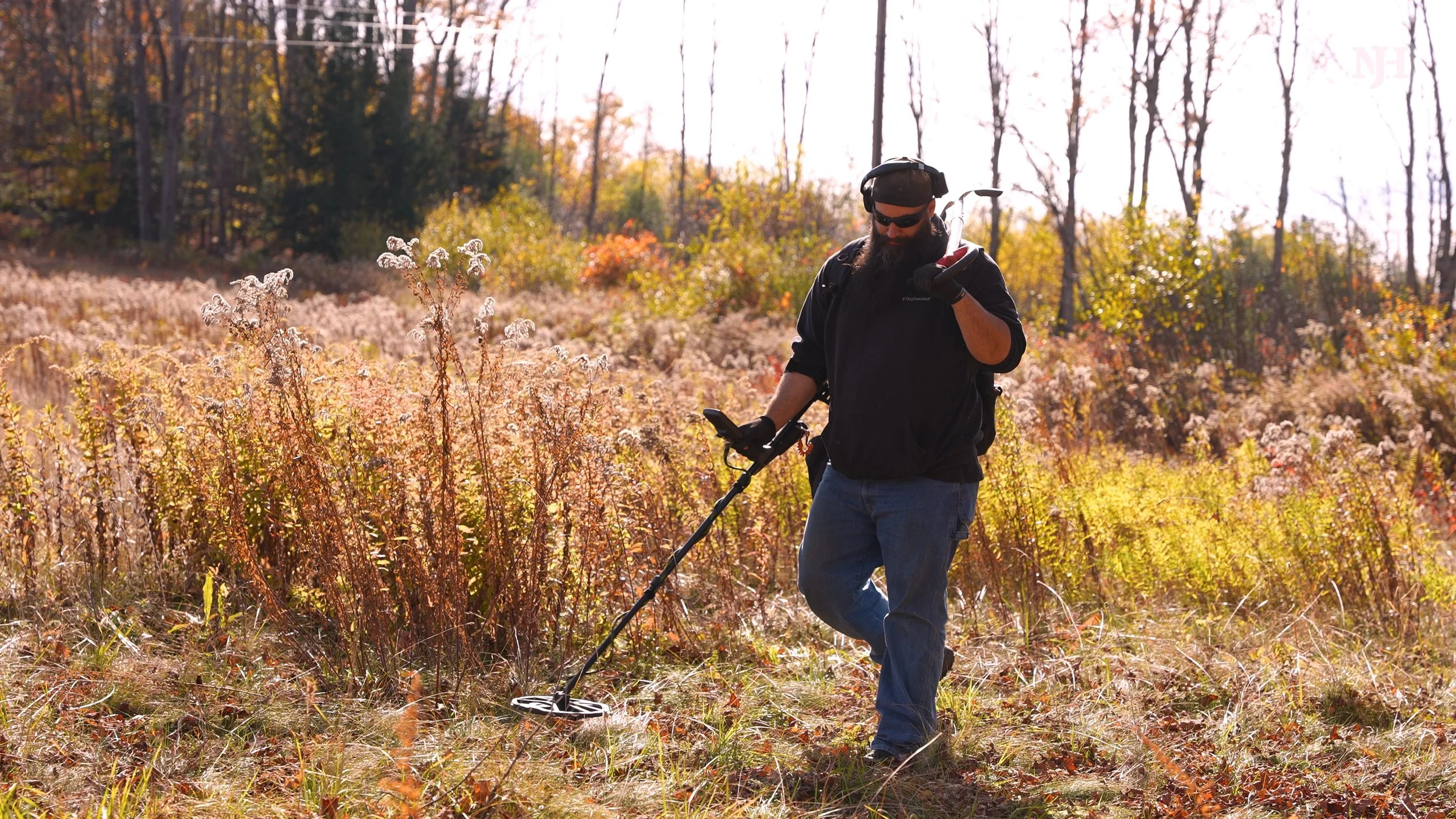
Metal Detecting
Discover more of Ana’s archery on Instagram @hellokitty_archer