
Metal Detecting
Metal detecting is more than a hobby built around beeping machines and digging in the dirt. It is about learning patience, curiosity, and history. Every signal in the ground is the possibility of finding a lost coin, a forgotten artifact, a modern piece of trash, or sometimes something that connects directly to the past in a way that feels almost personal.
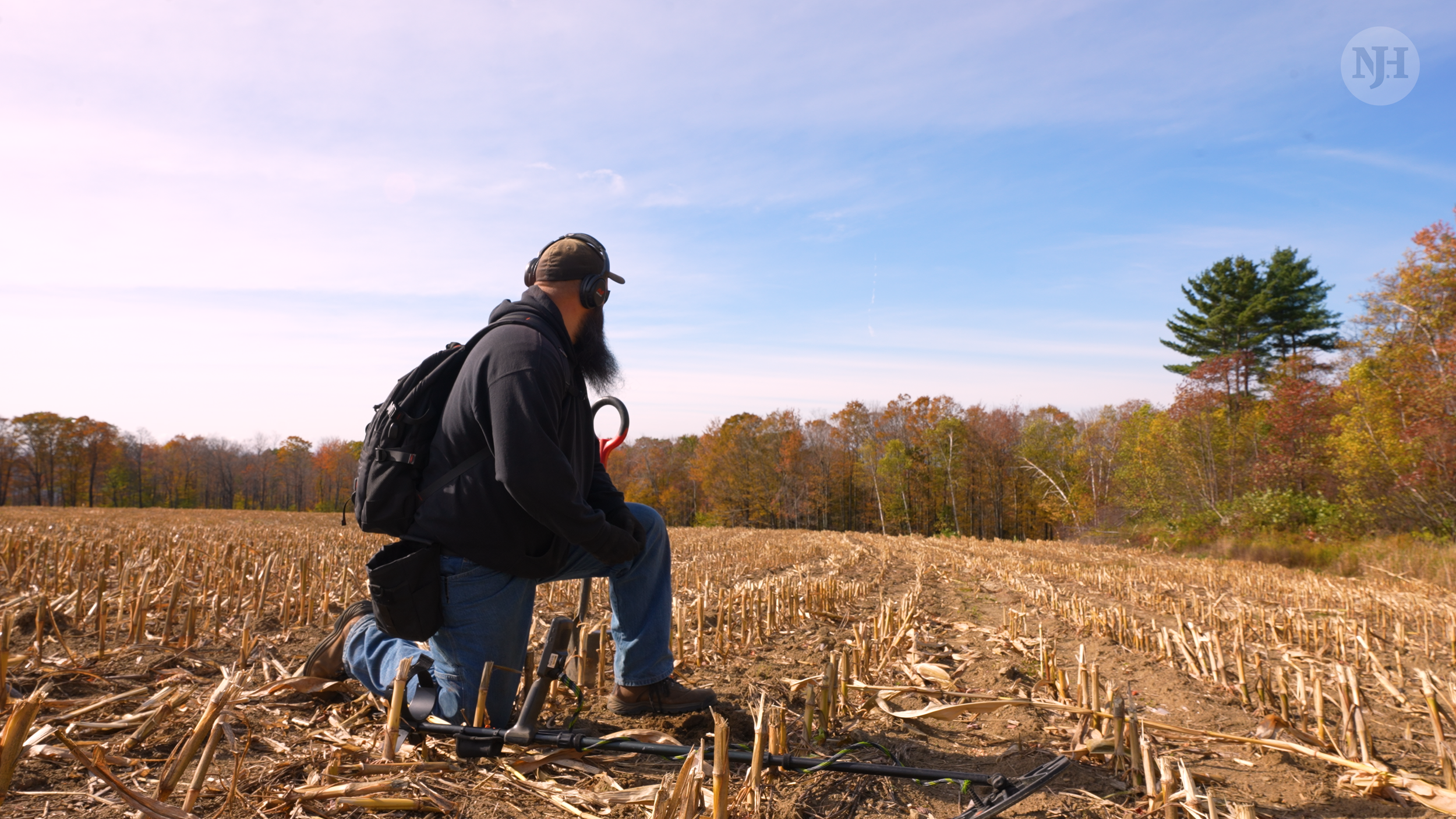
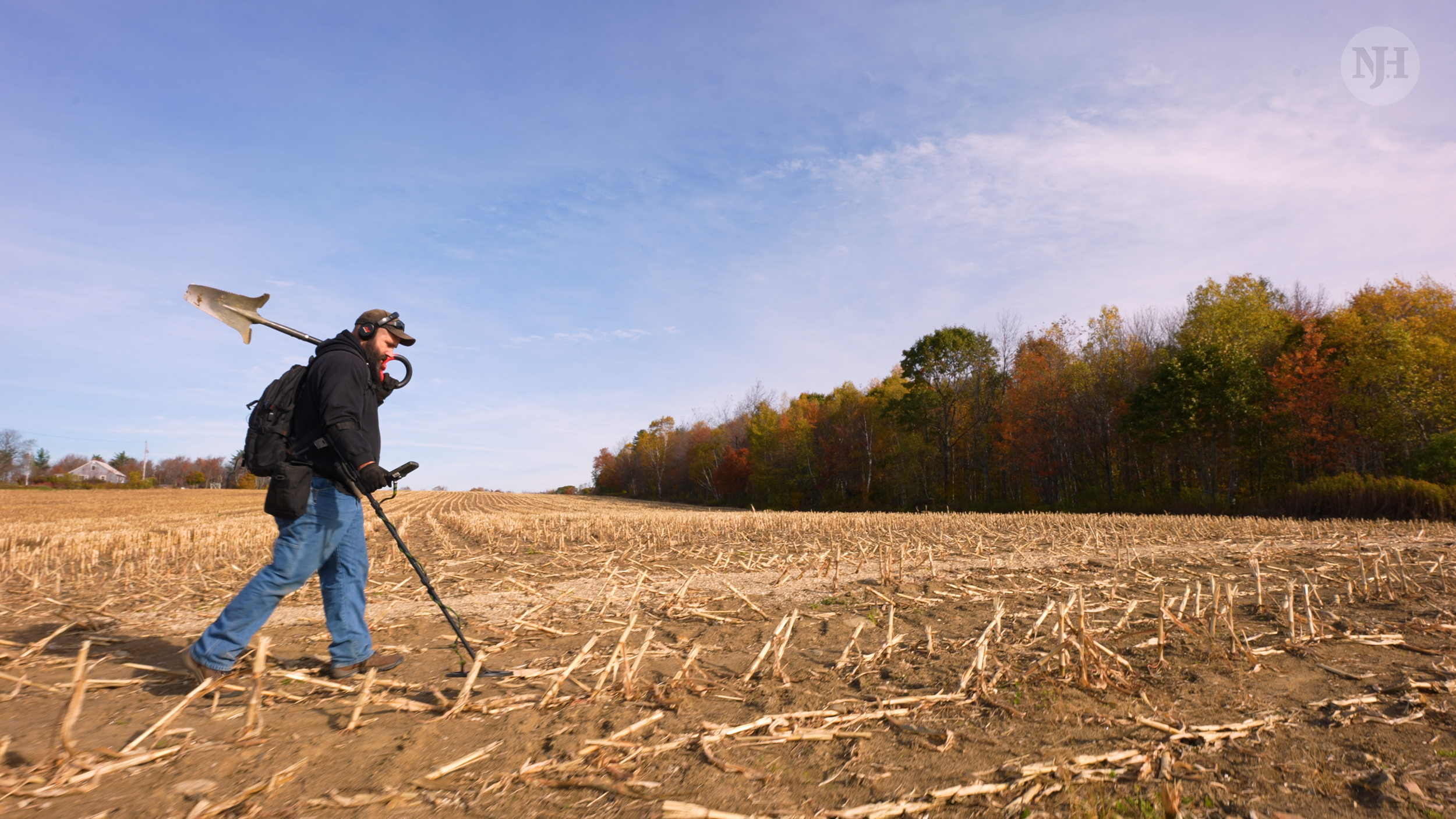
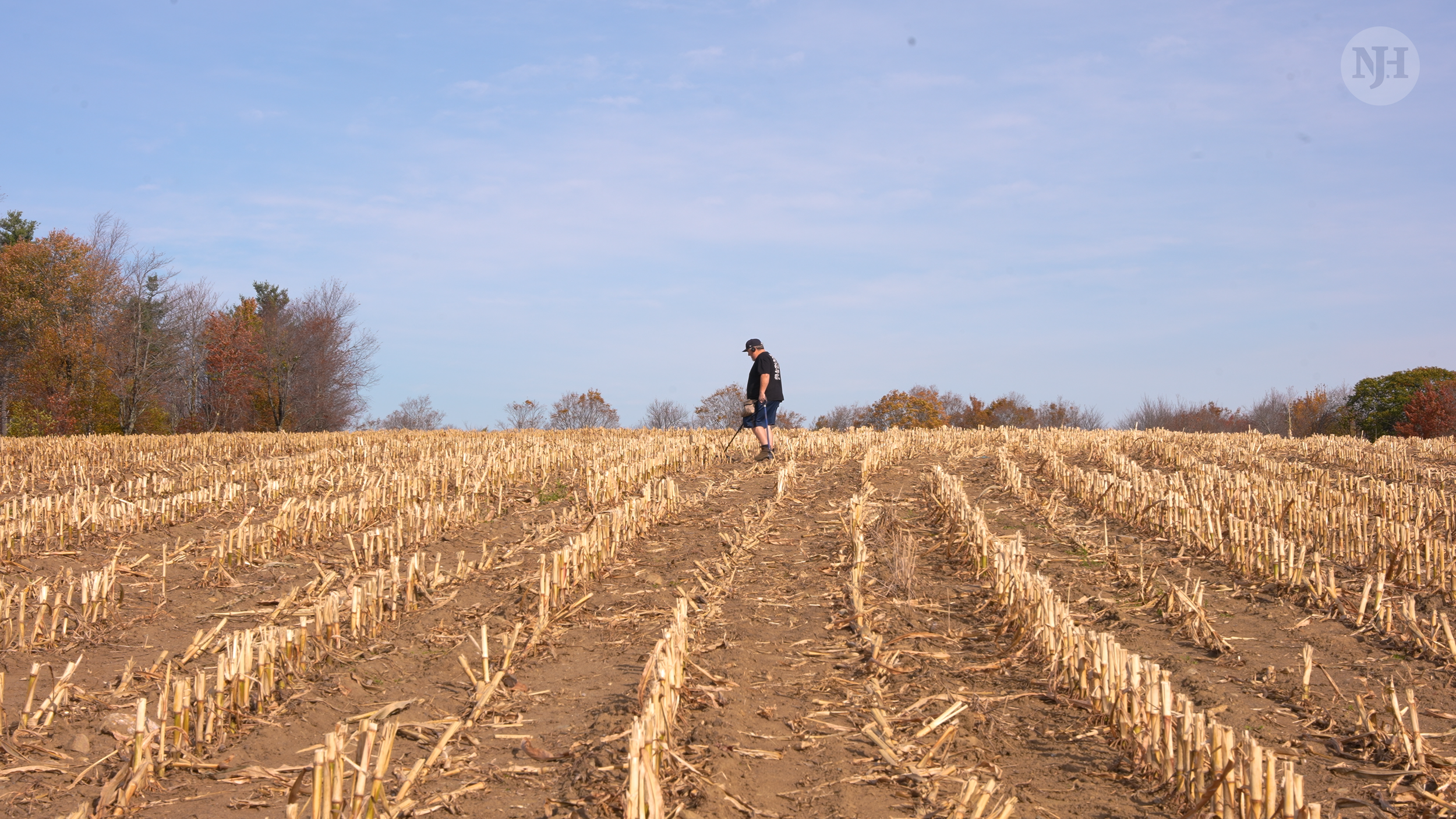
Unlike many hobbies that stay confined to controlled environments, metal detecting takes place in the unpredictable world outdoors. Fields, beaches, parks, riverbanks, old homesteads, and even urban spaces can all become search grounds. What makes it unique is that no two outings are ever the same. The ground is always different, the signals are always changing, and the story beneath your feet is never fully known until you start digging.
At a glance, metal detecting looks simple. You swing a coil, hear a tone, dig a hole, and recover an object. In reality, it is a layered skill that involves understanding soil conditions, interpreting signals, researching locations, respecting laws, and learning from experience. The best detectorists are not just searchers; they are part historian, part technician, and part environmental steward.
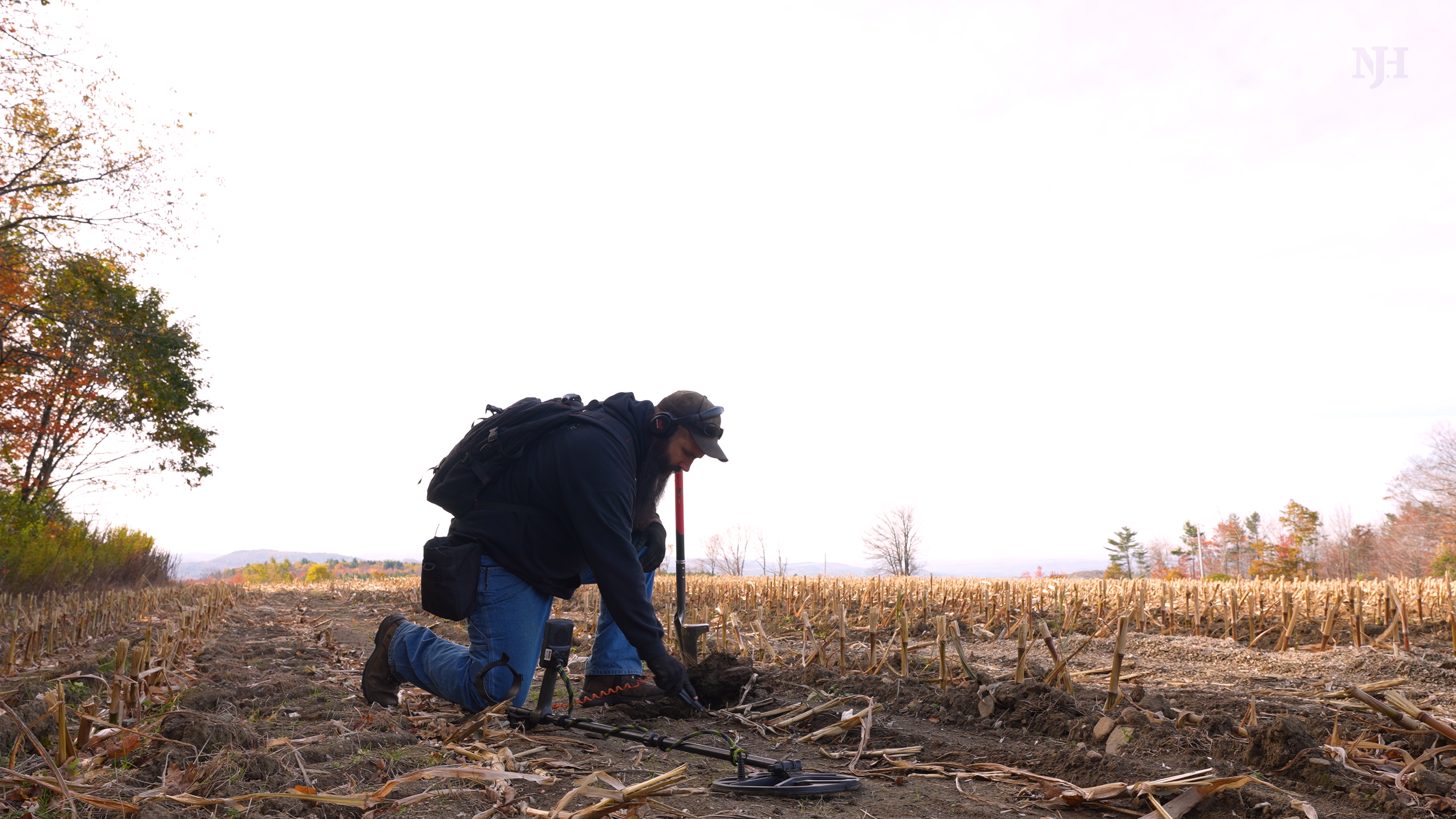
The History and Evolution of Metal Detecting
Metal detecting as we know it today is relatively modern, but its roots stretch back to scientific and military innovation. Early detection devices were developed in the late 19th and early 20th centuries for industrial and military use, including locating metal in mines and, later, detecting unexploded ordnance.
One of the first major breakthroughs came after World War II, when surplus military technology and engineering advances made portable detection devices more practical. These early machines were heavy, unreliable, and limited in depth, but they sparked interest in civilian use.
By the 1960s and 1970s, companies began producing metal detectors specifically for hobbyists. This is when the activity started to take shape as a recreational pursuit. People began exploring beaches, parks, and farmland, discovering coins, jewelry, and relics that had been lost for decades or even centuries.
As technology advanced, so did the precision of detectors. Modern machines now use very low frequency (VLF), pulse induction (PI), and multi-frequency systems that can distinguish between types of metals, filter out junk, and detect objects at greater depths. Many brands helped shape the modern era with increasingly sensitive and specialized equipment.
Today, metal detecting is a global hobby with communities in nearly every country. It ranges from casual weekend beachcombing to highly researched historical recovery efforts.
Metal Detecting Equipment
Metal detecting does not require a lot of gear to start, but having the right tools can significantly improve both your success and enjoyment of the hobby. The main piece of equipment is the detector itself, but the supporting equipment matters just as much.
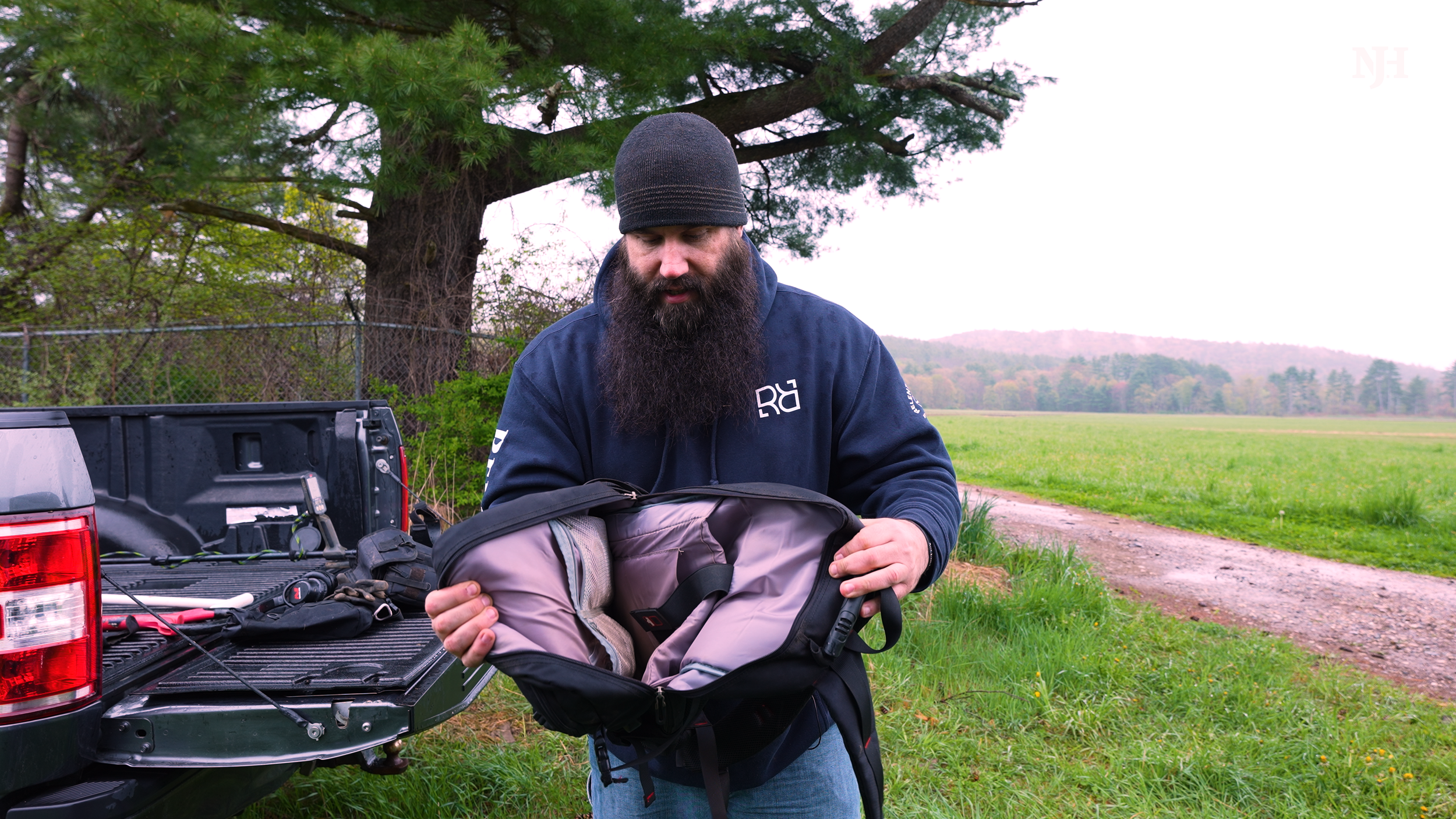
A typical metal detecting setup includes:
Metal detector (VLF or PI system depending on environment)
Search coil (different sizes for depth or precision)
Pinpointer tool for locating targets in soil
Digging tool or trowel
Headphones for signal clarity
Finds pouch or container
Entry-level detectors are often lightweight and designed for beginners, offering simple target identification and basic discrimination. As experience grows, many detectorists upgrade to machines with more advanced features such as multi-frequency detection, adjustable ground balance, and customizable tone profiles.
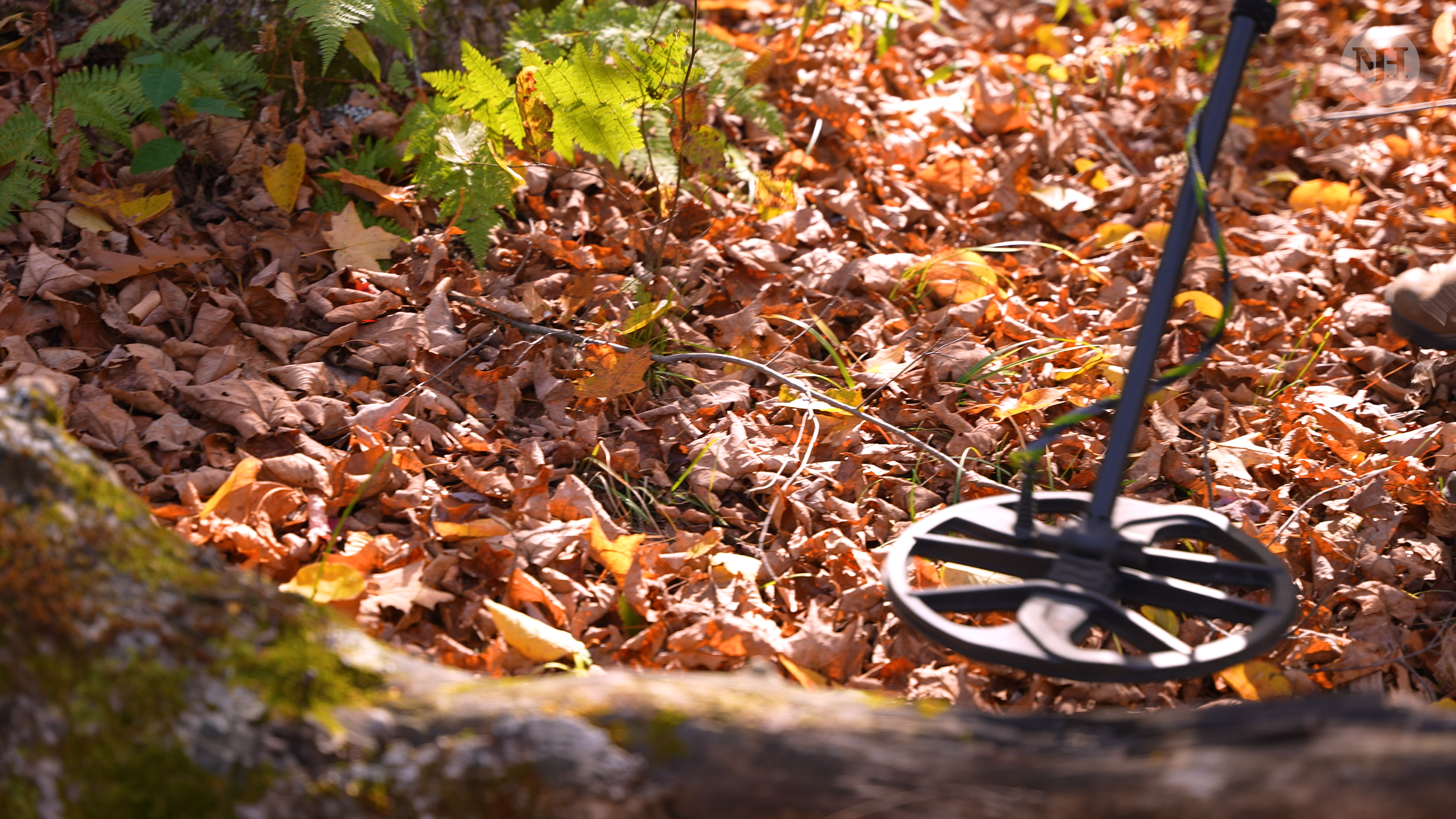
Coil size is also important to learn about. Larger coils can scan deeper ground and cover more area, while smaller coils are better for trash-heavy environments where precision matters more than range.
Pinpointers deserve special mention because they dramatically reduce digging time. Instead of sifting through soil blindly after a dig, a handheld pinpointer quickly zeroes in on the target, making recovery faster and less invasive to the ground.
Good equipment is important, but understanding how to use it matters more than the price tag. A skilled detectorist with a mid-range machine will often outperform a beginner using top-tier gear.
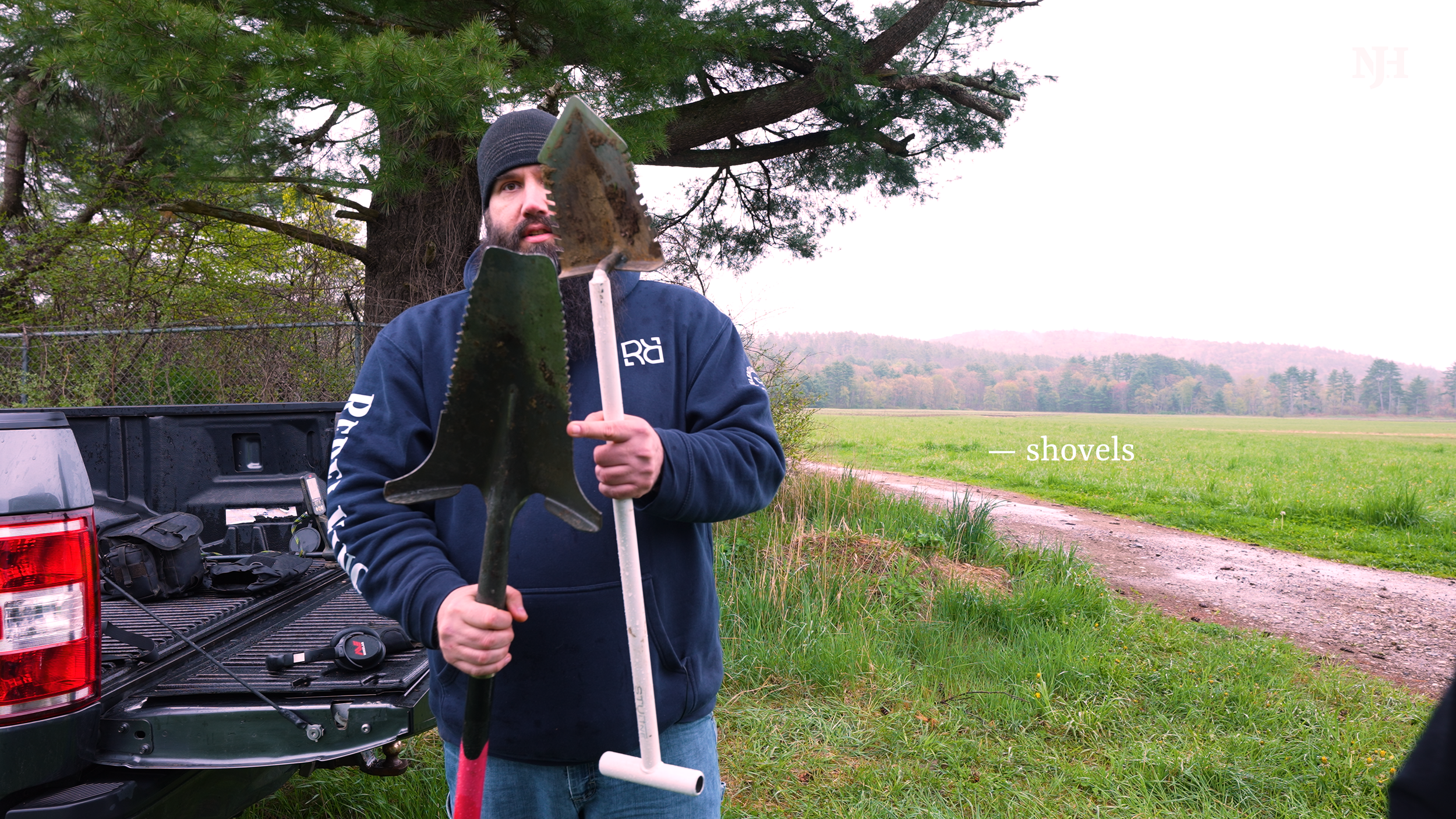
Permissions, Laws, and Responsible Metal Detecting
One of the most important, and often misunderstood, parts of metal detecting is legality. Where you detect is just as important as what you detect with.
Different countries, states, and municipalities have different rules regarding metal detecting. In general:
Public parks may allow detecting but prohibit digging in certain areas
Beaches often allow detecting but may have seasonal restrictions
Historical or protected sites are usually strictly off-limits
Private property requires explicit permission from the landowner
Land may be privately owned as well so obtaining permission for these locations are just as critical and required.. Many experienced detectorists build relationships with landowners by simply asking politely and explaining their intentions. Written permission is recommended to avoid misunderstandings and ensure your safety. It’s intimidating at first, but as Ed shares in the episode, you’d be surprised how open some folks may be to the conversation.
Equally important is the ethical responsibility of the hobby. Detectorists usually follow the simple principle of leaving the land better than you found it. This means filling in all holes, removing any trash uncovered during digging, and avoiding unnecessary disturbance to the environment.
In many areas, there are also “treasure troves” or cultural heritage laws that govern what happens when important artifacts are discovered. In some regions, finds must be reported to authorities or shared with landowners. Ignoring these laws can lead to fines or loss of equipment.
Metal Detecting Safety
Metal detecting is generally safe, but it does involve physical activity in unpredictable environments. Proper precautions can help you prevent injury and ensure a smooth, fun experience.
One major thing to consider is terrain. Detectorists have to work in uneven fields, wooded areas, beaches, or riverbanks. Slips, cuts, and fatigue are all possible risks. Good footwear with ankle support is essential, especially when digging in rocky or wet soil.
Another important factor is awareness of what you might uncover. While most finds are harmless, like coins, nails, buttons, and bottle caps, older sites can occasionally contain sharp metal fragments, rusted objects, or even hazardous debris.
In rural or historical areas, it is also important to be cautious of underground utilities. Striking a buried cable or pipe can be dangerous and costly. Detectorists should always research land history or consult maps before digging.
Environmental respect is also part of safety. Avoiding wildlife nests, being mindful of protected vegetation, and respecting private ecosystems all contribute to responsible detecting.
Finally, hydration and weather awareness matter more than many beginners expect. Hours spent outdoors can lead to sun exposure, heat exhaustion, or dehydration, especially in desert regions or summer conditions. Remember to bring water, food, sunscreen, and proper weather protection when metal detecting.
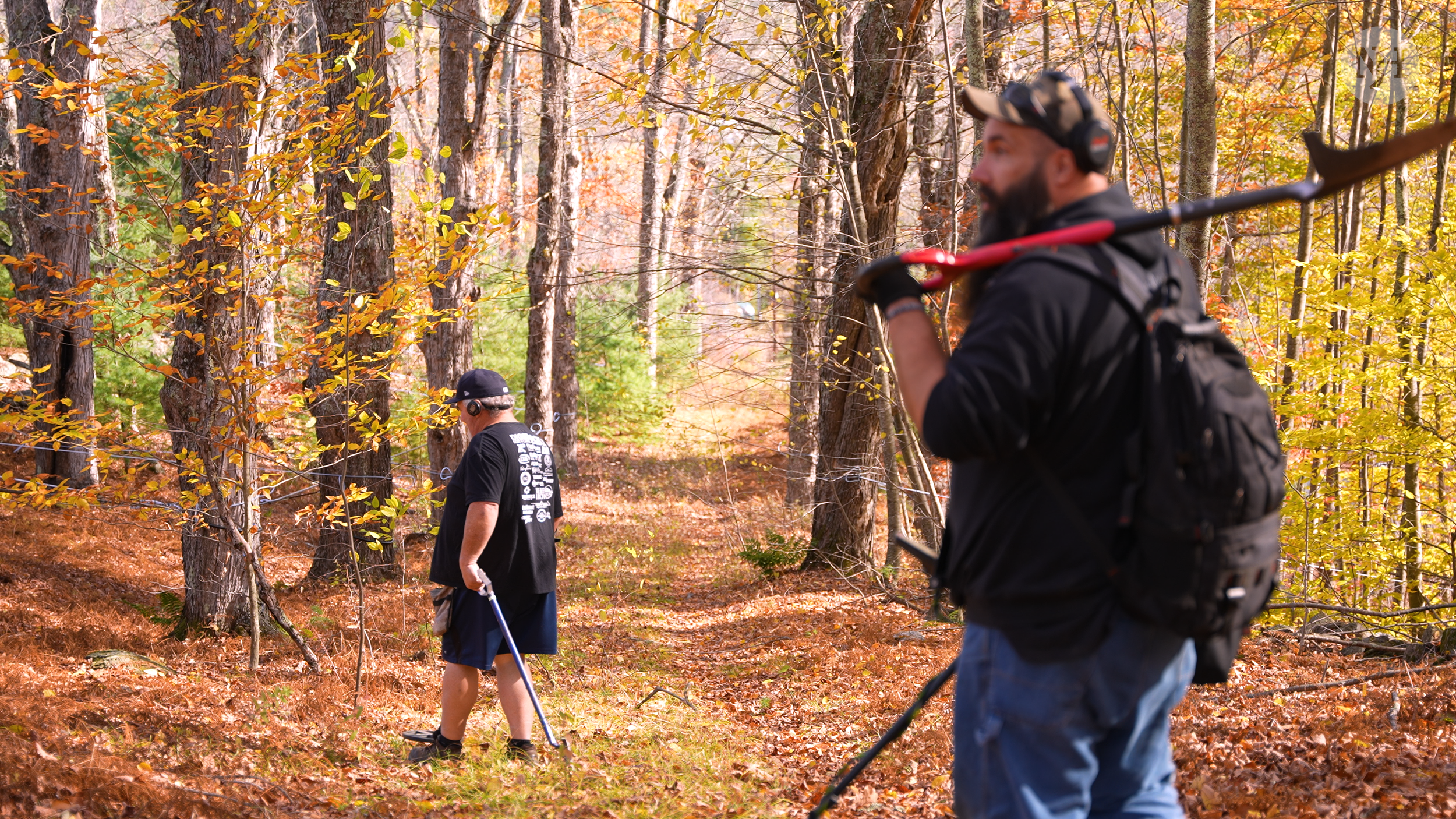
Understanding Signals and Tones
One of the most technical, and rewarding, skills in metal detecting is learning to interpret signals. Detectors communicate through tones, numbers, or visual indicators that correspond to different types of metals and depths.
Most modern detectors provide:
High tones for valuable metals like silver or copper
Mid tones for items like brass or lead
Low tones for iron or junk metals
Some detectors also display numerical target IDs, giving a range that helps identify likely materials before digging.
However, signals are never perfect. A rusty nail might mimic a coin. A coin at depth might sound faint or inconsistent. Ground mineralization, moisture, and nearby metal objects can all distort readings.
Experienced detectorists learn to “hear through” the noise. They recognize subtle differences in tone stability, repeatability, and signal strength. A clean, repeatable signal from multiple angles often indicates a strong target worth digging.
This learning curve is one of the most interesting and enjoyable parts of the hobby. It turns detecting from simple searching into a skill.
Metal Detecting Community, Clubs, and Shared Experience
While metal detecting can absolutely be done solo, the community aspect is one of its strongest features. Detectorists can share finds, tips, and locations, and many form local clubs or online groups through places like Find A Digging Buddy.
Local clubs organize group hunts, where members detect together on permitted land. These outings provide both social connection and learning opportunities for beginners. Experienced members can demonstrate techniques, help identify finds, and share insights about equipment settings.
There is also a competitive and research-driven side of the community. Some detectorists focus on historical recovery, working with archaeologists or historians to locate artifacts from specific eras. Others participate in friendly competitions to see who can recover the most or most interesting finds in a given time.
Online communities like Friendly Metal Detecting Forum, American Detectorist Forum, and FindMall Treasure Forums play a huge role as well. Forums, YouTube channels, and social media groups allow detectorists from around the world to share discoveries instantly. This global exchange of knowledge has significantly improved techniques and responsible detecting practices.
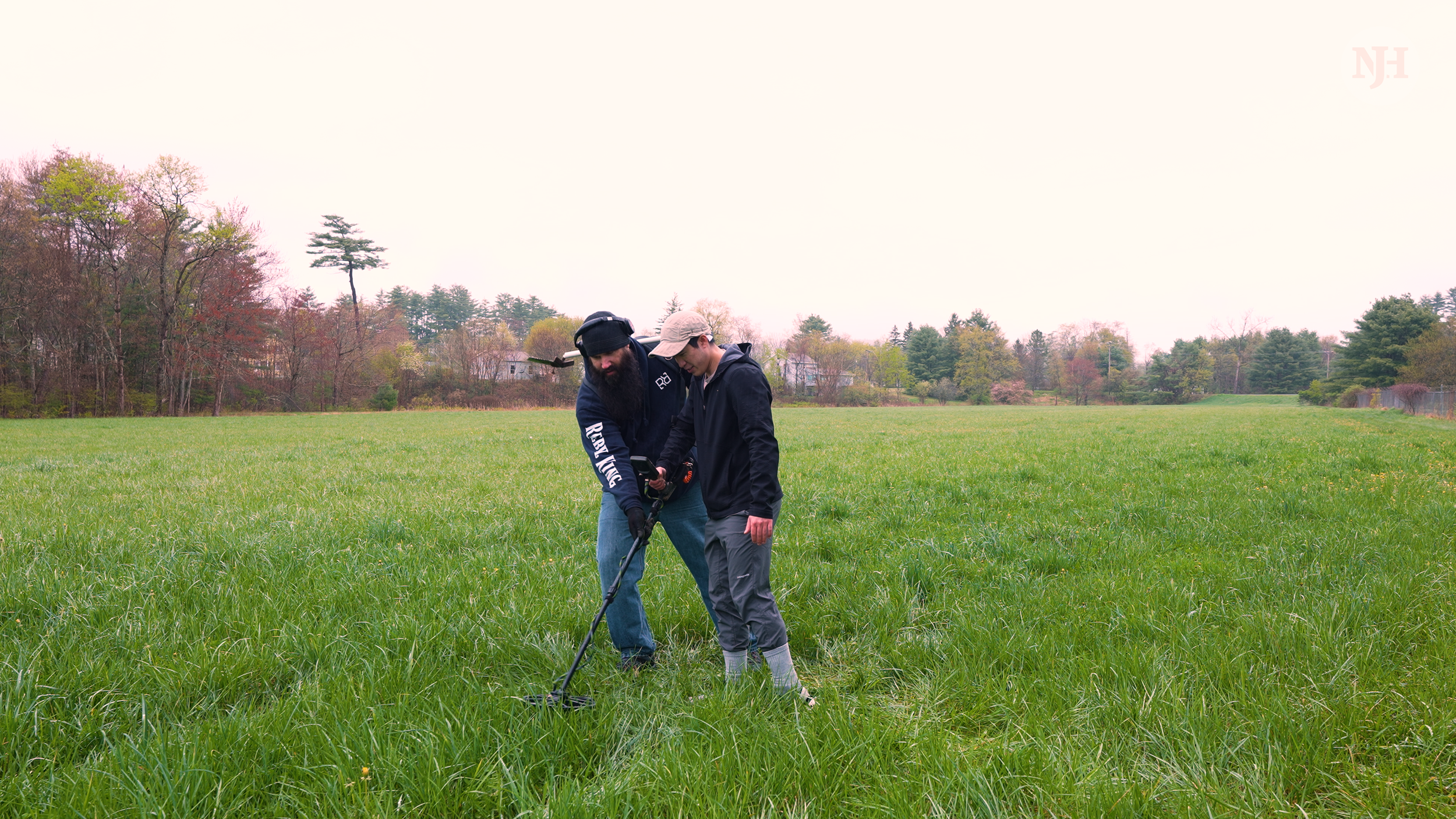
Metal Detecting Events, Treasure Hunts, and Field Days
Across many countries, organized metal detecting events bring hobbyists together for large-scale hunts. These events typically take place on farmland or private land specifically opened for detecting.
Participants are given access to fields where historical items may be present, sometimes dating back hundreds of years. These events are structured, often timed, and designed to give everyone a fair chance at finds.
Some events are casual and social, while others are more competitive. Regardless of format, they are all about respect for land, proper recovery methods, and accurate reporting of significant discoveries.
There are also archaeological partnerships where detectorists assist professionals in locating artifacts that would otherwise remain undiscovered. This collaboration has led to important historical recoveries in many regions.
You can find metal detective events at:
Online Resources and Learning Platforms for Metal Detecting
For beginners and experienced detectorists alike, online resources are essential for learning and improvement. Some widely used platforms include:
Detectorist Forum (TreasureNet) — Active discussion boards for finds, tips, and gear
UK Detector Finds Database — Record of archaeological and detector finds
Minelab Blog and Guides — Manufacturer tutorials and field advice
Fisher Labs Resources — Technical guides and product education
YouTube channels focused on field hunts and tutorials
These resources help detectorists refine technique, understand machine settings, and stay informed about legal and ethical standards.
The Realities of Metal Detecting
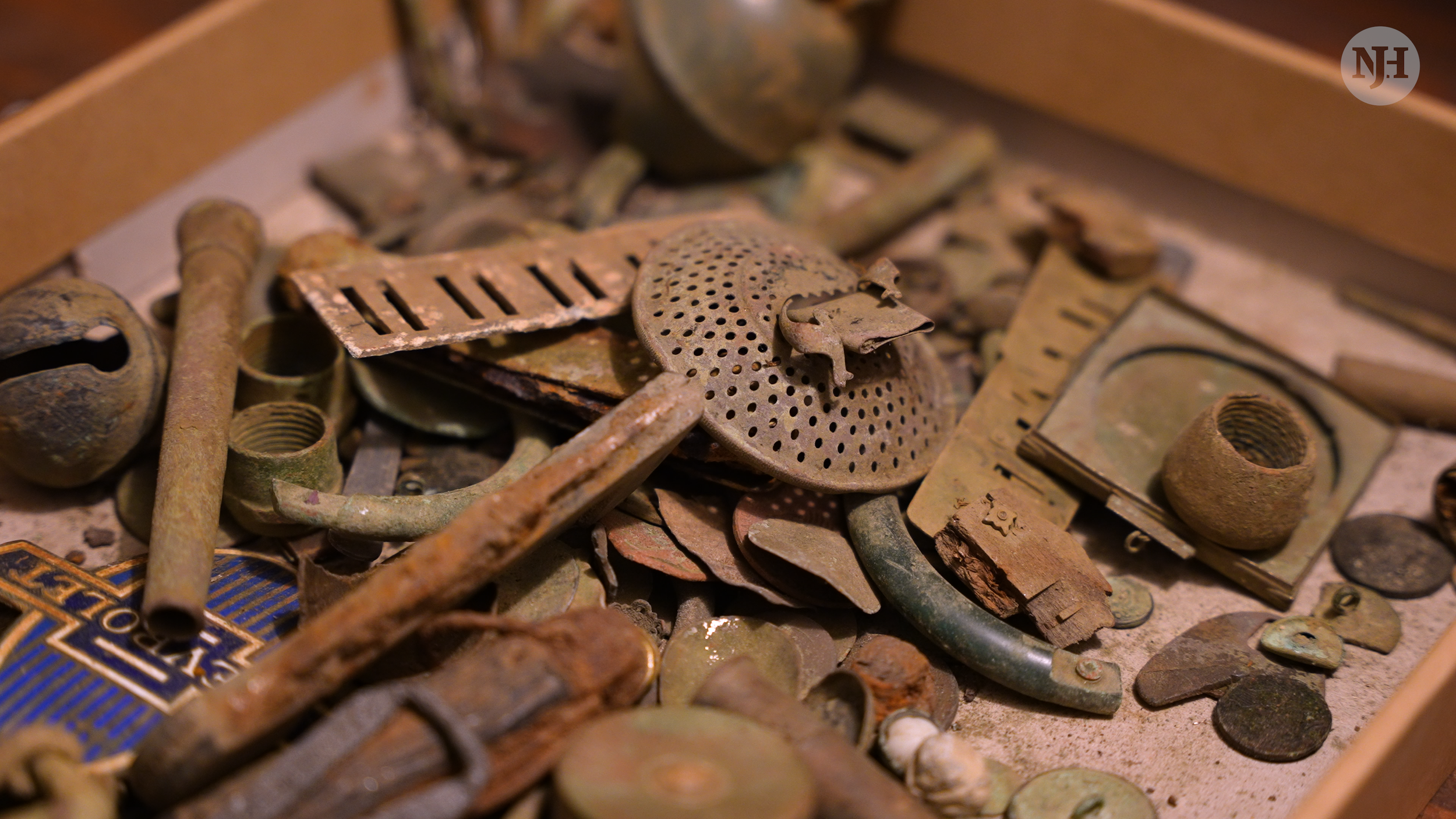
Metal detecting is often romanticized as a treasure-hunting adventure, and while exciting finds do happen, the reality is more grounded. Most signals lead to modern trash like pull tabs, nails, bottle caps, or scrap metal. Patience is important if you want to get into metal detecting.
Success in metal detecting is not measured only by valuable finds. It is measured in experience, like learning how landscapes change, understanding historical patterns, and improving technical skill over time.
It is also a hobby that rewards persistence. The more time spent detecting, the better your understanding of terrain, signals, and equipment becomes. Even unsuccessful days contribute to long-term skill development.
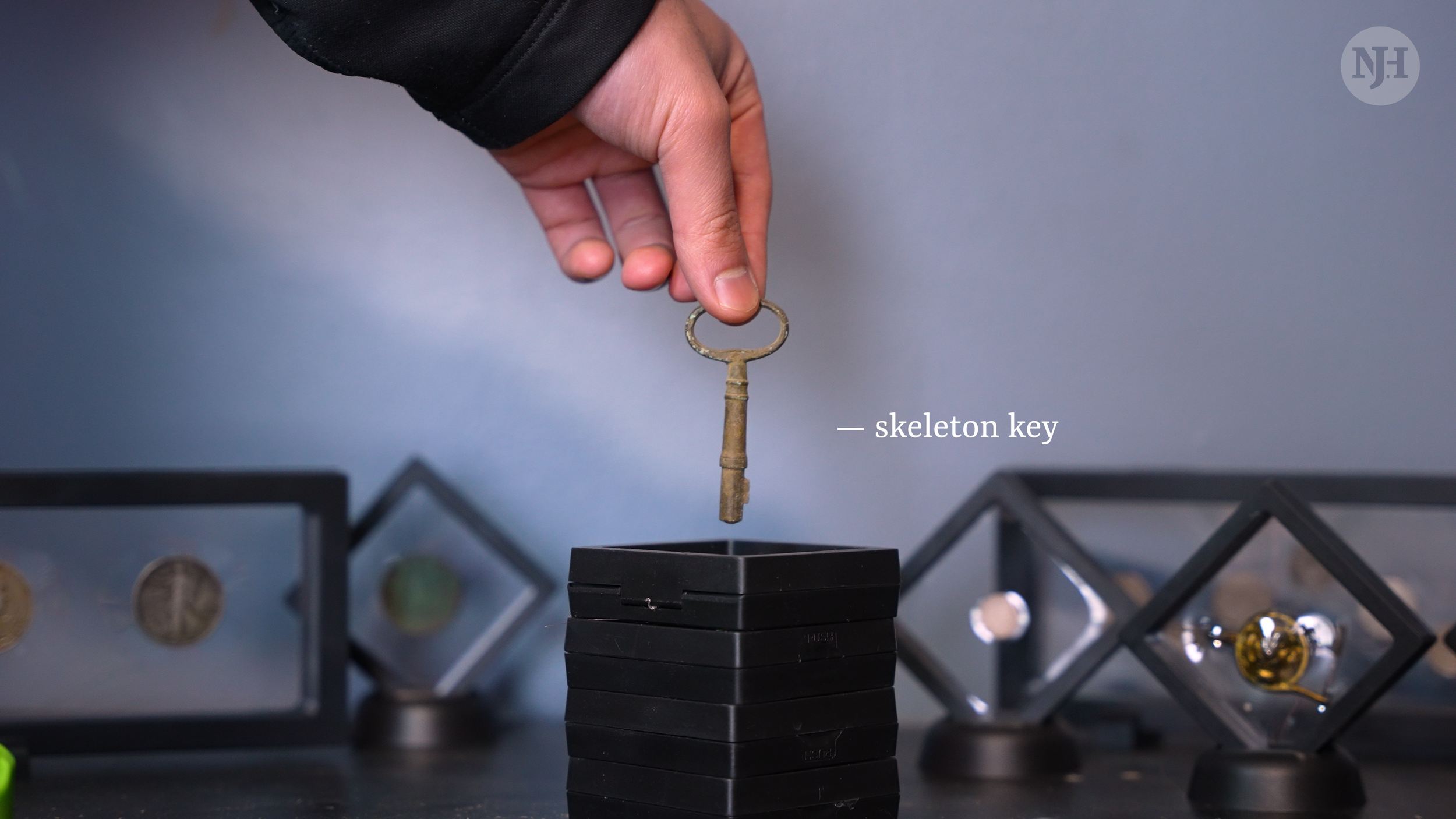
At its best, metal detecting is a connection between past and present. Every object pulled from the ground has a story, even if that story is as simple as being lost decades ago.
Useful Links and Resources for Metal Detecting
Metal detecting is not just about what you find, it is about what you learn along the way. It teaches patience, respect for land, awareness of history, and attention to detail.
Discover more hobbies.
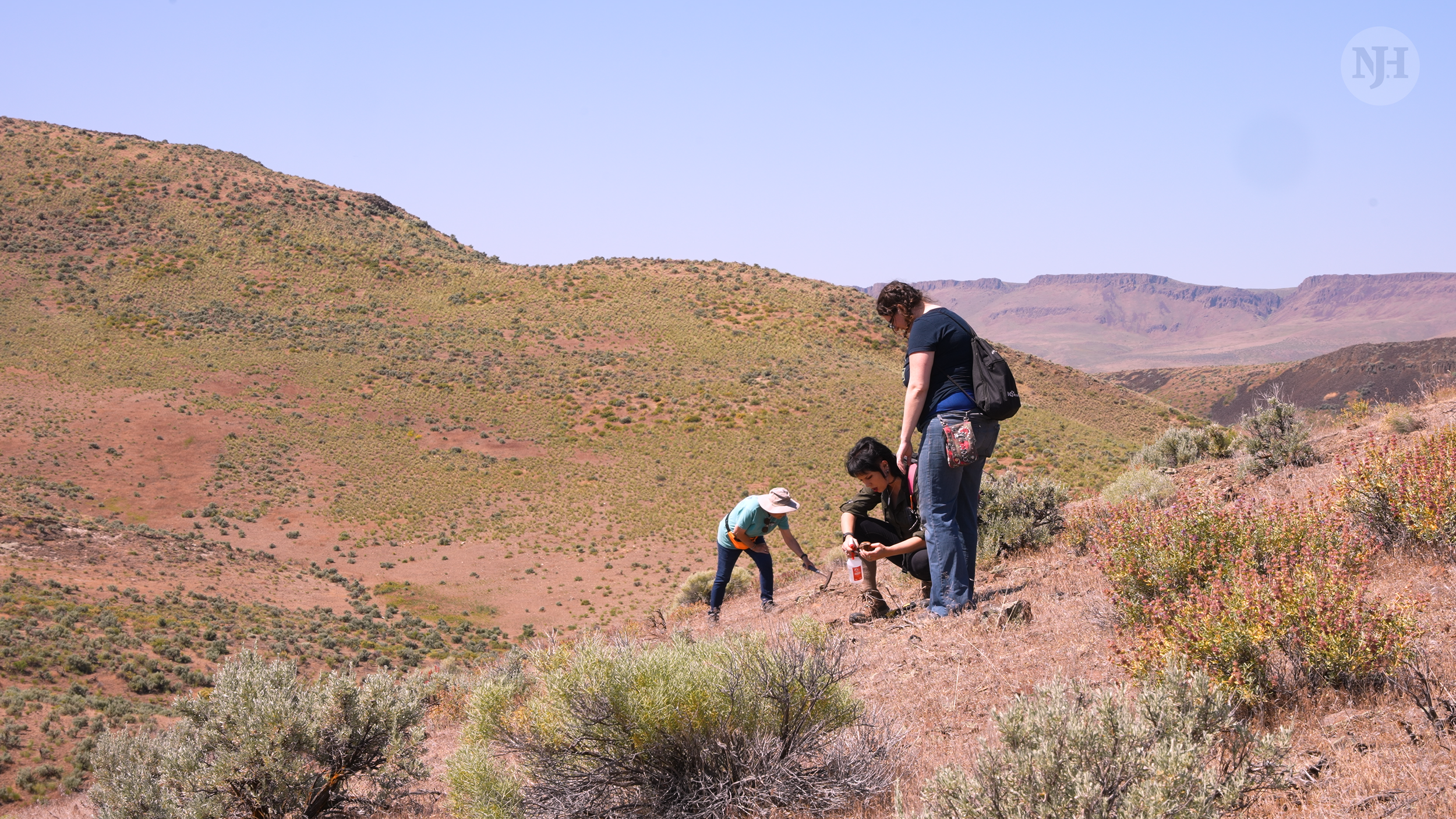
Rockhounding

Bird Watching
Ham Radio
Discover more of Ed’s metal detecting on Instagram @detectedoutdoors3.