
Bowling
Bowling is one of the most recognizable recreational activities in the world, but most people only experience a small part of what makes the hobby so enjoyable. At its simplest, bowling involves rolling a ball down an oiled lane to knock over ten pins. It is easy to learn, accessible to almost any age group, and can be enjoyed casually with friends or pursued as a highly technical competitive sport.
A first-time bowler can have fun on day one at a party or friend outing, but experienced players spend decades refining their techniques, experimenting with equipment, studying lane conditions, and developing the mental discipline necessary to bowl consistently. Bowling combines elements of physics, strategy, athleticism, and social interaction into a hobby that can be as relaxed or as competitive as you choose.
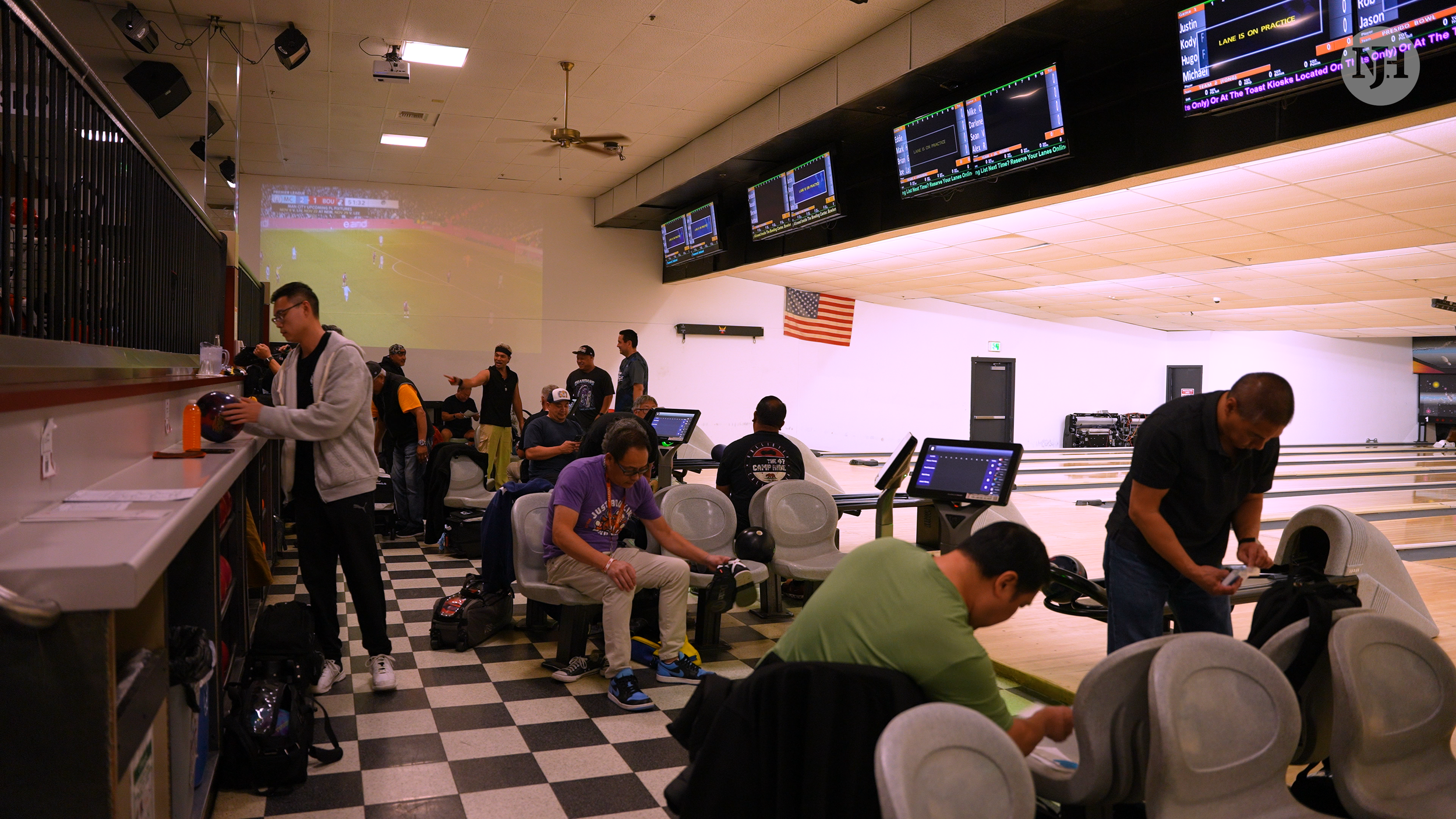
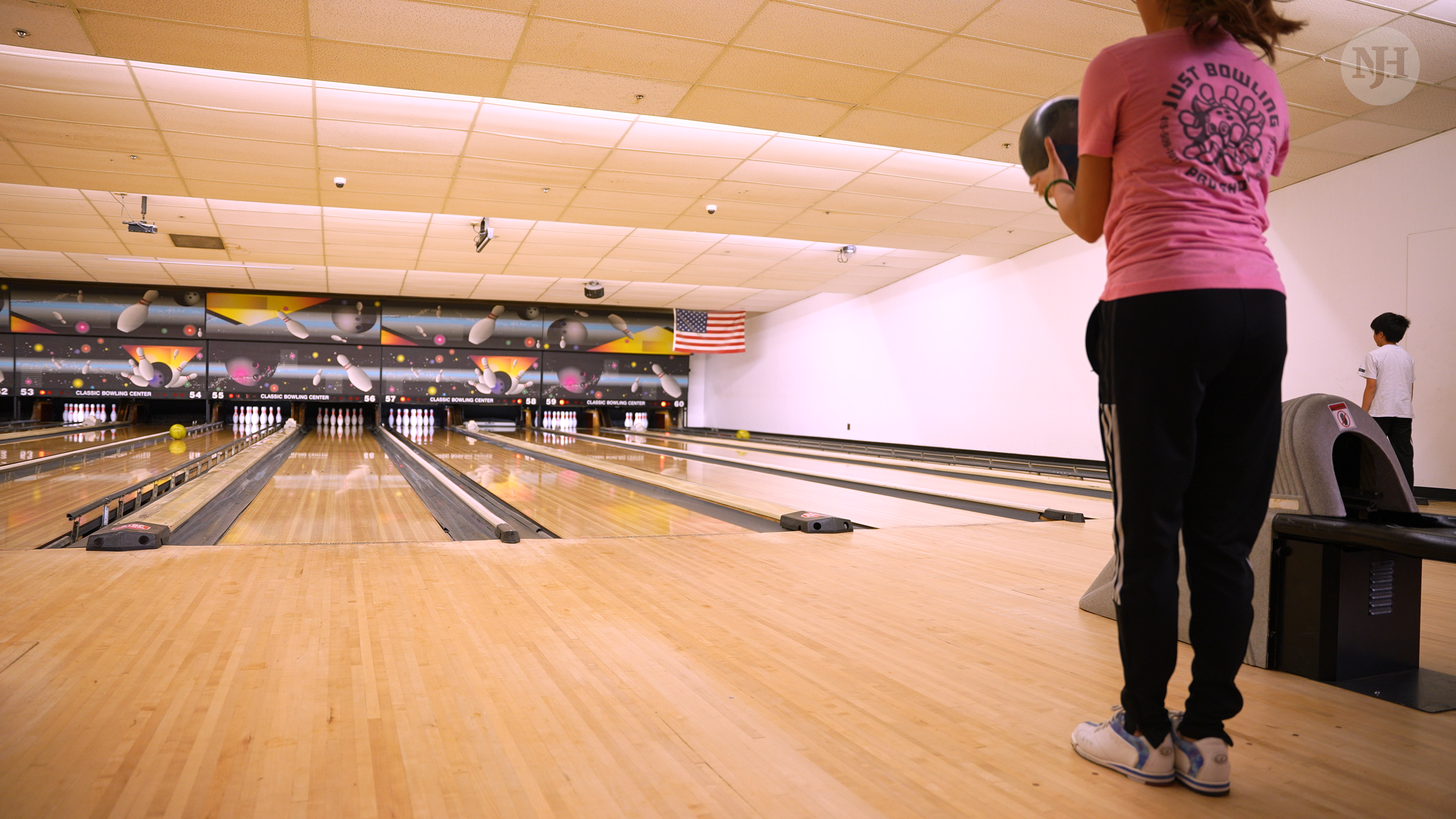
One of the greatest things about bowling is its community. League bowlers describe their weekly sessions as much-needed social gatherings where friends reconnect after work, share advice, and celebrate each other's successes. While bowlers still compete against one another competitively, there is a strong culture of encouragement and improvement.
Another reason bowling is so popular is because it is extremely accessible. You do not need years of training, expensive equipment, or elite athletic ability to get started. Most bowling centers offer rental shoes and house balls, allowing newcomers to participate immediately. Bowlers can gradually invest in equipment and learn more advanced aspects of the game at their own pace. And even with that, it’s not uncommon for bowlers to pass along their older balls and kits.
Understanding the Bowling Lane
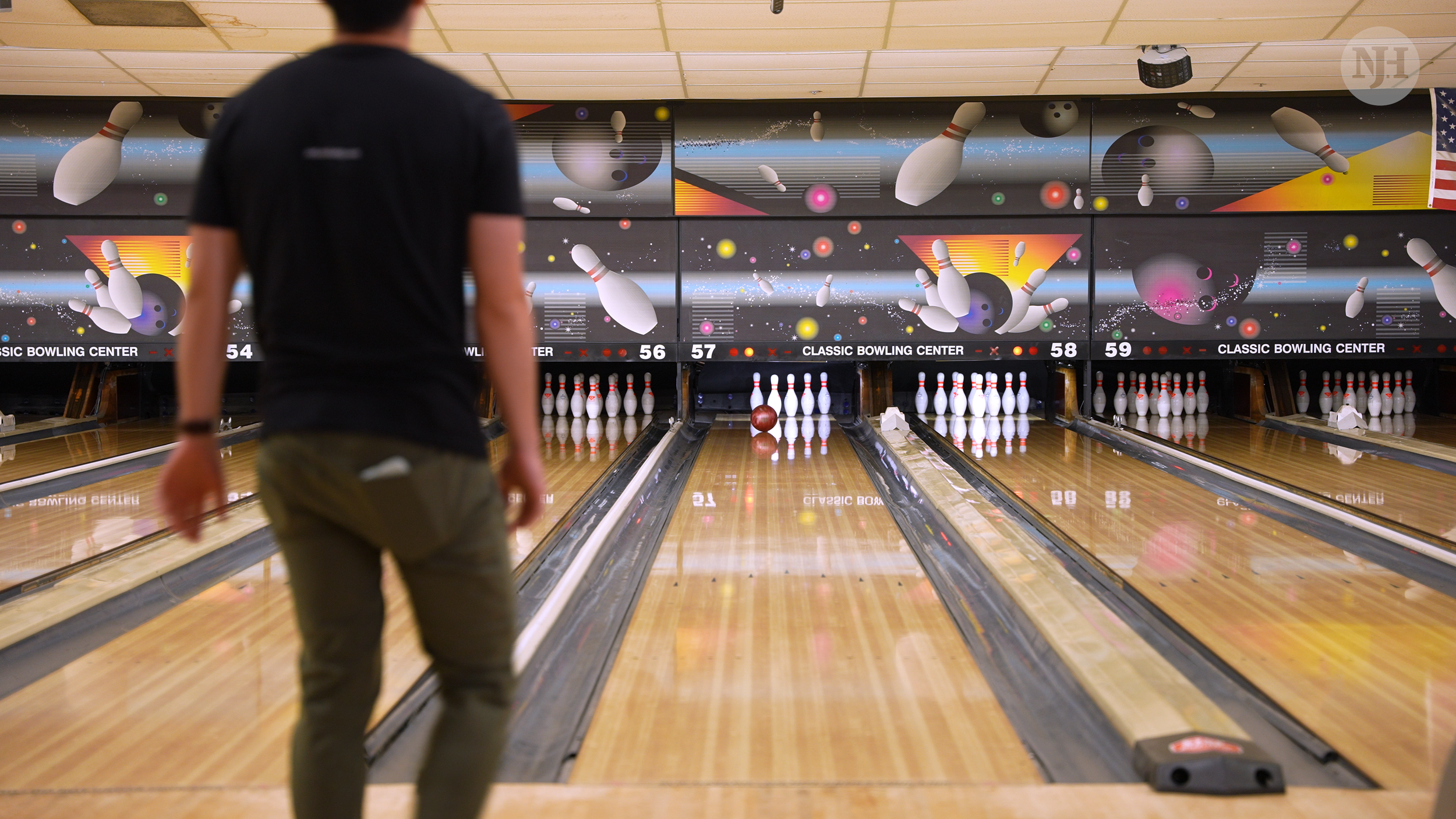
The bowling lane is one of the most important and complex elements of the sport. Much like how the style of a basketball court or football field impacts the game, a bowling lane is the same.
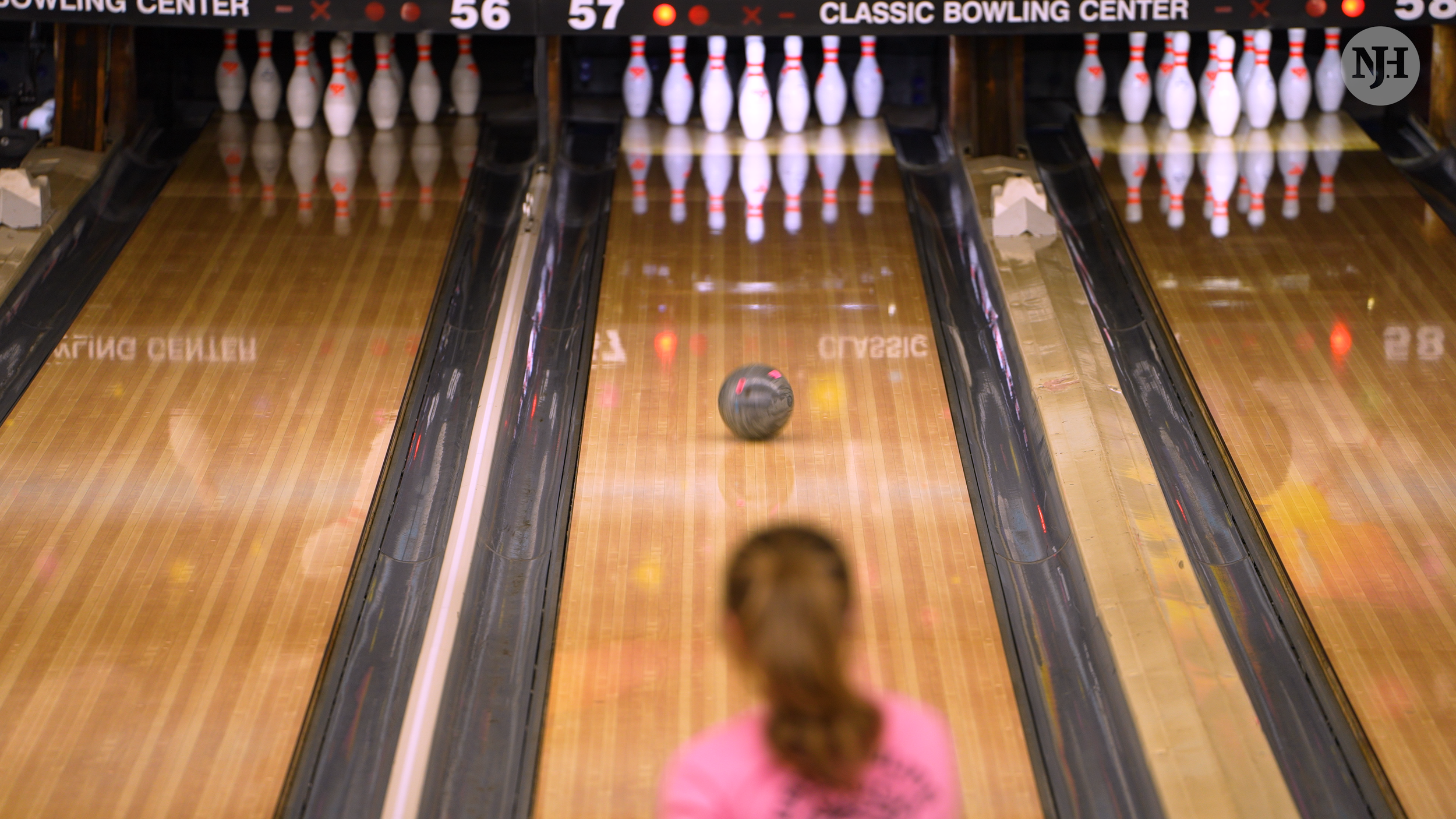
Lane conditions can also be different depending on the location. Before bowling begins, lanes are coated with oil patterns that can affect how the ball travels. The oil reduces friction, causing the ball to slide. As the ball encounters less oil, it gains traction and begins to hook toward the pins. Different oil patterns can change how a lane plays, requiring bowlers to adjust their positioning and targeting wherever they go. This is one reason why experienced bowlers pay close attention to ball reaction. Understanding how the lane is changing can be just as important as throwing the ball accurately.
Every lane has markings that help bowlers line up their shots and make adjustments throughout a game.
The lane includes dots near the foul line and arrows farther down the lane. Experienced bowlers rarely aim directly at the pins. Instead, they use these markers as reference points to improve their consistency. By targeting specific arrows and boards, bowlers can repeat successful shots and identify exactly how to roll their ball.
This is one reason even if you bowl exactly the same way on the same lane, your results may be different. A lane condition that gets high scores one week may challenge even elite players the next. Learning how to read lane conditions and adapt accordingly is a major skill that separates experienced bowlers from beginners. Guides from sources like AMF Bowling and BOWL.com are great for people trying to learn the patterns.
Necessary Bowling Equipment
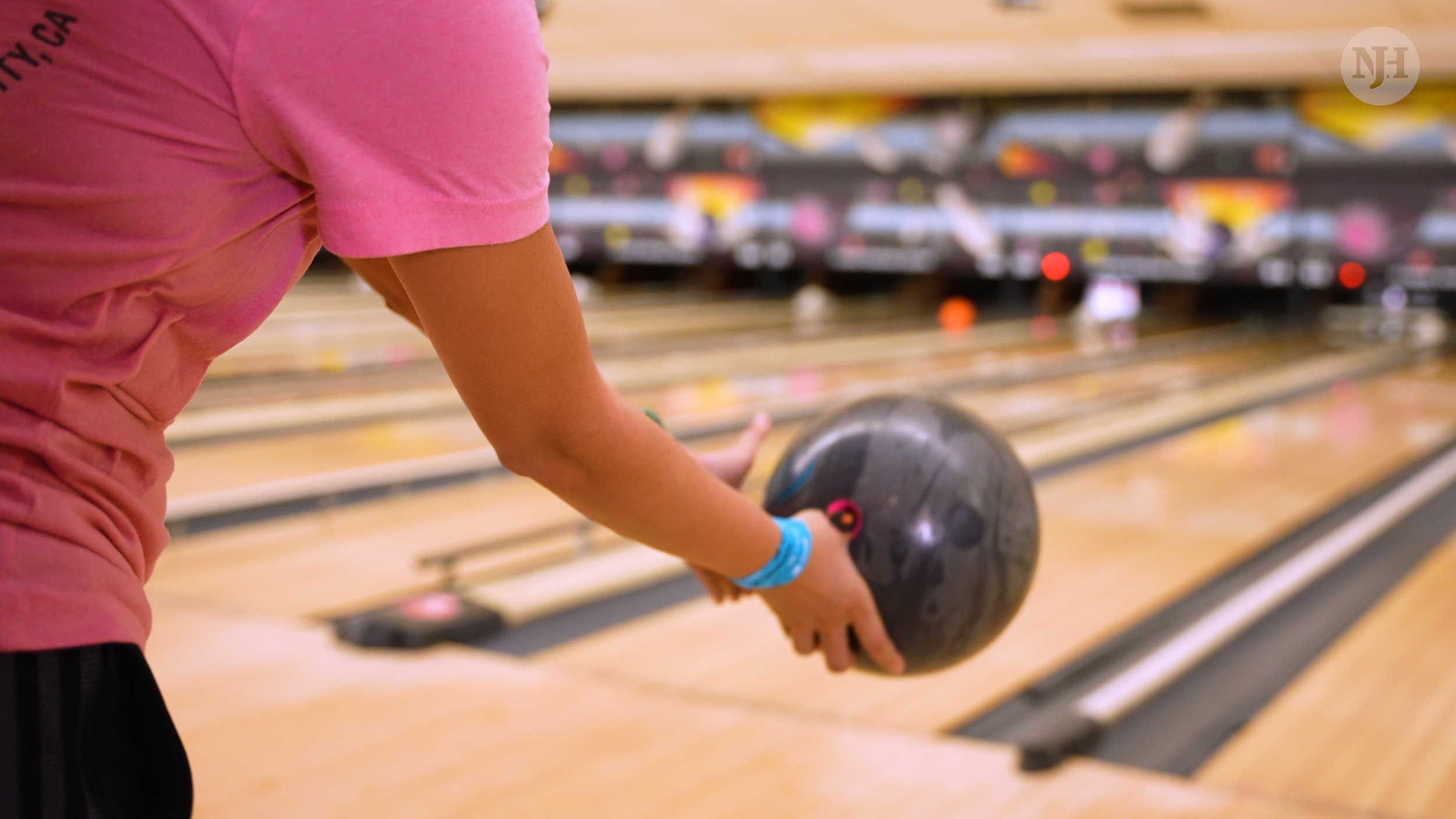
Bowling balls can look identical to the untrained eye. But in reality, bowling balls are highly specialized pieces of equipment designed for different lane conditions and playing styles.
Plastic bowling balls are typically the straightest option and are often used by beginners or for spare shooting. Urethane balls provide more control and smoother motion, while reactive resin balls generate greater friction and stronger hook potential. Competitive bowlers typically carry multiple balls because each reacts differently depending on the lane condition.
The interior construction of a bowling ball is equally important. Modern bowling balls contain weight blocks, known as cores, which influence how the ball rotates and changes direction. Different core designs create distinct motion patterns, allowing bowlers to match equipment to their preferred style and the conditions they encounter.
Finding the right ball is a big step for new bowlers. Bowling can become easier after being properly fitted for a ball that matches your hand size, release, and skill level. Rather than forcing a generic house ball to work, it is recommended that you begin using equipment tailored specifically to your needs.
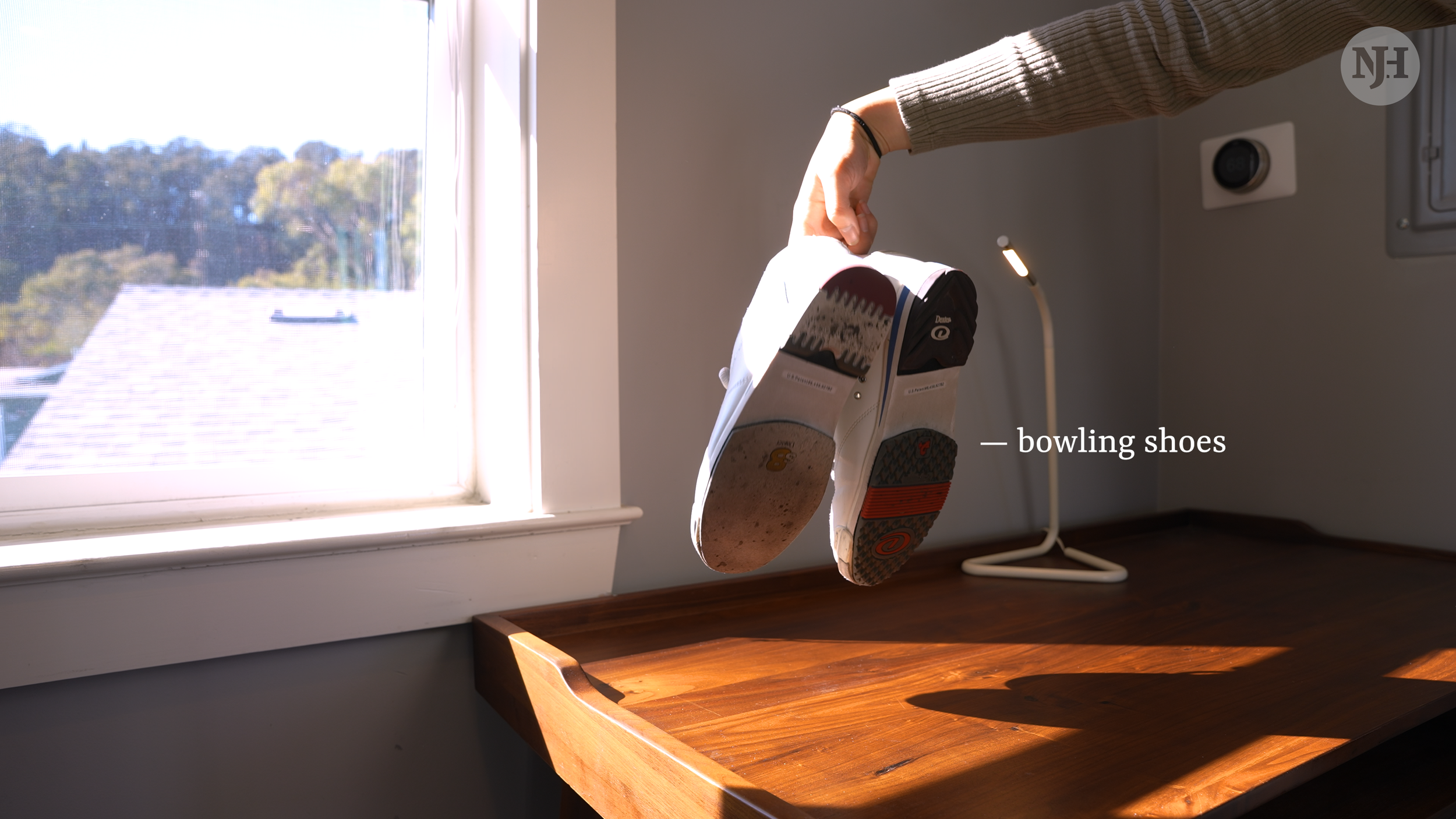
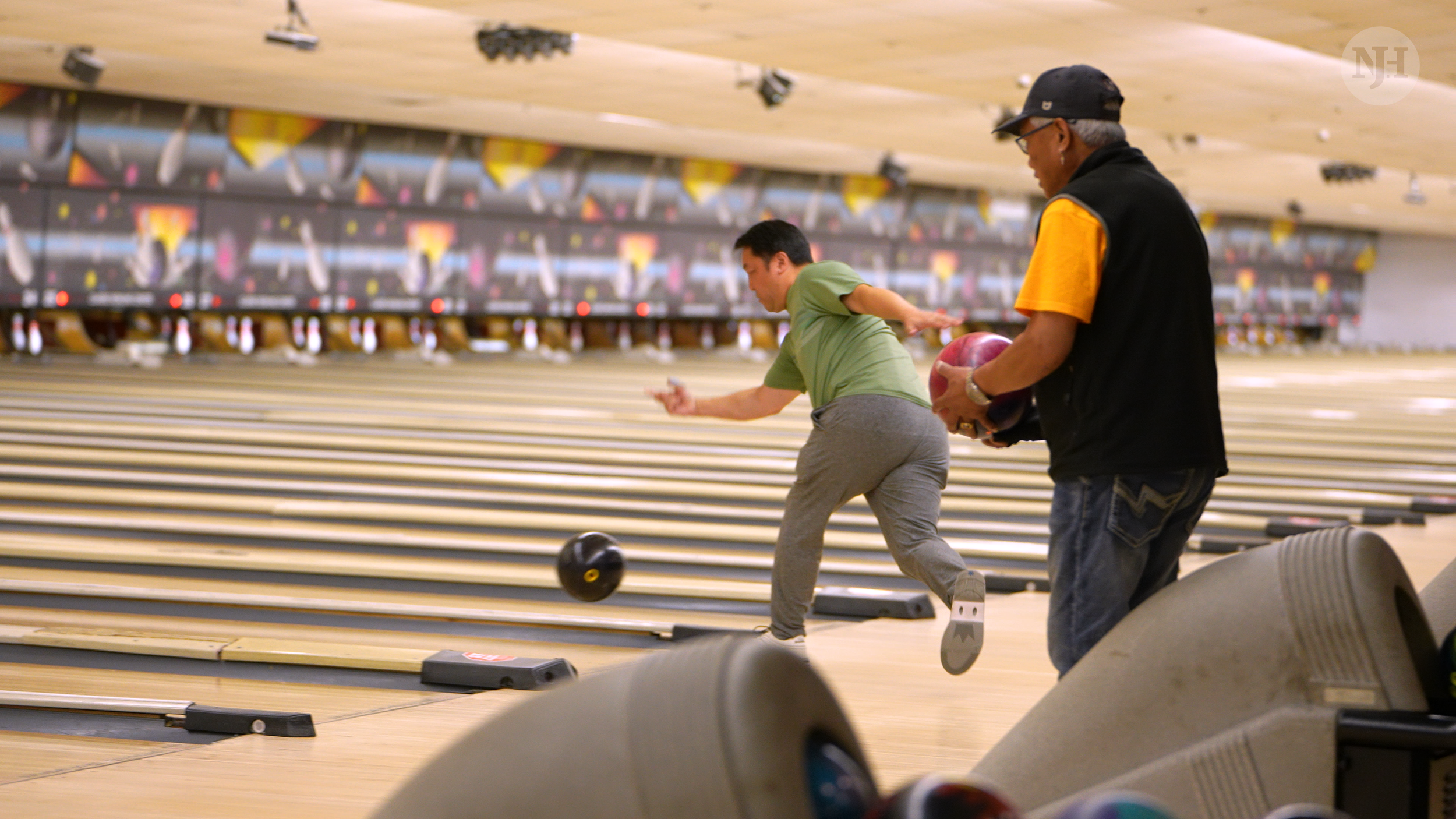
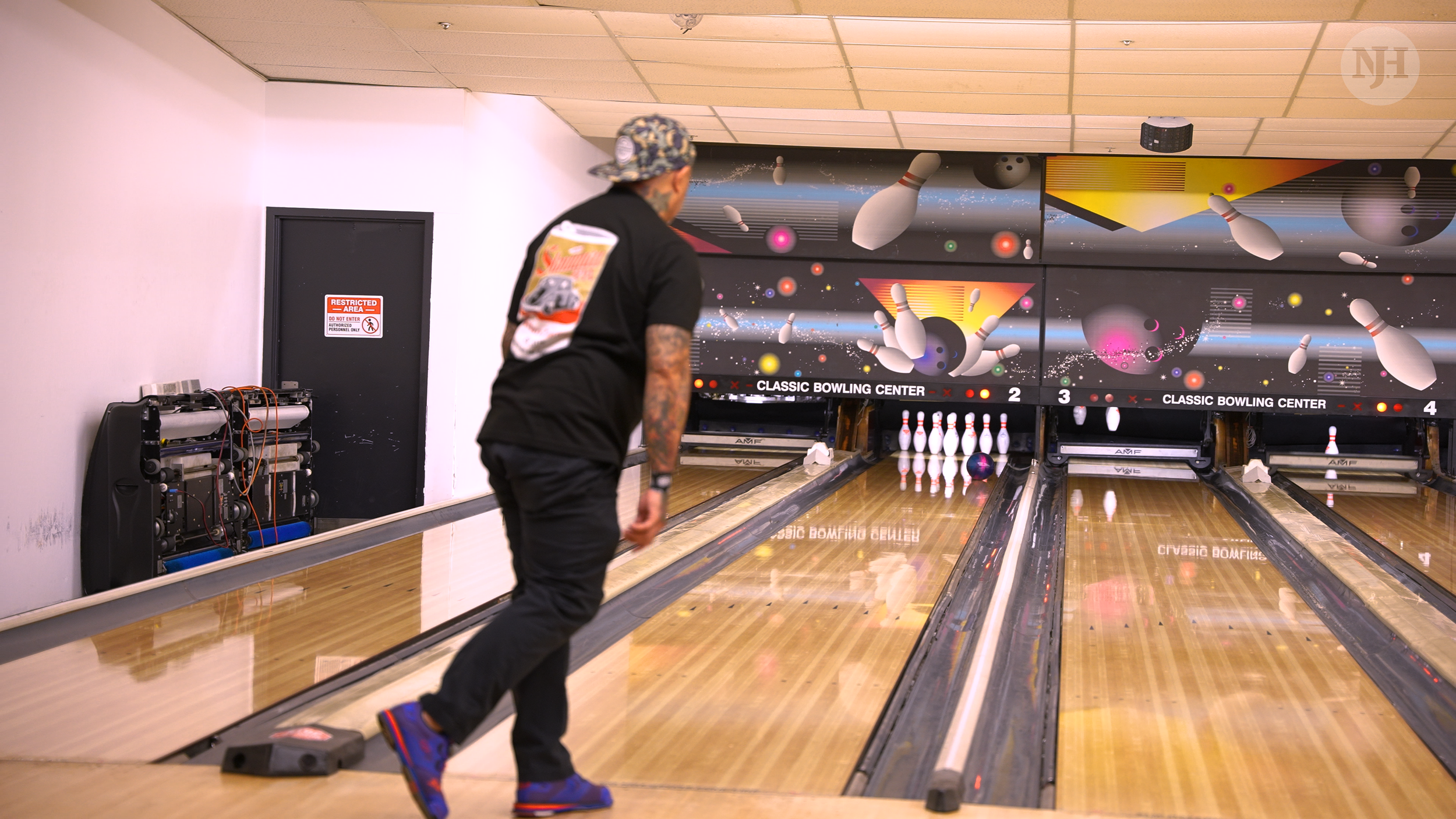
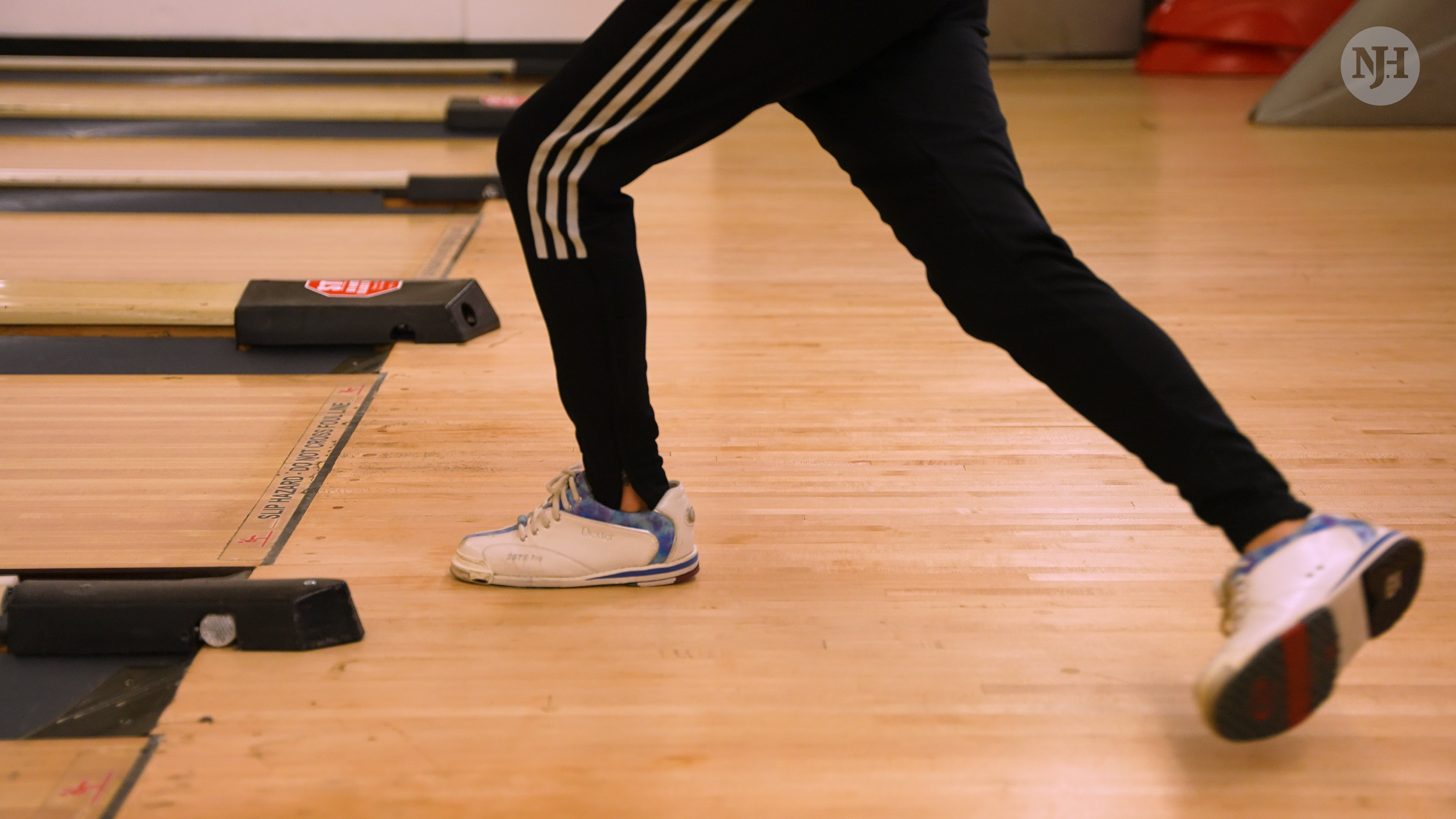
Bowling shoes are another important piece of equipment. Unlike ordinary athletic shoes, bowling shoes are designed to provide controlled sliding during the approach. Consistent footwork is very important for repeatable shots, and proper shoes help bowlers develop reliable steps while protecting the lane surface. Their unique soles are intentionally more slippery than regular shoes, allowing bowlers to slide into their release rather than coming to an abrupt stop.
Bowling Scoring and Strategy
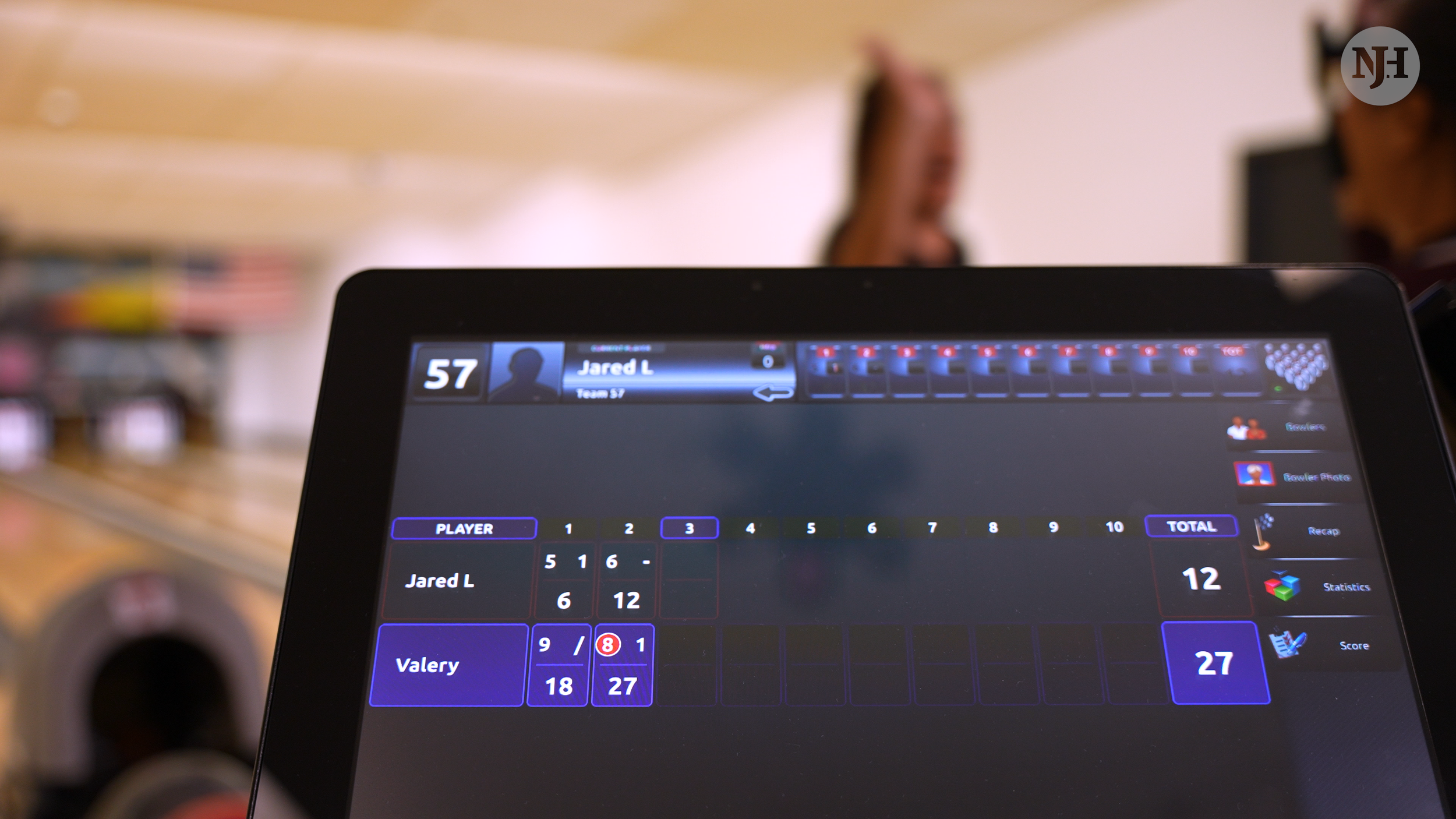
While bowling scoring may seem like simply knocking down as many pins as possible, it is more than that. The scoring system rewards consistency and accuracy far more than raw pin count.
A strike is worth ten pins plus whatever you knock down with your next two shots. A spare is worth ten pins plus your next shot. Because bonus points are added to both, bowlers who can put together multiple strikes in a row often see their scores climb rapidly. This is why a bowler can recover from an early mistake and still get an excellent score by finishing strongly.
Spare shooting – knocking all ten pines in two bowls – is considered the foundation of improvement. While strikes receive the most attention, consistently converting spares leads to lower scores dropping and higher averages over time. Missing a simple spare can be more damaging than failing to throw a strike.
Bowling is also a game of adjustments. Conditions change as games progress because every ball removes or redistributes lane oil. A shot that worked perfectly in the first game may behave differently by the third. Successful bowlers constantly observe ball reaction and make small changes in their throws to compensate.
Decisions involving ball selection, target location, speed, release angle, and positioning all influence the outcome of a shot. What might seem simple from the spectator's perspective can involve dozens of subtle calculations for the bowler.
The Mental Side of Bowling
Bowling is as much a mental challenge as a physical one. Every frame is a new opportunity to recover from previous mistakes or build upon success.
One of the first lessons bowlers learn is that everybody misses. Even experienced league bowlers and professionals throw gutter balls, miss makeable spares, or leave frustrating splits. Sometimes the mistake is obvious, but other times factors like changing lane conditions, oil patterns breaking down, or simple bad luck can influence the result. Learning to accept those moments and focus on the next shot is an important part of developing as a bowler.
Unlike some sports where opportunities are limited, bowling provides fresh chances to improve with each turn. A poor frame can be followed by a strike. A disappointing game can be followed by a personal best. Learning to stay focused and confident despite setbacks is a hugely important skill.
A great way to do this is to develop routines before each shot to improve concentration. Routines can help block distractions, establish consistency, and reduce anxiety during important moments. Whether competing in a tournament or bowling casually with friends, mental discipline can have a big impact on performance.
Bowling Leagues, Teams, and Community
While bowling can definitely be enjoyed alone, leagues are a place where the hobby truly comes alive. Most leagues meet weekly, creating a consistent opportunity for social interaction and friendly competition. Great places to find leagues near you are AMF Bowling, United States Bowling Congress (USBC), and Better Off Bowling
League bowlers come from every background imaginable. Most are not professional athletes or aspiring champions. They are teachers, mechanics, office workers, students, parents, and retirees who enjoy spending an evening with friends while pursuing a shared hobby.
Some leagues even use handicap systems that allow bowlers of varying skill levels to compete together. This helps create balanced competition while encouraging newer participants to join the hobby and improve. A beginner can contribute meaningfully to a team alongside much more experienced players.
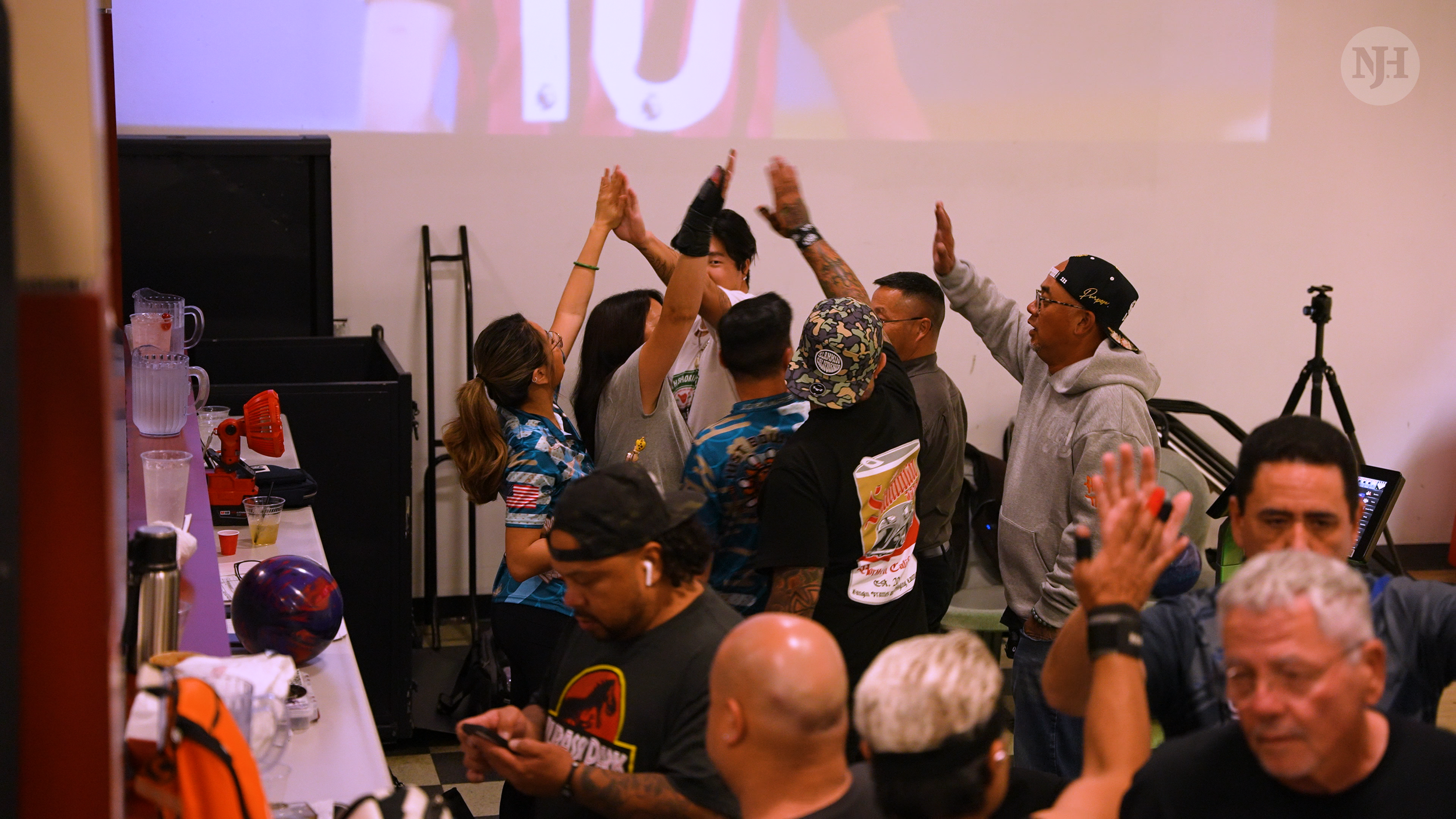
Team bowling adds another layer of strategy and camaraderie. Teammates are able to celebrate strikes, offer advice, and support one another through difficult games. The collective experience often becomes just as important as individual performance.
League night is a great option for a reliable social outlet. In a world where schedules are increasingly busy, having a regular weekly gathering can help you maintain friendships and build a community. For many bowlers, this social aspect is just as valuable as the competition itself.
Tournaments and Competitive Bowling
For those looking for additional challenges, tournaments are amazing opportunities to test skills against a wider field of competitors. Events range from local weekend competitions to national championships featuring some of the sport's best players. Tournament information can be found at Elite Youth Tour, PBA National Tour, BOWL.com, and ABT Bowling.
Competitive bowling can be enjoyed both as an individual sport and as a team activity. Individual tournaments place all responsibility on the bowler's own performance, while team competitions combine scores across multiple players.
Despite the competitive environment, bowling tournaments generally have the supportive culture found in local leagues. Bowlers have the opportunity to share and ask for advice, discuss equipment, and celebrate exceptional performances regardless of who achieves them.
Realities of Bowling
Before investing heavily in equipment or joining multiple leagues, it is important to understand what bowling actually involves. Improvement requires repetition, patience, and a willingness to learn from mistakes. While the basic concept is simple, mastering the game takes time.
Bowling is also more physically demanding than many people expect. Repeating a consistent throw, maintaining balance, and controlling ball speed over several games can be surprisingly taxing. Learning proper technique can help reduce fatigue and prevent injury.
Bowling also rewards people who continually practice. The bowlers who improve the most are usually the ones who continue showing up, playing, and enjoying the process.
The beauty of bowling is that there is always another goal to pursue. Whether it is breaking 100 for the first time, achieving a personal-best series, joining a league, or competing in tournaments, the hobby offers endless opportunities for growth. Combined with its welcoming community and social atmosphere, bowling is one of the most accessible and rewarding hobbies available today.
Useful Links and Resources About Bowling
Discover more hobbies.
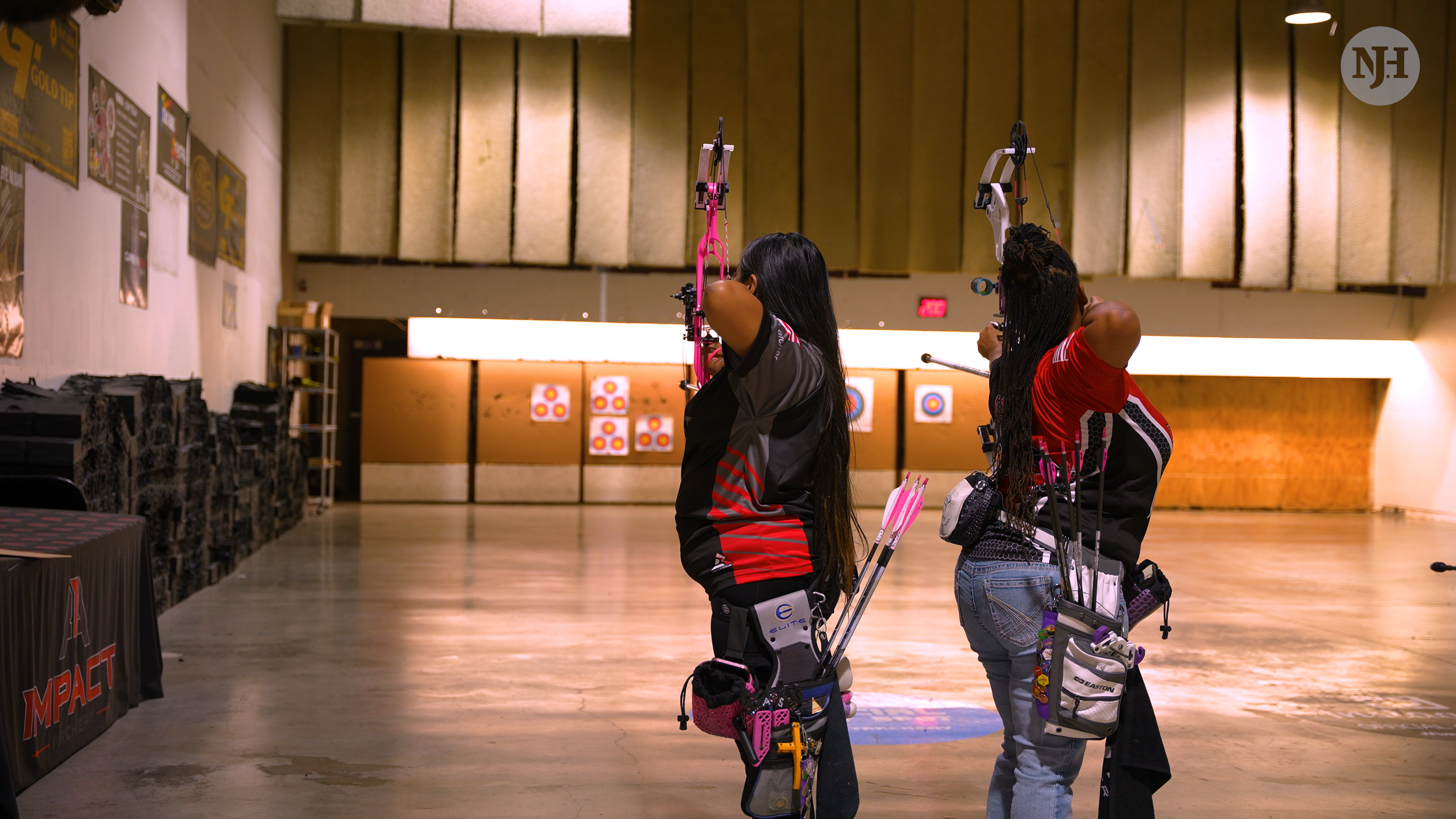
Archery

Speed Puzzling

Roller Skating
Discover more of Valery’s Bowling on Instagram @vietnamesenoodlebowls.